A car trailer is a lifesaver for moving house, garden work or building projects, but it works under heavy loads. Like a car, it wears from the road and simply from age, so the most stressed parts need regular attention.
Wash it, check the brakes, service the coupling, electrics and tyres, then protect the metal from rust. These six steps extend the trailer's life and help it pass inspection.
What you will need
Important: Brake shoes, discs, drums and tyres must stay dry and free of any lubricant. If you are unsure about adjusting the brakes, leave it to a workshop.
Step 1
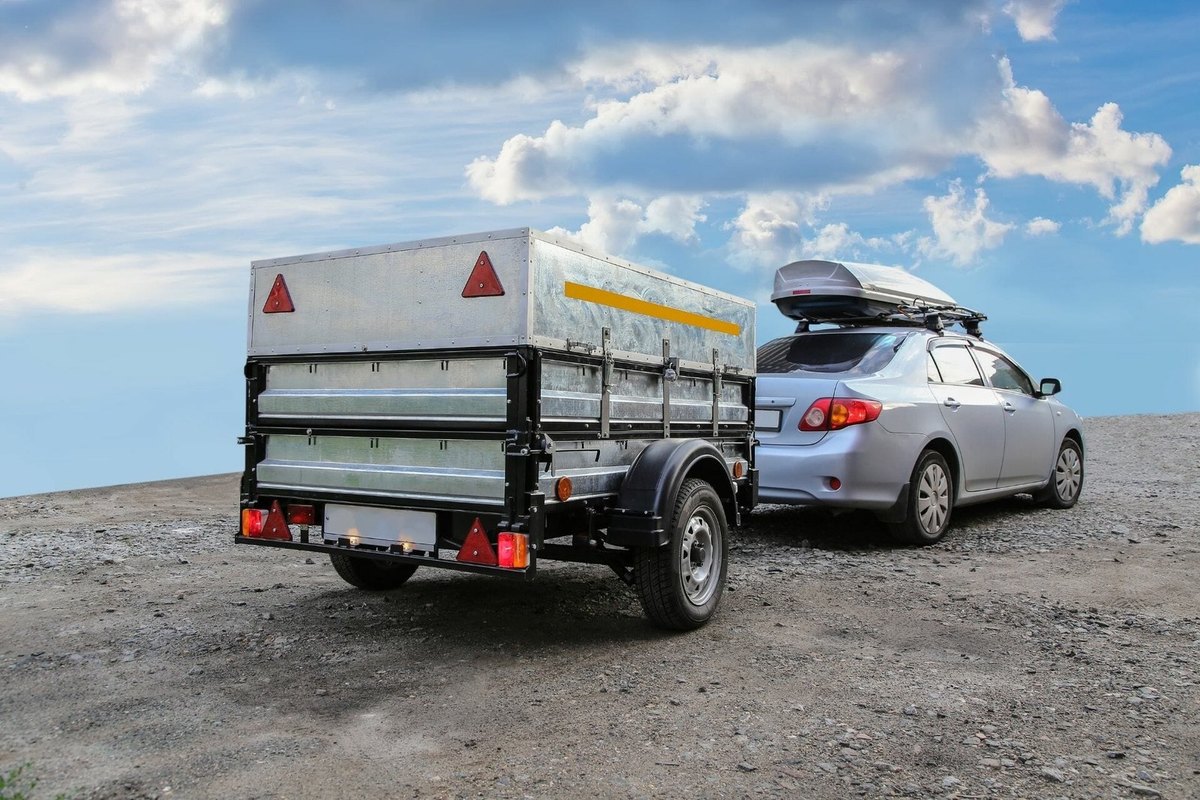
Wash the trailer
Dirt damages metal and paint and hides cracks, so start by washing the trailer with water and car shampoo. In winter, rinse road salt off the frame, springs and mudguards.
Dried tar spots, oil marks and light surface scratches that have not reached the primer are easy to remove with WD-40 Multi-Use: spray, wait a few minutes and wipe with a cloth.
Step 2
Check and adjust the brakes
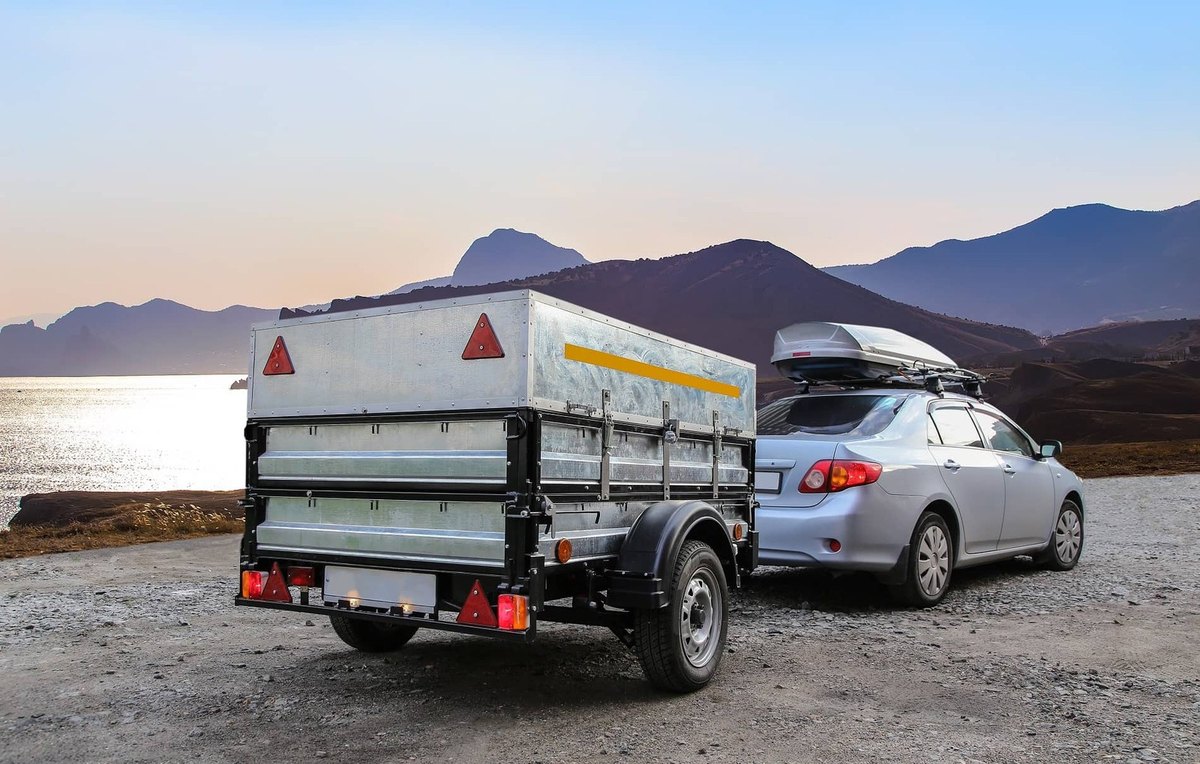
Inspect the brake shoes and replace them if worn. If the shoes sit too far from the drum, use the adjuster to bring them into light contact: when you turn the wheel by hand in the direction of travel you should feel a slight drag. Repeat on every wheel.
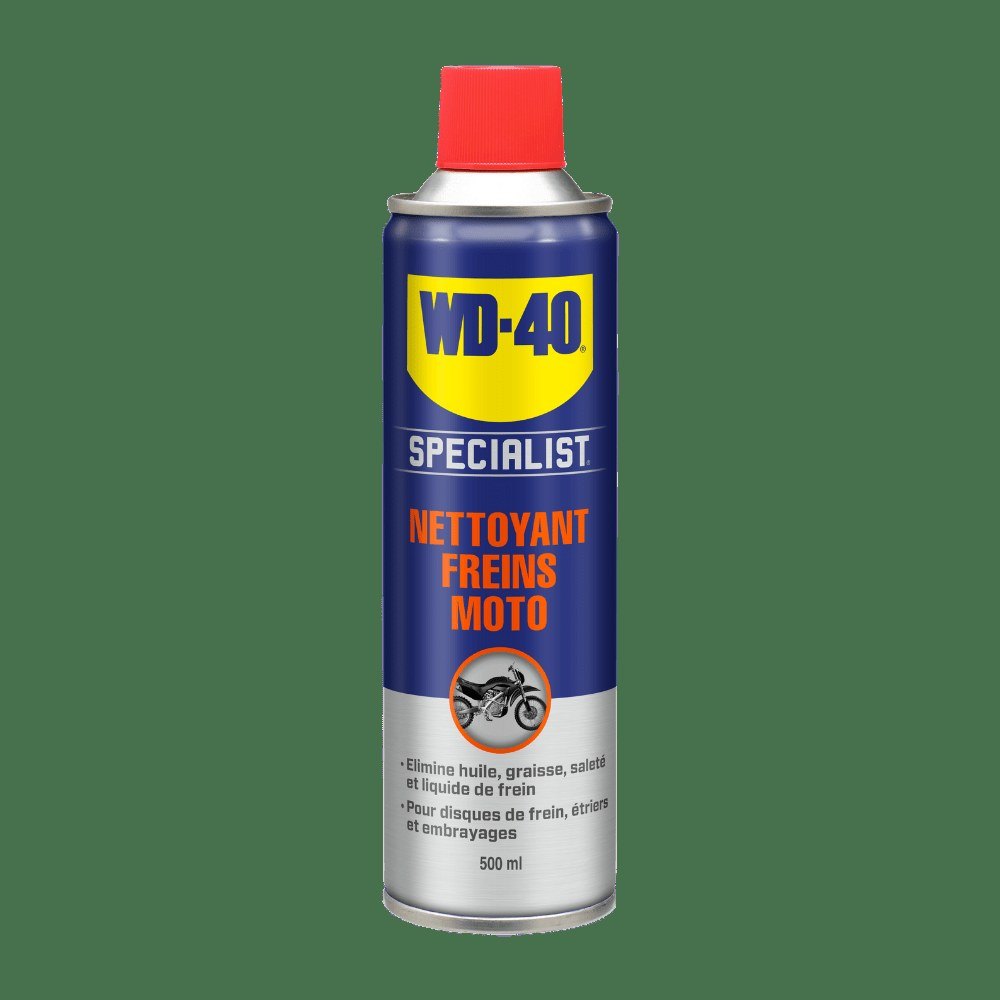
Then pull the handbrake lever several times to centre the shoes and slowly back off the adjuster until the wheels turn freely. Remove brake dust with a brush or a dedicated brake cleaning product, never with a lubricant.
Step 3
Service the overrun coupling
The overrun coupling links the trailer to the tow ball and absorbs shocks from bumps and braking. Pump fresh lithium grease into it through the grease nipples on the body.
Treat the other moving parts, linkages and pivots with WD-40 Specialist White Lithium Grease: it stays put even on vertical surfaces, does not run and reduces friction.
Step 4
Check the electrics
Check every light: side lights, indicators, brake lights and rear fog light. Oxidation on the plug contacts (7 or 13 pin) and in the bulb holders is the most common reason something does not work.
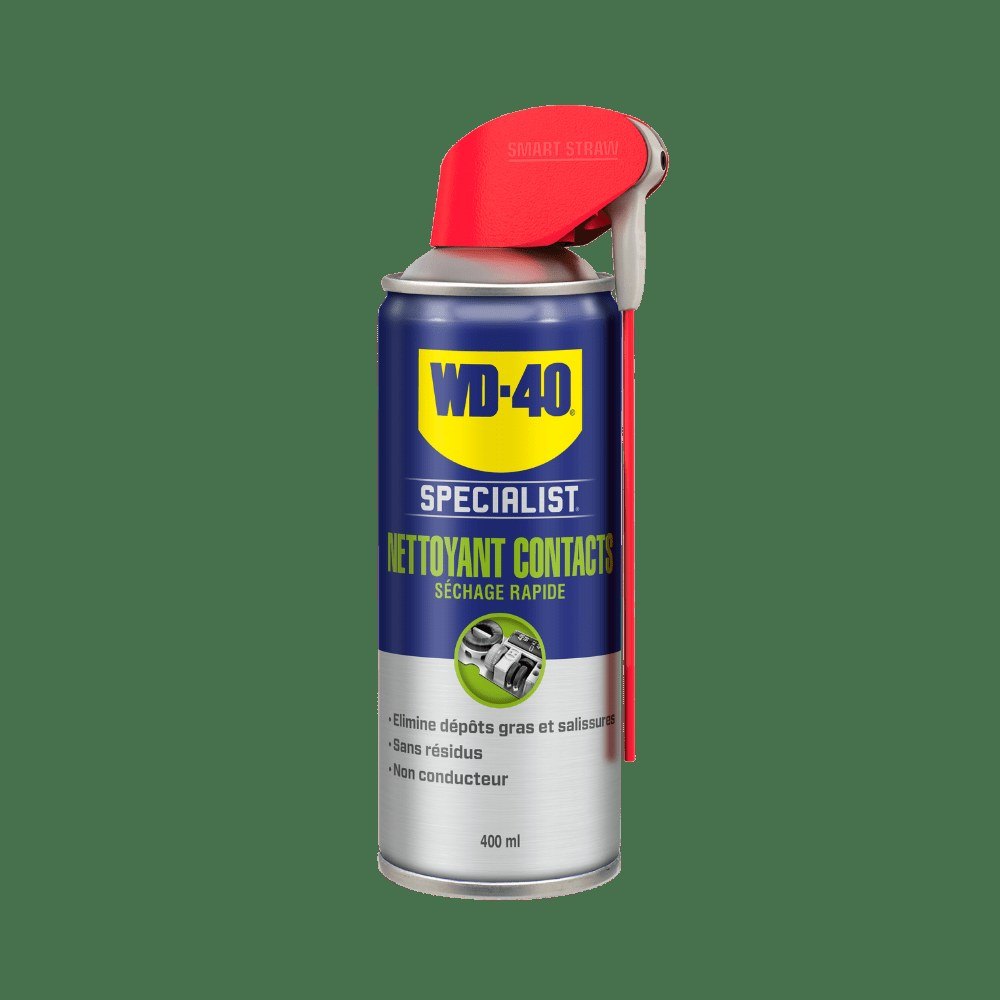
With the trailer disconnected from the car, treat the plug and bulb holders with WD-40 Specialist Contact Cleaner: it removes dirt, dust and oxidation and improves conductivity.
Step 5
Check the wheels and tyres
Before every trip check that the wheel bolts are tight and the tyre pressures are correct, measured cold. Check tread depth with a gauge or the wear indicators. Tyres age even when unused, so look for cracks, cuts, bulges and uneven wear.
Harsh braking and long, fast journeys while overloaded quickly ruin tyres.
Step 6
Protect the trailer from rust
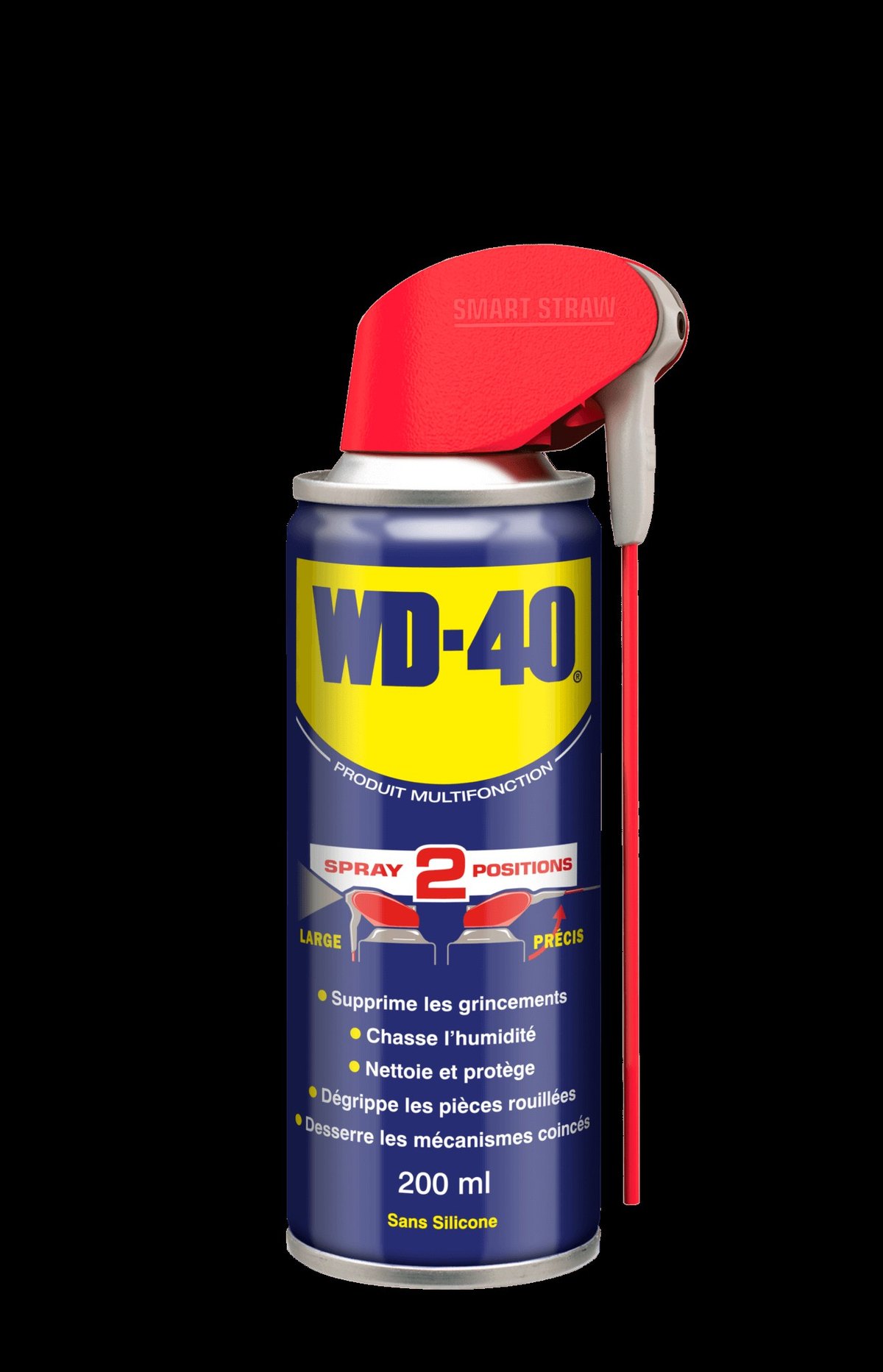
After washing and checking, treat the metal with WD-40 Trigger Pro or WD-40 Multi-Use: frame, bolts, brackets, springs, galvanised and painted parts. Spray, let it work for a few minutes and wipe off the excess. The film repels moisture and dirt.
For storage, leave the handbrake off and, if possible, raise the trailer on stands.
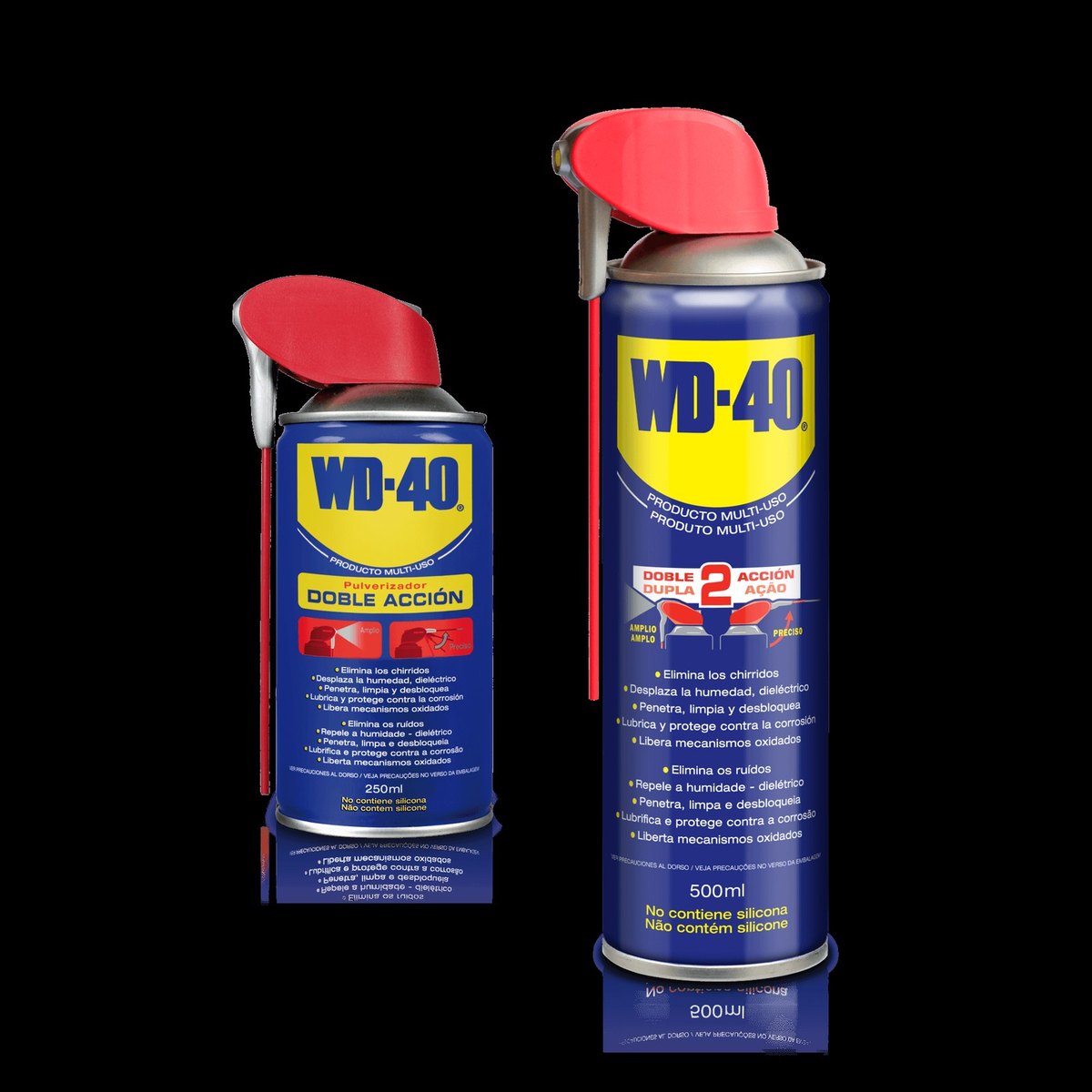
Tip: After winter, rinse the frame with fresh water and spray
WD-40 Multi-Use into welded seams and box sections, where rust starts from the inside.
What next
Check the tyres, lights and wheel bolts before every trip and do a full service twice a year, in spring and autumn. Look after your car's tow hitch too: its ball and socket also need cleaning and protecting.
These uses come from the experience of WD-40 users in many countries. Always follow the instructions and warnings on the product label.
More guides in «How to use».