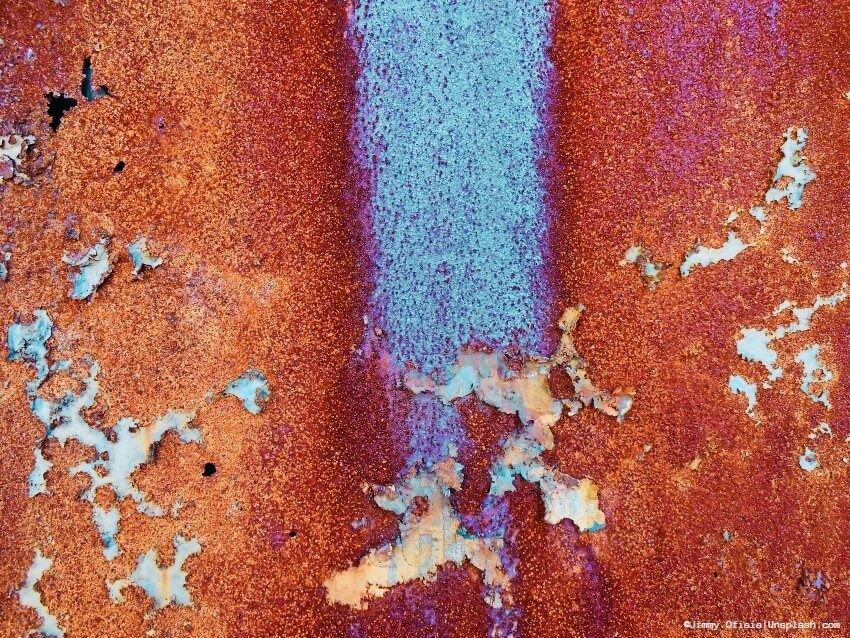
Corrosion happens when three things meet: metal, moisture and an oxidising agent, usually oxygen in the air. Iron turns into a flaky red oxide, which we call rust. It spoils the look, weakens the structure and, once it starts, spreads quickly.
Metal has a hard time in Ukraine: damp springs and autumns, temperature swings that cause condensation and road salt near roads and car parks in winter. Below are the ways to protect it, from design choices to everyday care in the workshop or garage.
What you will need
Important: Only apply a coating to clean, dry and degreased metal. Wear eye protection and a dust mask when sanding rust, and paint in a well ventilated area.
Step 1
Choose a resistant material
The simplest protection starts with the choice of material. For parts that work in constant moisture, stainless steel, aluminium or galvanised steel are a better choice: they corrode far more slowly than ordinary mild steel.
Step 2
Apply a barrier coating
Paint separates metal from water and air and interrupts the electrochemical process. Apply an anti-corrosion primer and then two coats of metal paint. For production parts, powder coating is very effective: dry polymer powder is sprayed onto the metal and baked into an even, tough film.
Step 3
Use a protective metal layer
Steel can be coated with another metal. Galvanising works as sacrificial protection: zinc is more reactive than iron and oxidises first, protecting the steel even at scratches. Tin or chrome plating, by contrast, resists corrosion itself and protects as long as the layer is intact. Large structures may also use cathodic protection.
Step 4
Control the environment
Less moisture means slower corrosion. Keep metal and tools under cover and off concrete floors, and ventilate stores and garages to avoid condensation. After working on roads that are salted in winter, rinse parts with clean water and dry them.
Step 5
Apply a corrosion inhibitor
On bare metal that cannot be painted, such as tools, threads, mechanisms and spare parts, use a product that displaces moisture and leaves a protective film. WD-40 Multi-Use gets into micro pores, pushes water out and slows oxidation. For machines, racking and large surfaces the WD-40 Trigger Pro is more convenient, and in a workshop it is more economical to refill a sprayer from the WD-40 5 l can.
For long-term storage of parts in a warehouse or outdoors, where a more durable layer is needed, WD-40 Specialist Corrosion Inhibitor is available on request.
Step 6
Inspect and maintain regularly
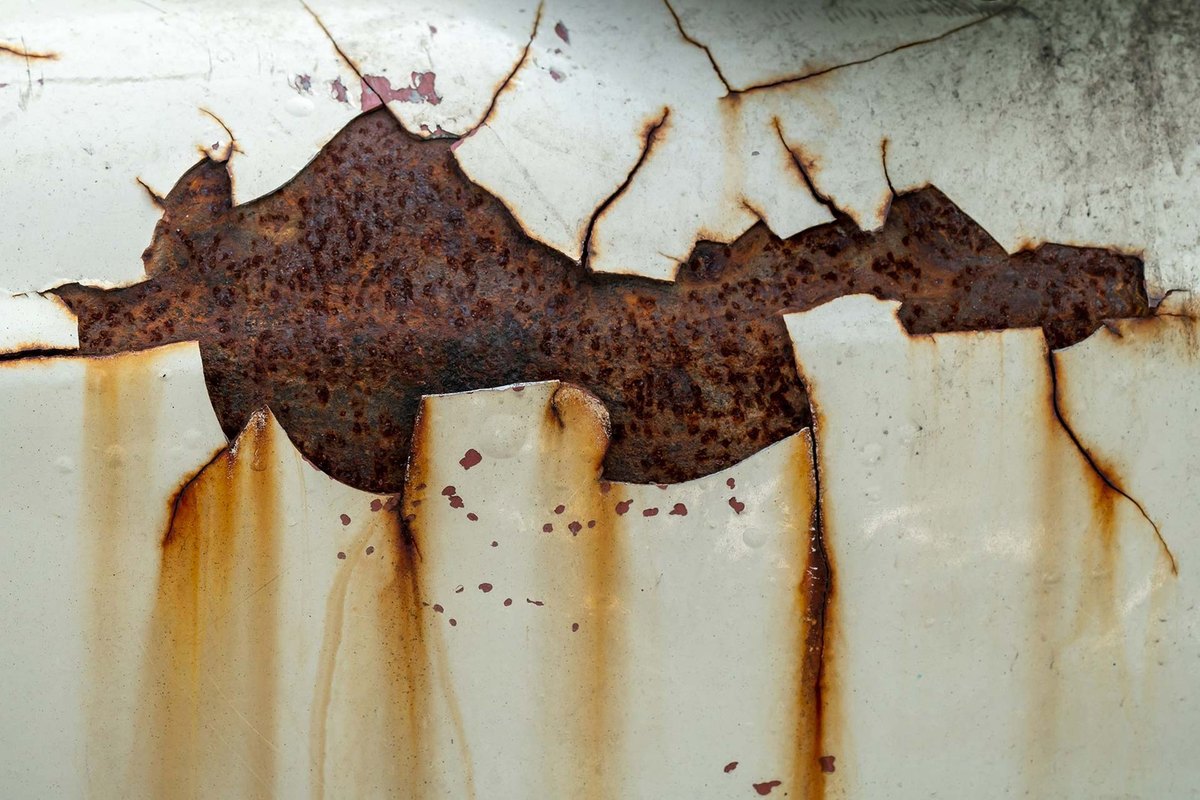
Check metal at least once a season for scratches, chipped paint and orange bloom in seams and welds. Brush a small spot clean, wipe it and treat it straight away before the rust goes deeper. Lubricate hinges, pivots and slides with WD-40 Specialist White Lithium Grease: the thick grease stays put and is not washed off by rain.
Tip: Reapply the moisture-displacing film more often where metal meets water, salt or condensation: every few weeks in an unheated garage during autumn and winter, every few months indoors in dry conditions.
What next
A combination works best: the right material, an intact coating, dry storage and regular treatment of bare metal with WD-40 Multi-Use. That way equipment and structures last for years without costly repairs.
These uses come from the experience of WD-40 users in many countries. Always follow the instructions and warnings on the product label.
More guides in «How to use».