Glue ends up on tiles in different ways: tile adhesive left after renovation, a drop of superglue during a small repair, a sticky mark from a hook or label. Once it has dried, soapy water will not shift it, yet heavy-handed methods can ruin the glaze.
Work from the gentlest method up: mechanical first, then a solvent, and soften thick residue with heat. For sticky marks left by tape, labels and adhesive hooks, WD-40 Multi-Use does the job nicely.
What you will need
- Cloths and a sponge
- Liquid soap
- Ceramic hob scraper, utility knife, putty knife
- Acetone, white spirit or rubbing alcohol
- Hairdryer or heat gun
- WD-40 Multi-Use or WD-40 Smart Straw for precise application
- Rubber gloves
Important: Acetone and white spirit are flammable and have strong fumes: ventilate the room, wear gloves and keep away from naked flames. Keep solvents off acrylic baths, shower trays and varnished surfaces. Always test any product on a hidden area first.
Step 1
Prepare and degrease the surface
Wipe the tiles with a damp cloth to remove dust. If they are greasy, as in a kitchen, wash them with a sponge and liquid soap and let them dry. On a clean surface you can see the edges of the glue better, and the scraper will not slide on grease.
Step 2
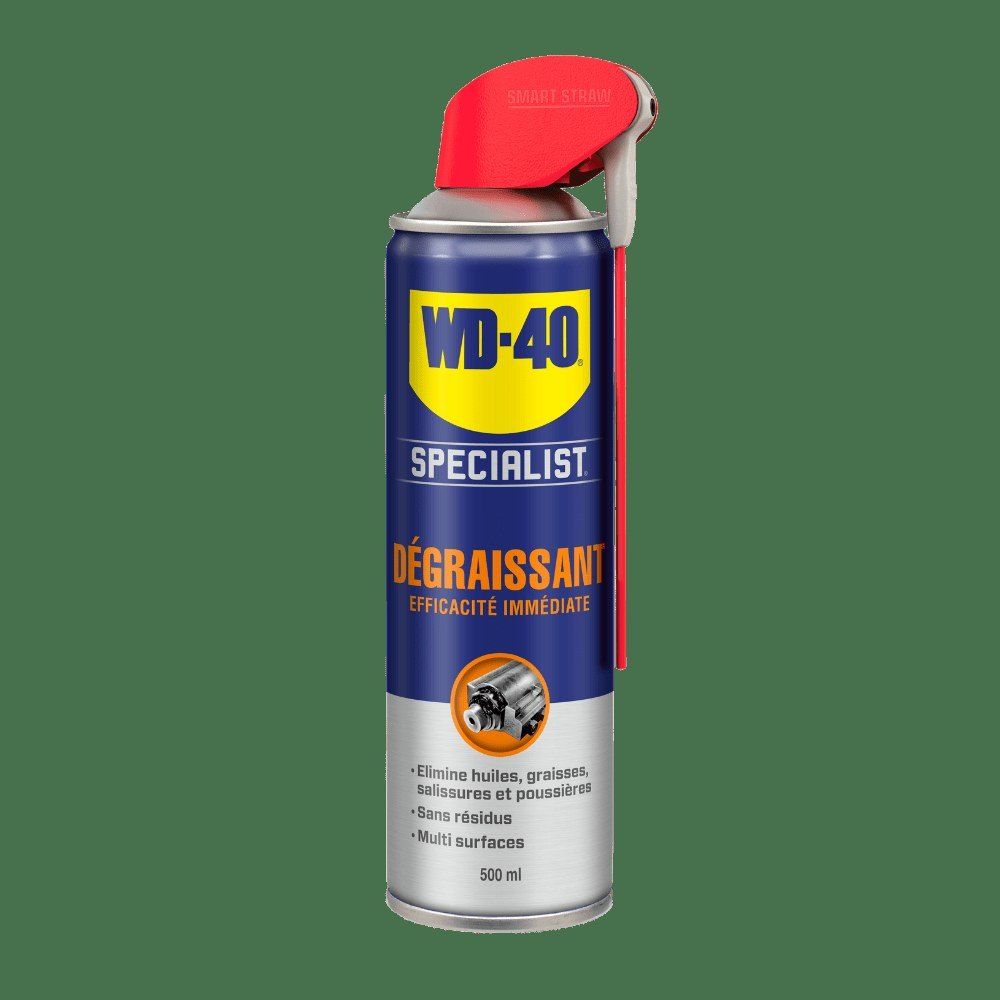
Scrape off tile adhesive
Tile adhesive or cement-based residue is easiest to remove with a ceramic hob scraper held at a shallow angle to the glaze. If it resists, carefully cut under it with a utility knife blade. Remove thick lumps with a putty knife after wetting them with water.
Take extra care on matt and textured tiles, as a blade can easily leave marks.
Step 3
Dissolve strong glue
Superglue, contact and neoprene adhesives are risky to scrape. Dampen a cloth with acetone, white spirit or alcohol, rub the spot and rinse with clean water straight away.
On porous tiles the solvent works more slowly: lay a soaked cloth over the glue, weigh it down and leave it for a few hours to soften. Then wipe, rinse and dry.
Step 4
Soften thick residue with heat
If the glue layer is thick, warm it with a hairdryer or a heat gun on a moderate setting. Keep the airflow moving so the tile does not crack from uneven heating. Lift the softened glue with a putty knife and wipe with a solvent-dampened cloth.
Step 5
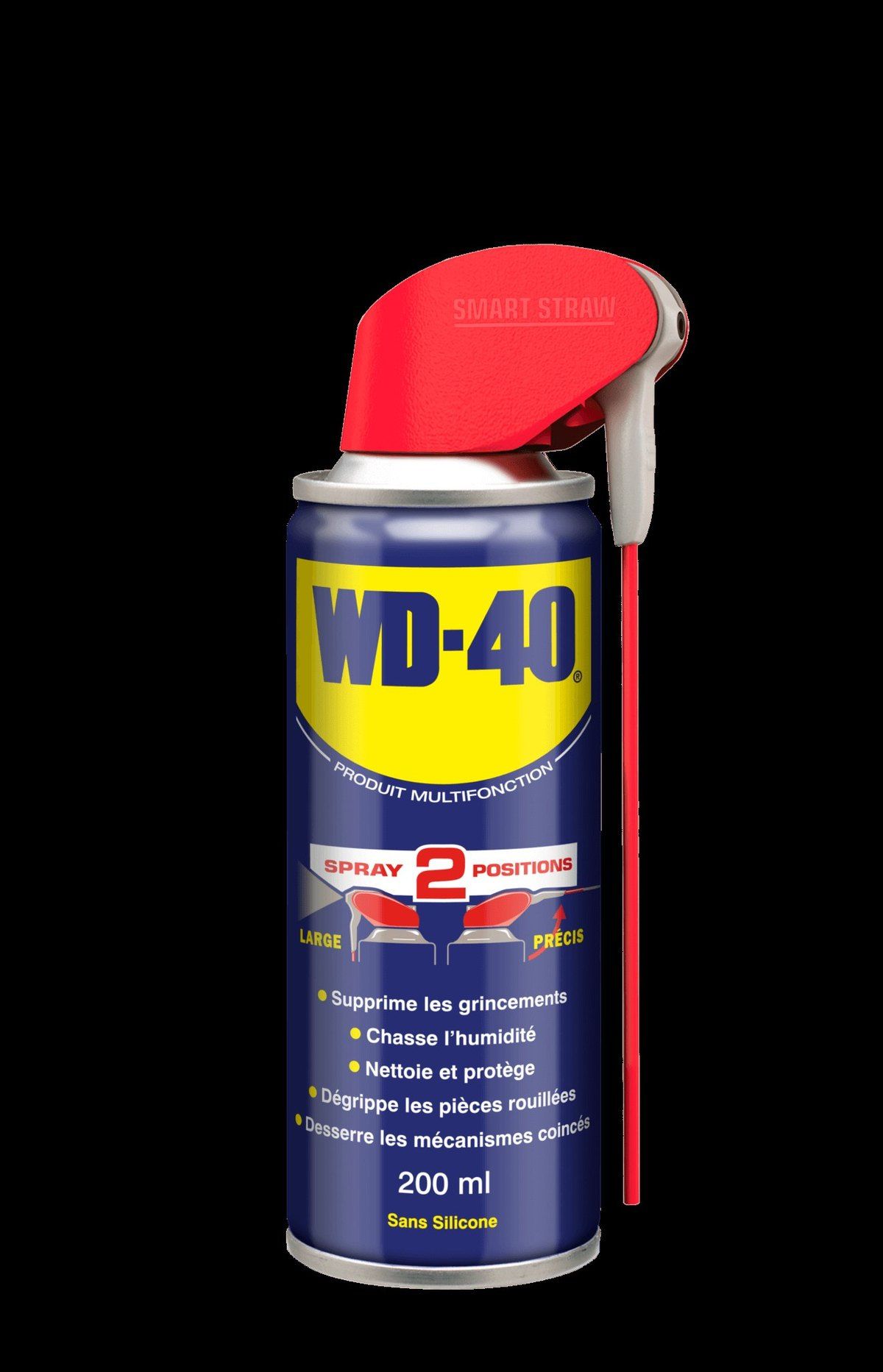
Clean sticky marks with WD-40
Tape, labels, adhesive hooks and bath mats leave a tacky film on tiles. Spray WD-40 Multi-Use onto it, wait a minute and wipe with a cloth: it dissolves the sticky layer without harming the glaze. For corners and along grout lines use the straw of WD-40 Smart Straw.
Finish by washing the tiles with soapy water and drying them so no oily film remains. This is especially important on floors, which would otherwise be slippery.
Tip: Wipe fresh tile adhesive off with a damp sponge as you work: after a day it hardens and the job becomes many times harder.
What next
Keep WD-40 Multi-Use in the cupboard: it is handy for removing labels from new tiles or mirrors, cleaning off tape marks and lubricating the hinges of a bathroom cabinet.
These uses come from the experience of WD-40 users in many countries. Always follow the instructions and warnings on the product label.
More guides in «How to use».