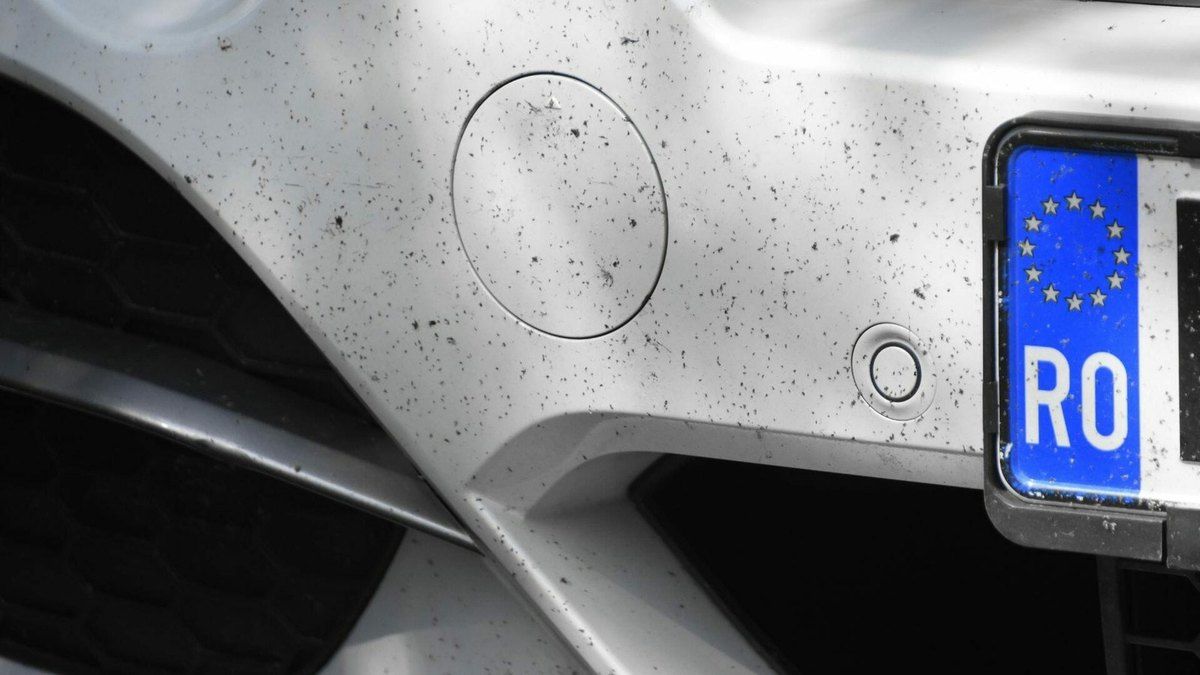
After a holiday or a long motorway drive, the front grille, bumper and number plate end up covered in a solid layer of insects. In summer, especially in the south and along open fields, there are plenty of them. If you do not wash them off quickly, the remains dry, bond to plastic and paint, and their acids leave marks.
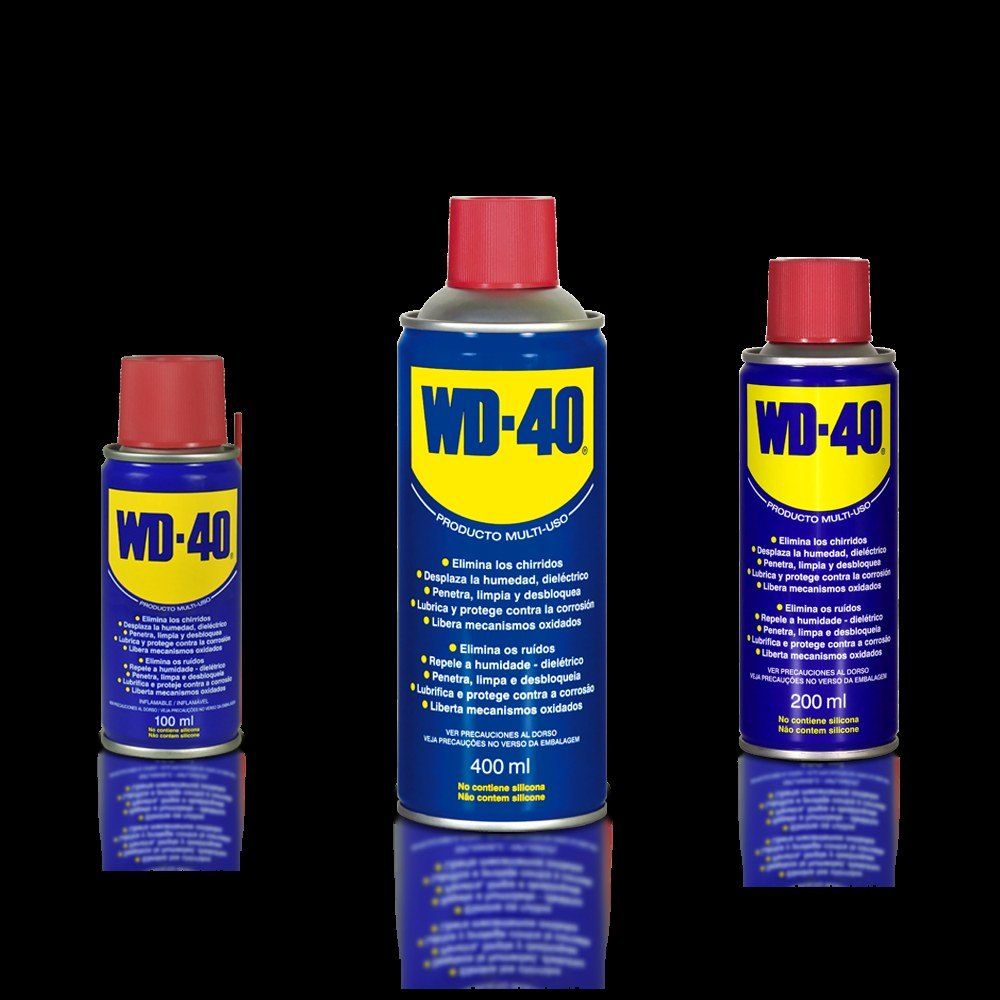
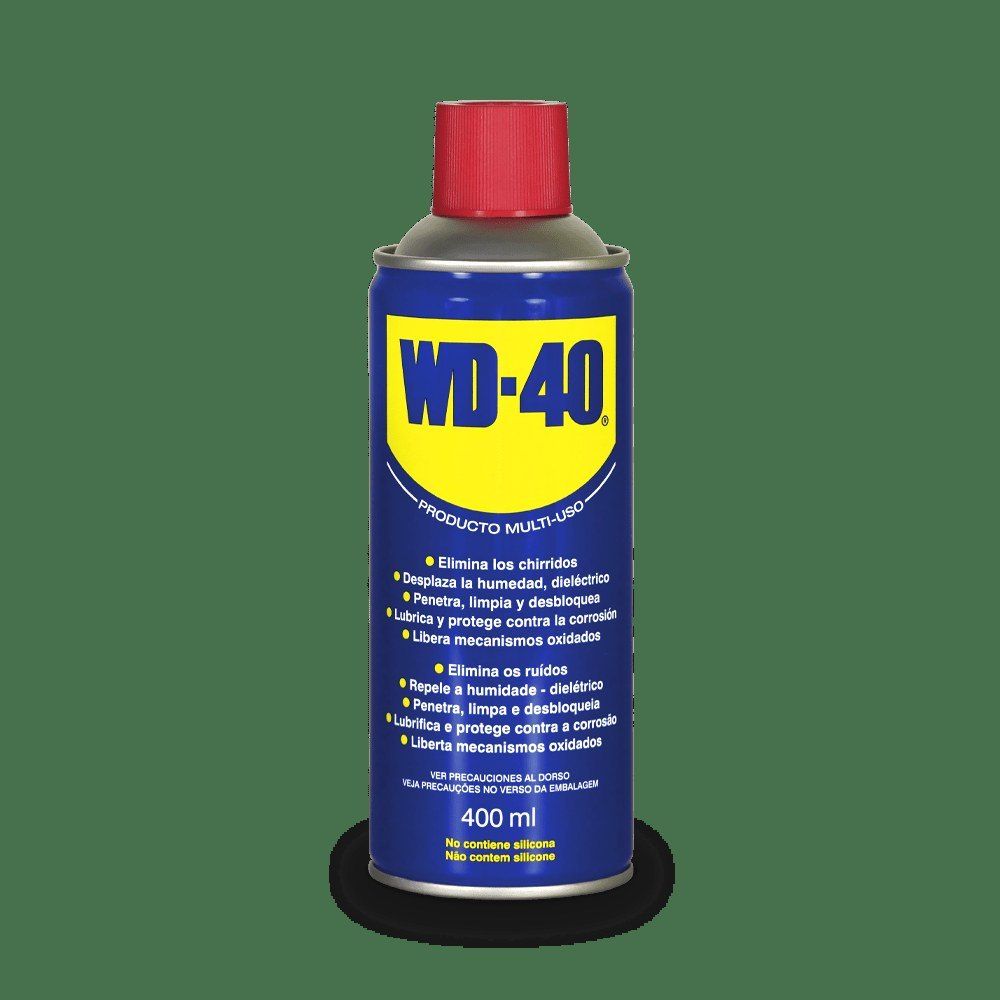
Never scrub dried insects off dry, as you can easily scratch the surface. It is far easier to soften them with WD-40 Multi-Use: within a few minutes the dirt comes away with a soft cloth.
What you will need
Important: Work with a cold engine and in the shade. Treat only the grille, bumper and number plate: do not spray deep into the radiator fins, onto brake discs, tyres or the windscreen in the wiper area. Test chrome and gloss black trims on a hidden spot first.
Step 1
Do not let insects build up
The easiest approach is to clean the grille regularly rather than leaving dirt for weeks. Insect remains baked on by the sun work into the fine pores of plastic and paint and get harder to remove over time.
After a long motorway trip, wash the front of the car within two days. On the road, a couple of minutes at a fuel stop are enough to wipe fresh insects off the number plate and headlights.
Step 2
Apply WD-40 to the grille
Spray WD-40 Multi-Use onto the grille, bumper and number plate wherever the insects are thickest. To reach between narrow grille slats and into honeycomb inserts, use a fine jet through the straw of WD-40 Smart Straw.
Leave it for a few minutes. In that time it softens the dried remains and loosens their grip on the surface.
Step 3
Wipe the insects off with a soft cloth
Gently wipe the grille with a soft microfibre cloth in small circular motions until the surface is clean. Turn the cloth often so you do not drag dirt around. If some remains still cling on, apply a little more and wait a bit longer rather than rubbing harder.
Step 4
Wash the car
Once the grille is clean, wash the whole car with warm water and car shampoo using a soft sponge or cloth. This removes the last of the insects, the oily film and road dust. Rinse and dry with microfibre to avoid streaks. For a fleet of vehicles, WD-40 Trigger Pro with its trigger sprayer speeds the job up.
Step 5
Apply wax for protection
When the car is completely dry, apply car wax or polish to the bumper and painted parts in the usual way. The protective layer makes it harder for insects to stick, so next time the front end will clean up much more easily.
Tip: Before a long summer drive, apply fresh wax to the front bumper and bonnet: bugs will then come off the smooth layer with an ordinary wash.
What next
Throughout the season, clean the front of the car after every long trip. In autumn, the same WD-40 Multi-Use will help protect locks, hinges and battery terminals from moisture before winter.
These uses come from the experience of WD-40 users in many countries. Always follow the instructions and warnings on the product label.
More guides in «How to use».