Wood-burning stoves and fireplace inserts are back in everyday use: at the summer house, in private homes, in garages or as a backup during power cuts. In summer the stove sits idle, condensation forms on cold cast iron and steel, and by autumn orange patches appear on the body, the grate and the doors.
Rust does not just look bad; it slowly eats the metal. The best time to clean a stove is at the end of the heating season, leaving only a check and touch-up for autumn.
What you will need
- wire brush and soot brush, ash shovel or ash vacuum
- warm water with liquid soap, abrasive sponge
- fine abrasive paper
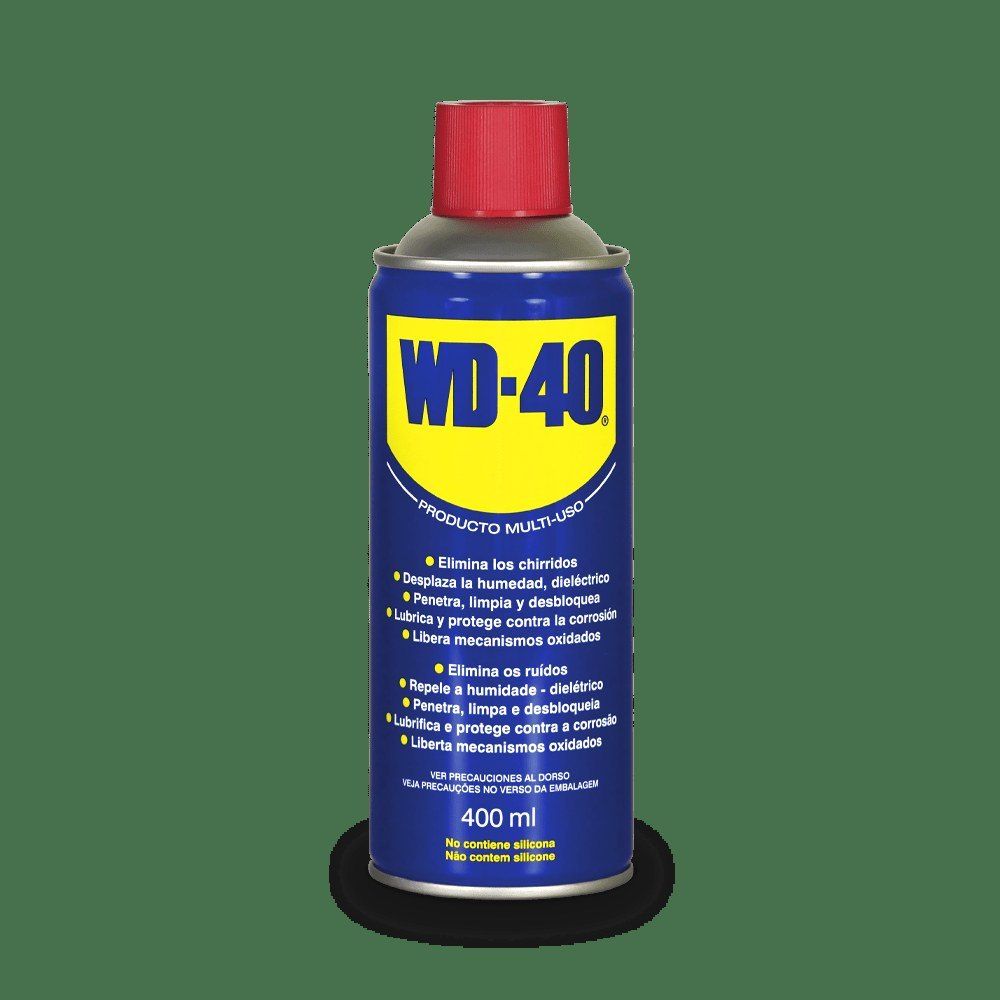
- WD-40 Multi-Use
- heat-resistant stove paint or stove blacking paste
- gloves, safety glasses, dust mask
Important: WD-40 is flammable. Work only on a completely cold stove, never spray inside the firebox, wipe off all excess thoroughly and ventilate the room before the first fire. Treat nothing while there are still embers in the stove.
Step 1
Clean out the firebox and ash pan
Empty ash from the pan and grate, and at least every two months during the season wash the ash pan out completely. Brush soot from the firebox and flue ways or use a dedicated ash vacuum.
At the end of winter take down and clean the flue pipes. Do not leave deposits over summer: moisture and soot form an acid that attacks the metal.
Step 2
Wash the outer surfaces
First check what the stove is made of: cast iron, painted steel, enamel or tiles, as cleaning differs. Wash grease and dirt off the body and hotplate with warm water, liquid soap and a sponge that will not scratch the finish.
Dry thoroughly so no water stays in the seams.
Step 3
Remove rust from the metal parts
Apply WD-40 Multi-Use to rusty areas on the body, doors, grate and outer surface of the hotplate and wait a few minutes for it to work under the rust.
Scrub with the wire brush to lift loose rust and repeat if needed. Sand deeper corrosion back to sound metal with fine paper. Always wipe off all remaining product thoroughly with a dry cloth.
Step 4
Restore the finish
Degrease the cleaned metal and coat it with heat-resistant stove paint or blacking paste as the manufacturer advises. Ordinary enamel will blister in the heat.
Touch up chipped enamel panels only with heat-resistant enamel, and fill fine cracks in tiles with heat-resistant stove cement.
Step 5
Look after mechanisms and tools
After cleaning, treat door hinges, latches, the damper and handles with WD-40 Smart Straw through its thin straw, then open and close them several times. Wipe off the excess.
Clean the poker, shovel and tongs of rust the same way and leave a thin protective film on them over summer.
Tip: Over summer leave the firebox door and damper slightly open: air circulates, condensation does not linger and there is far less rust inside the stove by autumn.
What next
Check the stove before each season and clean it after. Wipe metal tools and external fittings with lubricant every few months. For a small cottage stove, a compact WD-40 200 ml is enough. Brick and asbestos cement chimneys must be swept by a professional.
These uses come from the experience of WD-40 users in many countries. Always follow the instructions and warnings on the product label.
More guides in «How to use».