Black streaks on tiled floors come from rubber soles, furniture legs, suitcase and toy wheels, and stepladders. It looks as if the glaze is scratched, but most of the time it is just rubber or metal transferred onto the surface, which can be removed without sanding.
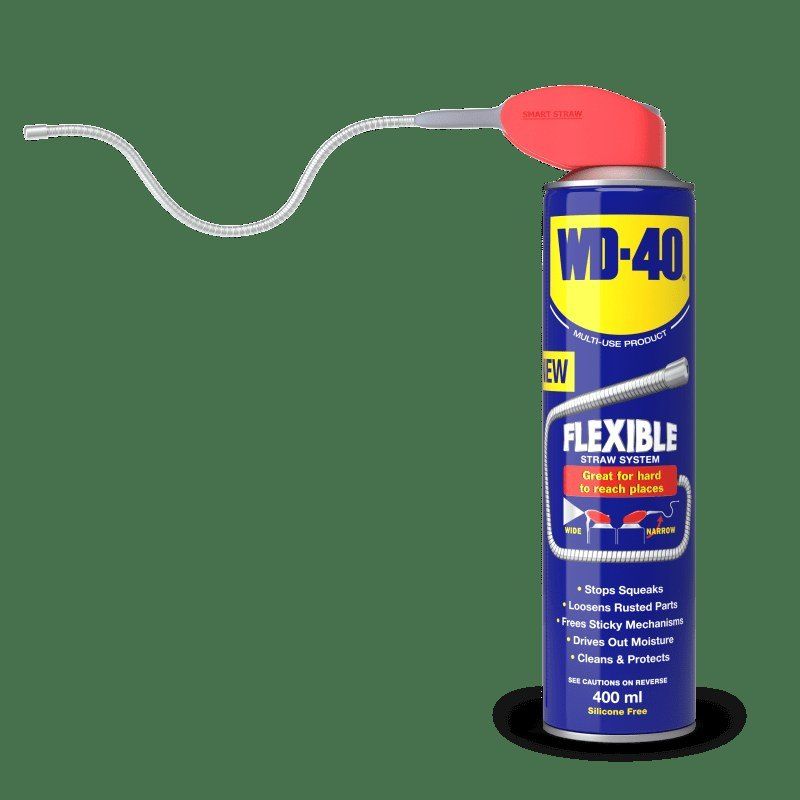
Start with the gentlest methods: rubber against rubber, then mild pastes, and for stubborn marks use WD-40 Multi-Use, which dissolves rubber residue without harming the glaze. Genuine deep chips cannot be removed this way and need a repair pen or a replacement tile.
What you will need
- A standard pencil eraser
- An old trainer with a rubber sole, or a tennis ball and a mop handle
- Baking soda and warm water
- White non-gel toothpaste without grains
- Soft cloths and paper towels
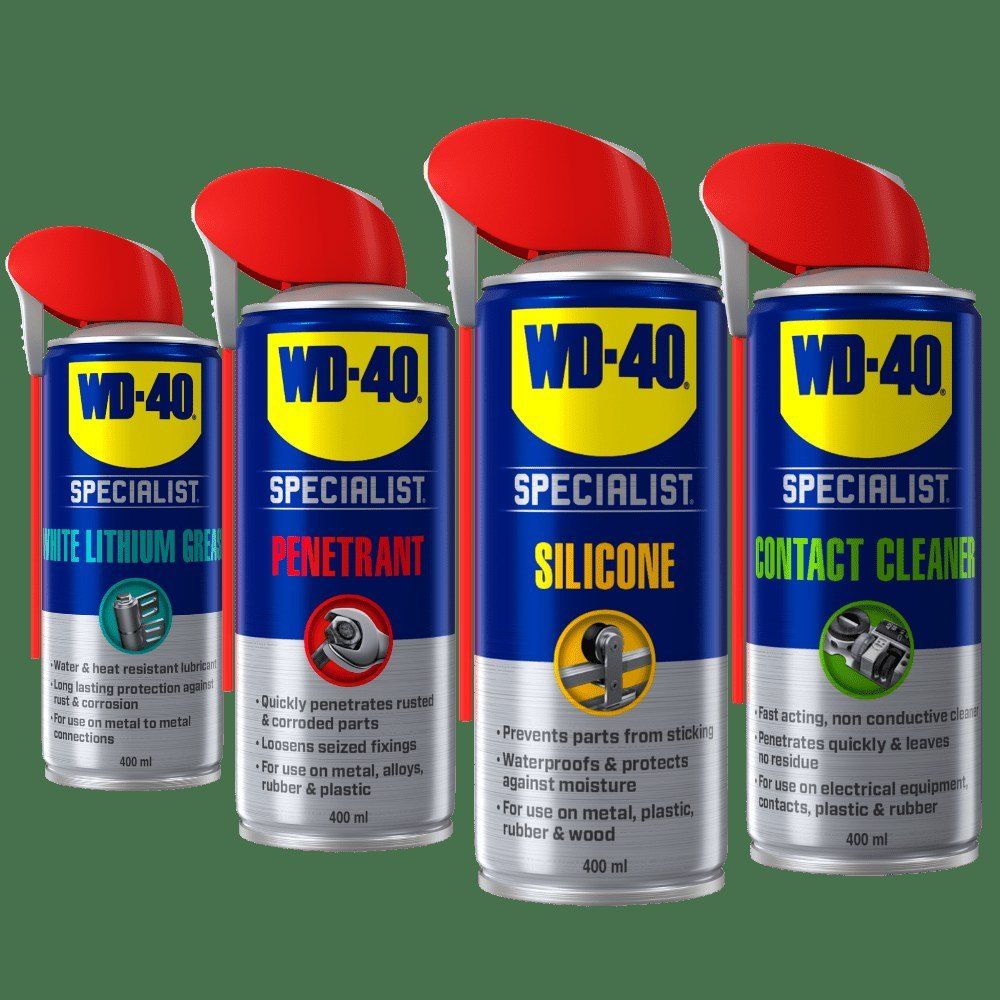
- WD-40 Multi-Use or the compact WD-40 200 ml
Important: Test any product on a hidden spot first to make sure it leaves no dull patches or discolouration. Do not scrub hard or use metal scourers on glossy glaze. After using WD-40, wash the floor so it is not slippery.
Step 1
Rub the marks out with rubber
Oddly enough, a rubber mark is best removed by more rubber. Rub small streaks with a pencil eraser until the black mark disappears, then sweep up the crumbs carefully, as they can leave marks too.
For longer streaks, slip your hand into an old trainer and rub the mark with the heel in circular motions. To save your back, cut a small cross in a tennis ball and push it onto the end of a mop handle.
Step 2
Try a baking soda paste
If rubber does not do the trick, mix two teaspoons of baking soda with warm water into a thick paste. Apply it to the mark with a soft cloth and rub gently. Wipe off with a damp cloth and let it dry.
Plain white toothpaste without abrasive grains works in a similar way: a small amount on a cloth, small circular motions, then rinse with water.
Step 3
Remove stubborn marks with WD-40
Spray a little WD-40 Multi-Use onto a paper towel or soft cloth rather than the floor. Wipe the streak with light circular motions and no pressure. It dissolves rubber and oily residue, so the mark disappears in a few strokes.
For everyday jobs around the house, keep the compact WD-40 200 ml in the cleaning cupboard.
Step 4
Wash and dry the tiles
Whichever method you use, wipe the area with a damp cloth and a drop of detergent to remove paste residue or the oily film, then dry it. This leaves no streaks and keeps the floor from being slippery.
Step 5
Prevent new marks
Fit felt pads to chair and table legs and leave outdoor shoes at the door, especially in winter when soles carry sand and grit. A doormat traps the abrasive dirt that actually scratches the glaze. If a mark survives every method, it is probably a real scratch, which can be hidden with a repair pen in the tile colour.
Tip: Do not mix different products on the same spot: rinse off the previous one, let it dry, then try the next.
What next
Wipe scuffs as soon as you notice them: fresh marks come off in seconds. The same WD-40 Multi-Use will also quieten squeaky extending table legs and door hinges.
These uses come from the experience of WD-40 users in many countries. Always follow the instructions and warnings on the product label.
More guides in «How to use».