However clean the rest of the bathroom is, a stained toilet seat spoils the whole impression. The marks are usually hard water lines, limescale and rust from the metal fixings. The longer they are left, the deeper they sink into the surface.
Limescale and rust stains behave in a similar way, so WD-40 Multi-Use softens them well: it works its way under the deposit, lifts it from the surface and the stain comes away without hard scrubbing. Here is how to do it safely on plastic, step by step.
What you will need
Important: Test on a hidden area first, especially if the seat is wooden, painted or soft-coated. Ventilate the room. After treatment, always wash the seat with detergent, as it comes into contact with skin.
Step 1
Prepare the seat
Put on gloves and wipe the seat and lid with a damp cloth to remove dust and dirt, so the spray acts directly on the stain.
Read the warnings on the can before you start and open the door or switch on the extractor fan.
Step 2
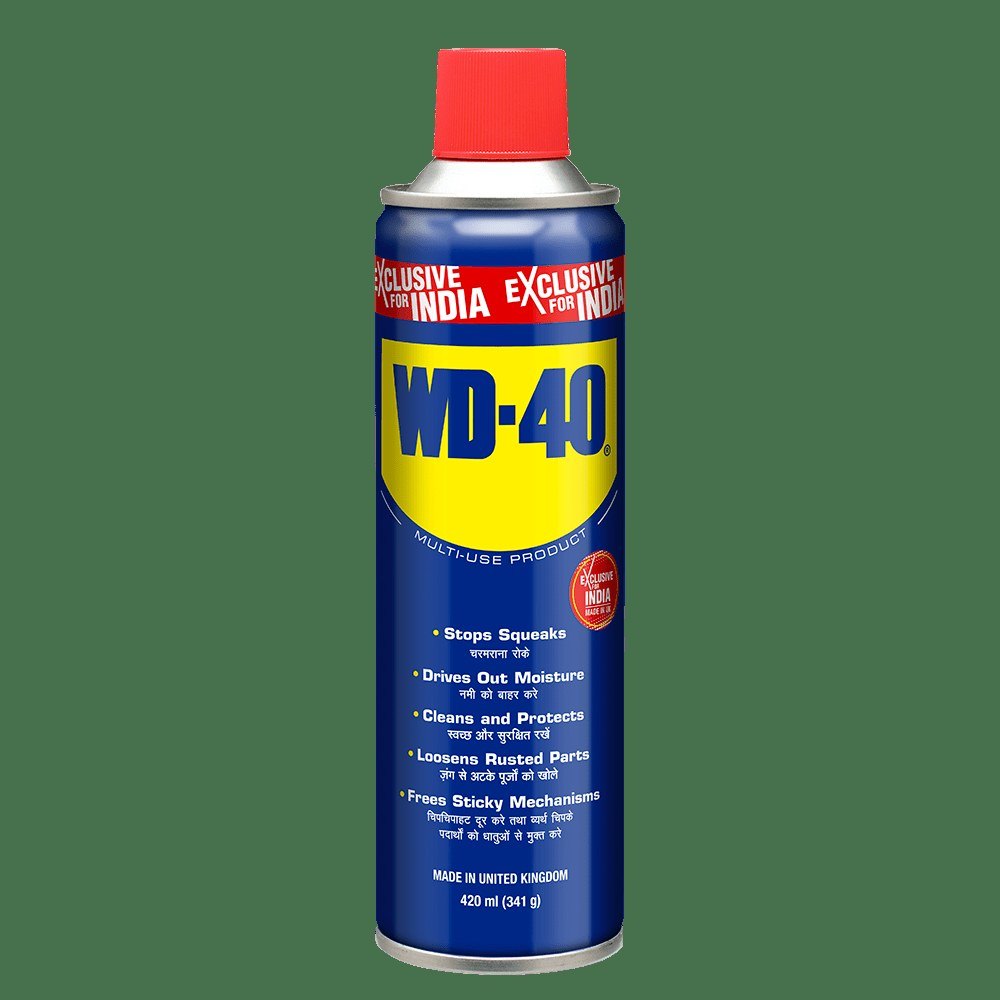
Spray WD-40 on the stains
Spray WD-40 Multi-Use onto the stained areas only. You do not need much: one or two short bursts are enough for a small mark.
Do not treat the whole seat, just the problem spots.
Step 3
Leave it to work
Leave it for 8-10 minutes so it can soak into the stain and soften the deposit. Old, deeply set stains may need a little longer.
Do not let it dry out in sunlight or next to a heater.
Step 4
Scrub off the stain and wash the seat
Scrub the stain with a soft brush or sponge: the deposit comes away with the product. If the mark has not completely gone, repeat.
Then wash the seat with warm water and washing-up liquid and dry it so that no film is left on the surface.
Step 5
Lubricate the hinges
Rusty bolts and squeaky hinges are often the source of orange stains. Wipe the metal parts with a cloth sprayed with WD-40 Multi-Use to remove rust and displace moisture.
Treat plastic hinges and the soft-close mechanism with a drop of WD-40 Specialist Silicone: it is safe on plastic and stops the squeak. Wipe off the excess.
Tip: To stop stains coming back, dry the seat after cleaning and once a month wipe the metal bolts with a cloth lightly sprayed with
WD-40 Multi-Use. Moisture collecting around the fixings is the main cause of rust streaks.
What next
Stains are easiest to remove during your weekly clean, while they are still fresh. For the bowl and cistern, see our guides to removing limescale from a toilet and fixing the cistern mechanism.
These uses come from the experience of WD-40 users in many countries. Always follow the instructions and warnings on the product label.
More guides in «How to use».