Bathroom and kitchen mirrors collect the most water stains: splashes from the basin, toothpaste spots and condensation after a shower. Tap water is often hard, so when it dries it leaves white mineral rings on the glass that an ordinary cloth will not shift.
The longer the stains stay, the harder they are to remove. Below are two proven methods: a mild vinegar solution for fresh marks and WD-40 for stubborn deposits, plus a way to make the mirror fog up less.
What you will need
Important: Do not spray products onto the mirror edges or where it meets the frame: moisture and chemicals can damage the silvering and leave dark spots. Apply the product to the cloth instead. Do not use WD-40 on car windscreens, and wipe up any drips on tiled floors straight away, as they become slippery.
Step 1
Mix a vinegar solution
Mix vinegar and water half and half in a spray bottle. Use water with as few minerals as possible, distilled or filtered, or new spots will appear immediately. Vinegar degreases, dissolves limescale and leaves no streaks, and it costs very little. Give the bottle a gentle shake before use.

Step 2
Apply the solution and spread it
Mist the microfibre cloth or the mirror itself, keeping away from the edges, and spread the solution over the whole surface. Press a little harder on the stains. Keep the cloth damp throughout.
Step 3
Soften stubborn stains
On old mineral rings, press the damp cloth against the glass and hold it for a few minutes, or simply leave it in place. The acidity softens the hard water minerals so the deposit wipes away easily. Then dry the mirror with a clean microfibre cloth.
Step 4
The quick method: WD-40
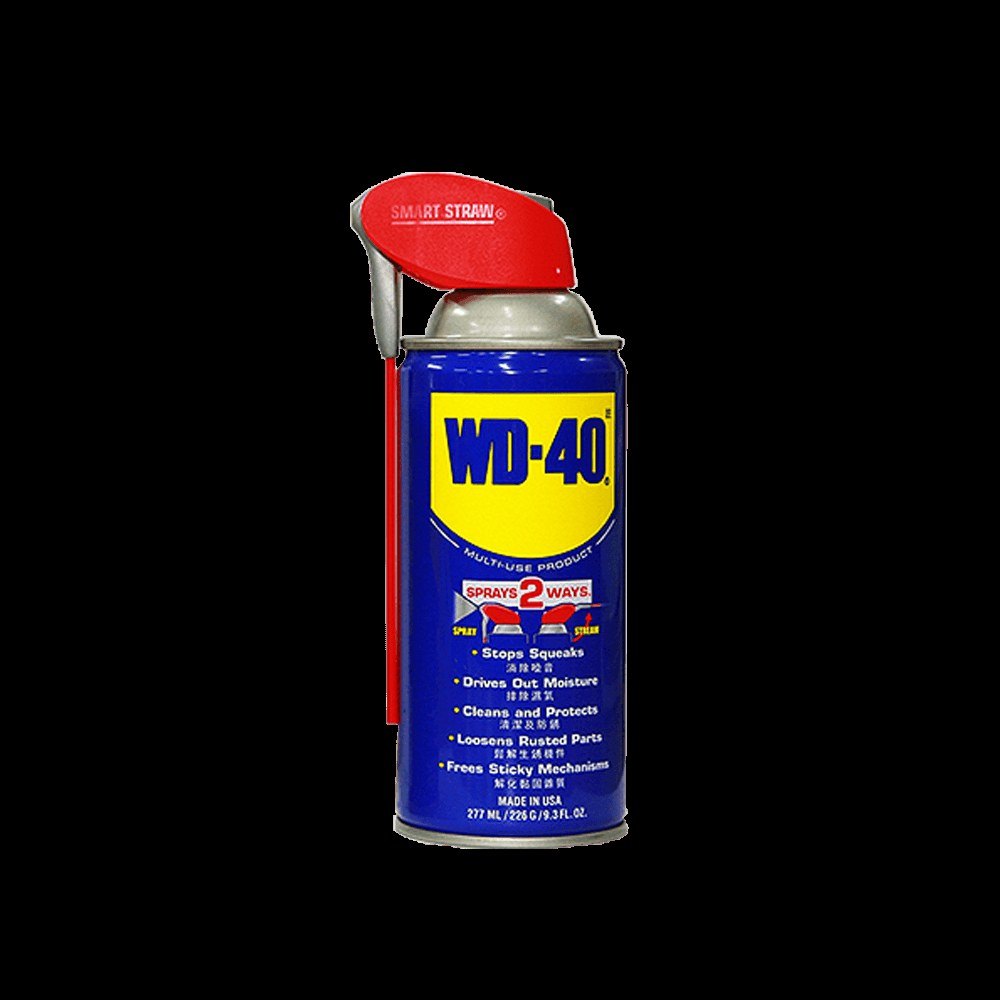
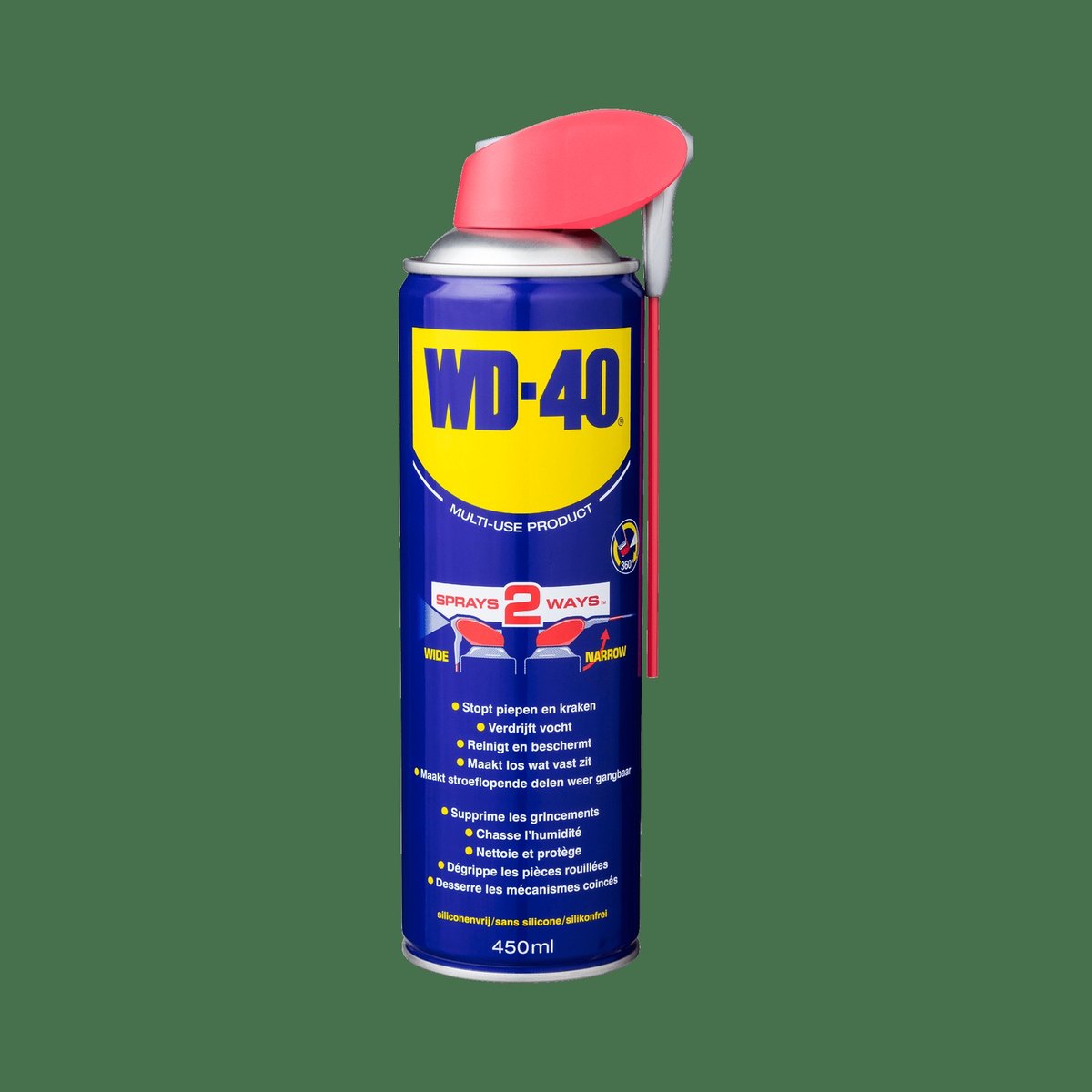
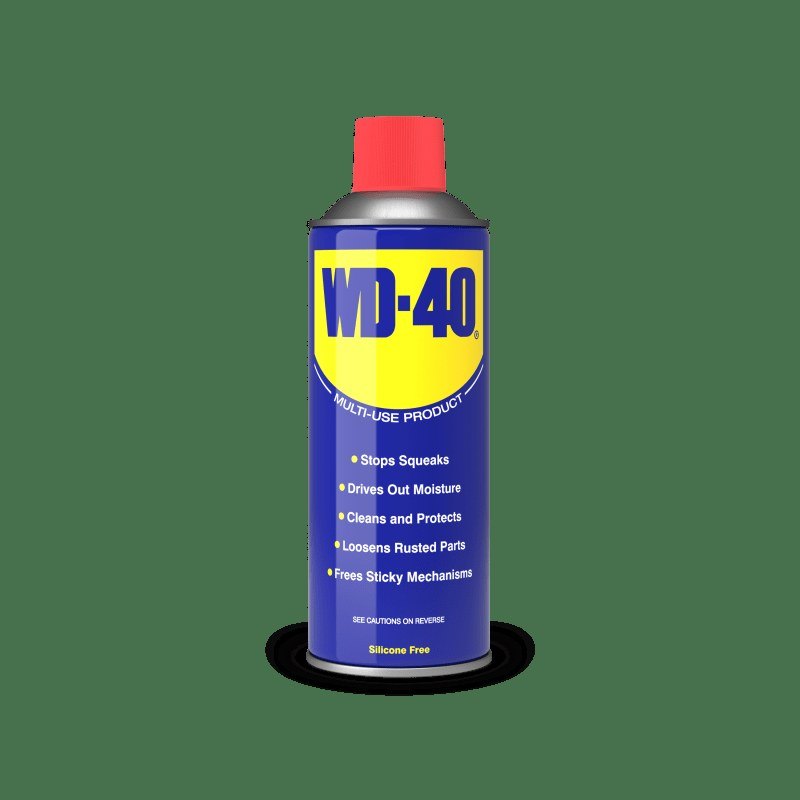
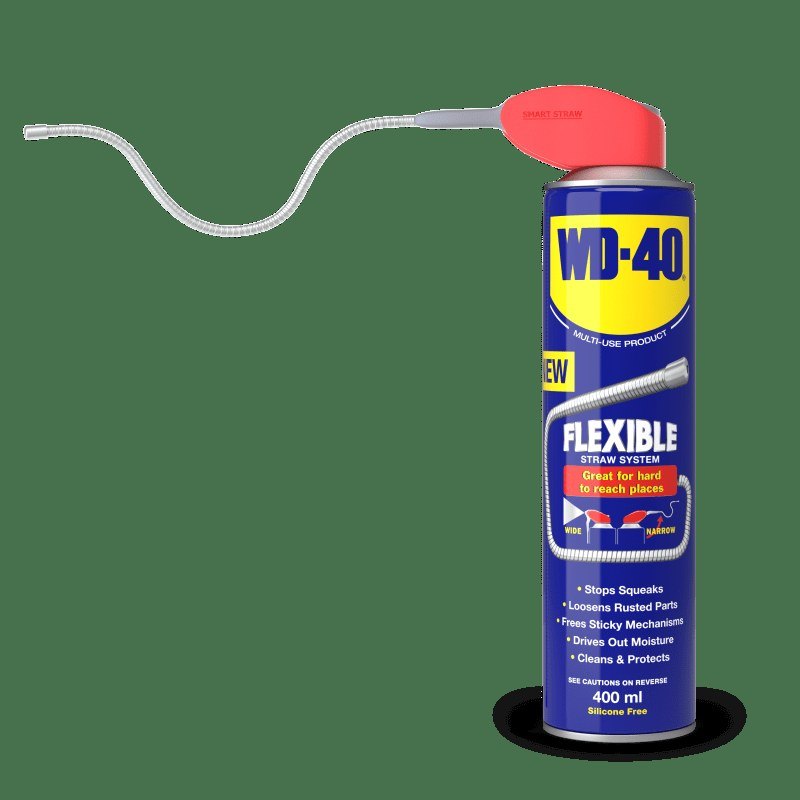
If you have no time for vinegar or the stains are very stubborn, put a little WD-40 Multi-Use onto a dry cloth. For spot treatment, WD-40 Smart Straw with the straw up is handy. Let the product sit on the stains for a minute to loosen the bond between the deposit and the glass.
Step 5
Buff to a shine
With a second clean, dry microfibre cloth, buff the product over the whole surface until all smears are gone: the layer should be invisible. If any marks remain, repeat once more. The thin film stops drops and condensation clinging to the glass, so the mirror fogs less after a hot shower and stains return less often.
Tip: Run a rubber squeegee over the mirror after every shower: ten seconds a day prevents most limescale spots.
What next
Wipe the mirror with the vinegar solution once a week and repeat the WD-40 treatment every few weeks or whenever the stains come back. The same product also helps with squeaky bathroom cabinet hinges and rust on chrome holders.
These uses come from the experience of WD-40 users in many countries. Always follow the instructions and warnings on the product label.
More guides in «How to use».