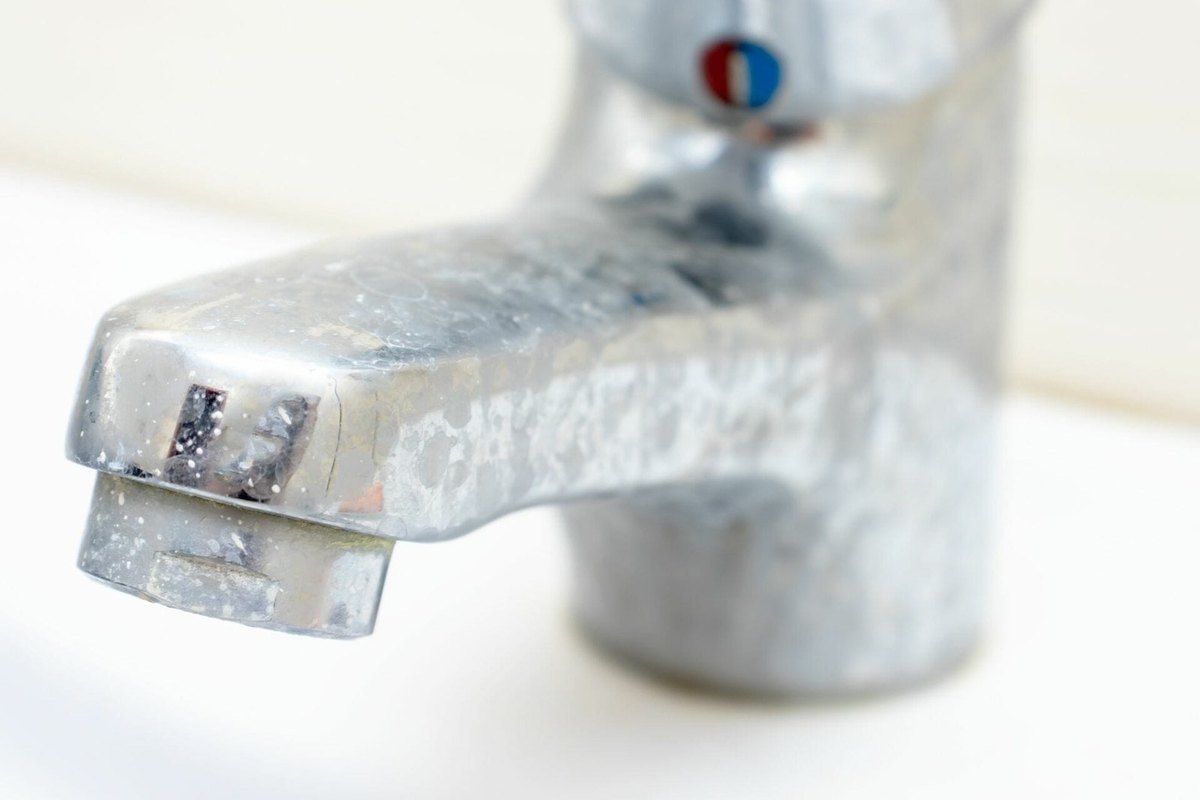
Tap water in most Ukrainian cities is hard, so every shower leaves white droplets on the glass, chrome taps and sink. Over time they build up into a grey crust that neither a sponge nor an ordinary bathroom cleaner will shift.
Below are several proven methods, from vinegar and baking soda for light deposits to WD-40 Smart Straw, which helps lift dried-on marks from smooth surfaces and leaves a water-repellent film. At the end you will find tips on keeping limescale from coming back so quickly.
What you will need
- WD-40 Smart Straw 420 ml or WD-40 Multi-Use
- Microfibre cloths and an old rag
- Your usual bathroom cleaner
- White vinegar, water and a spray bottle
- Baking soda and a soft brush
- Cotton buds for edges and joints
Important: Do not apply WD-40 to the bottom of the bath, the shower tray or floor tiles: the surface will become slippery. Never mix vinegar with chlorine-based cleaners. In a kitchen sink that comes into contact with dishes and food, rinse thoroughly with hot water and washing-up liquid after treatment.
Step 1
Do a normal clean first
Start by cleaning the bathroom or sink with your usual product. This removes soap, dirt and grease and shows you exactly where stubborn limescale remains.
The more often you do this, the thinner the layer you will have to remove later.
Step 2
Light deposits: vinegar or soda
Mix vinegar and water half and half in a spray bottle, apply to the marks and wipe with a cloth. Tap aerators and shower heads are best unscrewed and soaked in the solution for an hour.
For thicker marks, mix 3 tablespoons of baking soda with 1 tablespoon of water into a paste, spread it on the stain, let it dry and go over it with a soft brush.
Step 3
Dried-on marks: apply WD-40
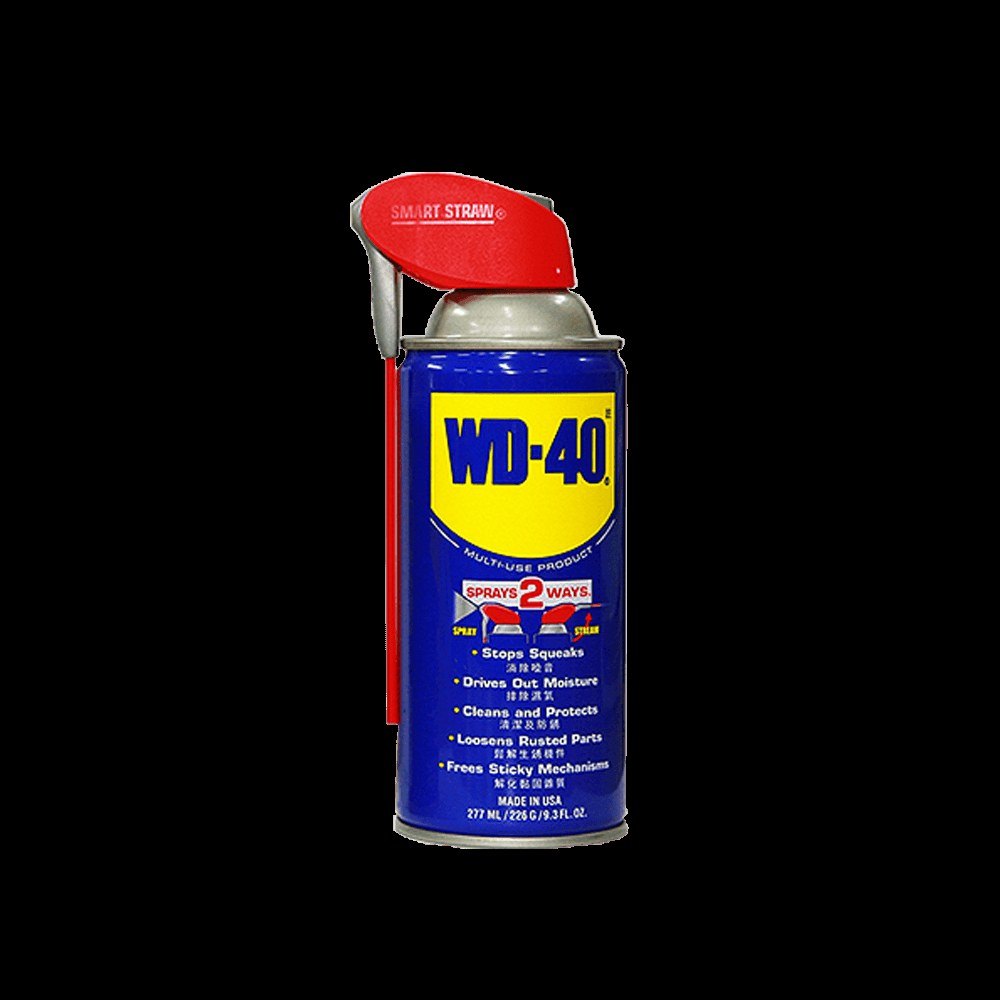
If the deposits will not budge, spray WD-40 Smart Straw generously onto shower glass, chrome taps, wall tiles or a stainless steel sink. The thin straw helps you reach joints and the base of the tap.
Leave it for 4-5 minutes to soak into the scale. Keep the room ventilated while you work.
Step 4
Scrub the marks and treat the edges
Scrub the treated areas with the soft abrasive side of a sponge or a brush. Avoid steel wool on chrome and glass, as it will scratch.
Go over the edges of the marks and the seams around taps with a cotton bud moistened with WD-40. Limescale builds up again fastest from edges left uncleaned.
Step 5
Wipe and polish
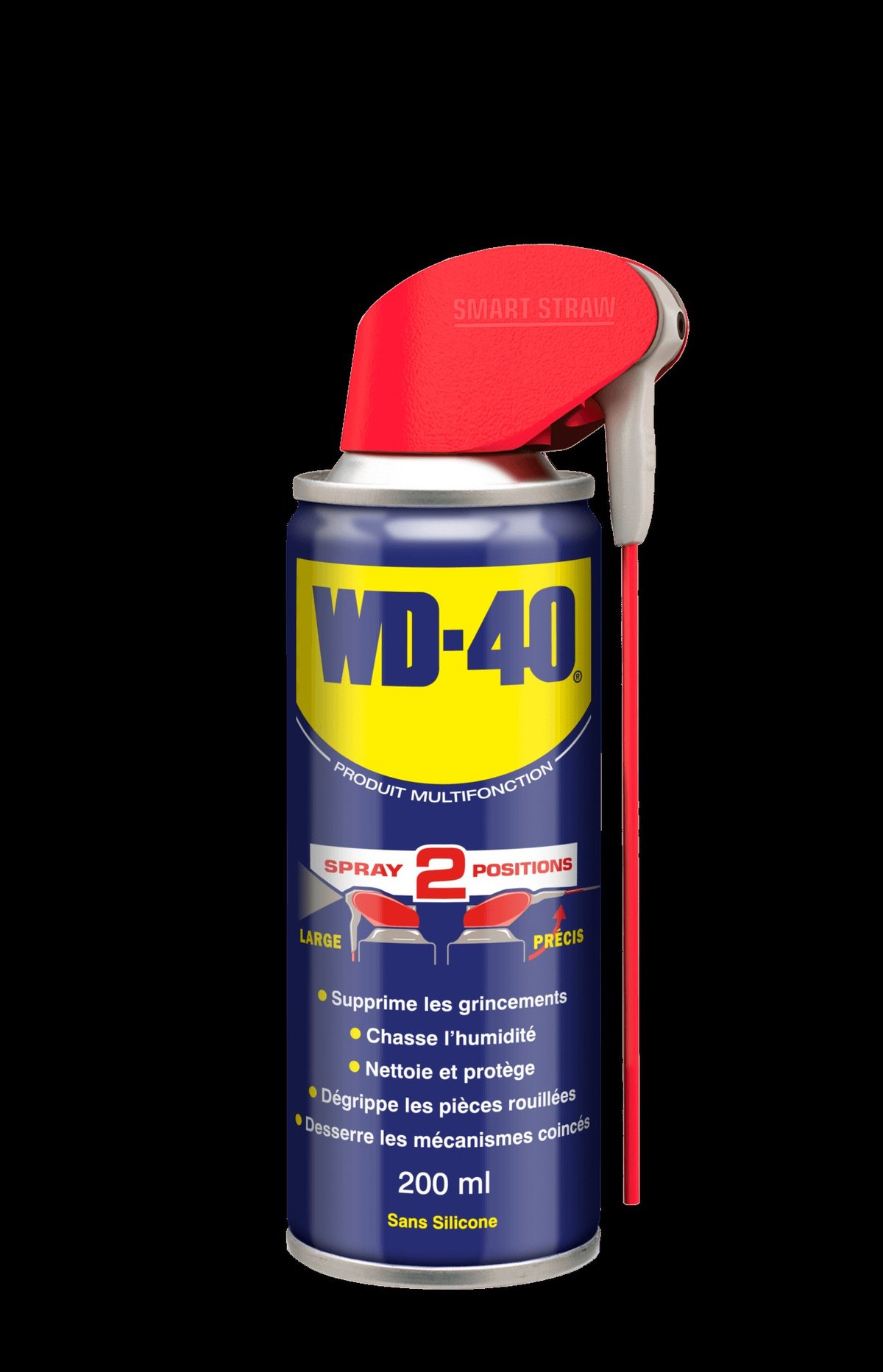
Wipe off the residue with a clean cloth, then polish the surface with a dry microfibre cloth using circular movements. A smooth, streak-free surface stays clean longer because new deposits find it harder to cling.
Afterwards, always wash a kitchen sink with hot water and washing-up liquid.
Step 6
Prevent new limescale
The most effective prevention is simple: after a shower or washing up, wipe the glass, taps and sink with a dry towel. No water droplets means no limescale marks.
If your water is very hard, consider a water softener, ideally fitted by a plumber.
Tip: After cleaning, apply a very thin film of WD-40 to chrome taps and shower walls (never the floor) and buff it with a dry microfibre cloth. The water-repellent film helps droplets run off, so limescale forms more slowly.
What next
Repeat the treatment every 2-4 weeks depending on how hard your water is. In the bathroom, WD-40 Multi-Use is also useful for squeaky door hinges, sticking bolts and protecting metal holders from rust in humid air.
These uses come from the experience of WD-40 users in many countries. Always follow the instructions and warnings on the product label.
More guides in «How to use».