If your ride-on mower has started slipping, loses drive on slopes or the blades spin sluggishly, the belt is the usual suspect. A V-belt stretches, cracks and wears over time, and when it finally snaps it can cause further damage. It is better to replace it in good time rather than in the middle of the season.
The job is perfectly doable in a home garage. While you are at it, clean the deck and check the pulleys.
What you will need
Important: Before starting, switch off the engine, remove the ignition key and pull off the spark plug cap so the engine cannot start by accident. Wear gloves: the blades are sharp. Never work under a mower supported only by a jack; always use axle stands.
Step 1
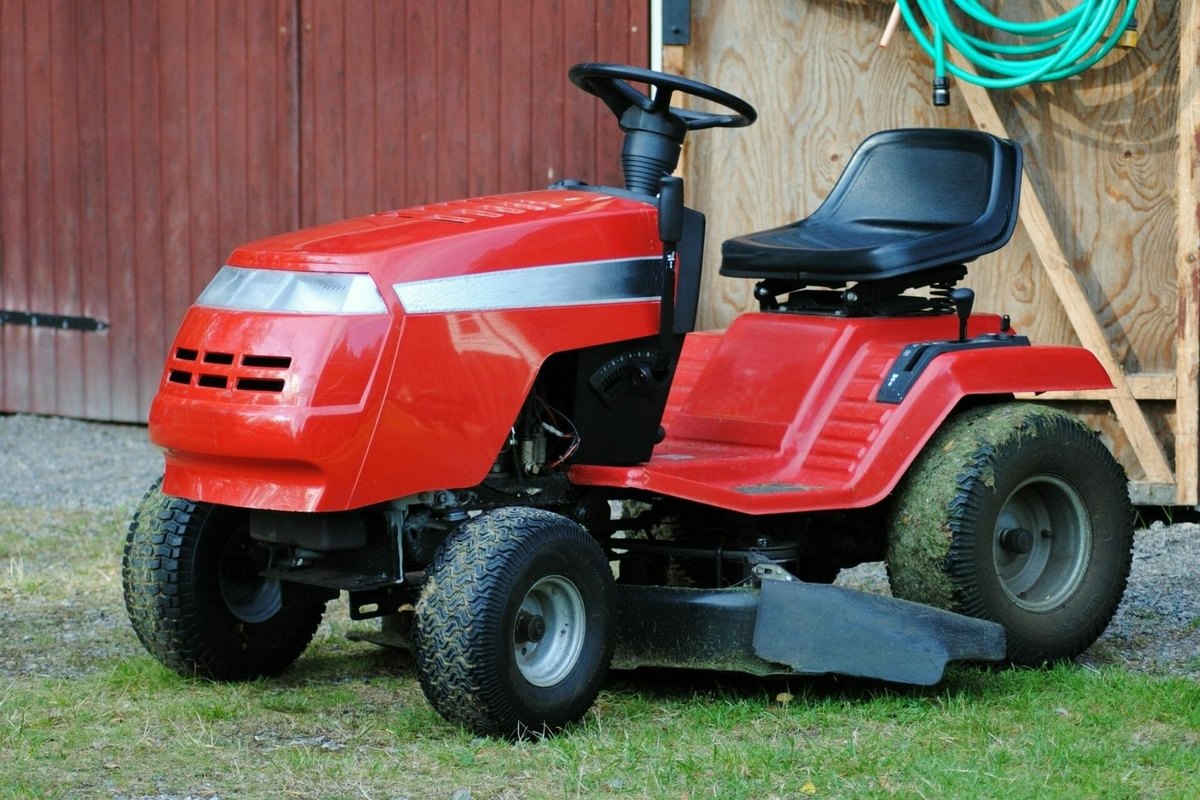
Prepare the mower
Park the tractor on a flat, hard surface. Apply the parking brake, stop the engine and remove the key.
For easier access, raise the mower with a jack and set it on stands. Lower the deck to its lowest position.
Step 2
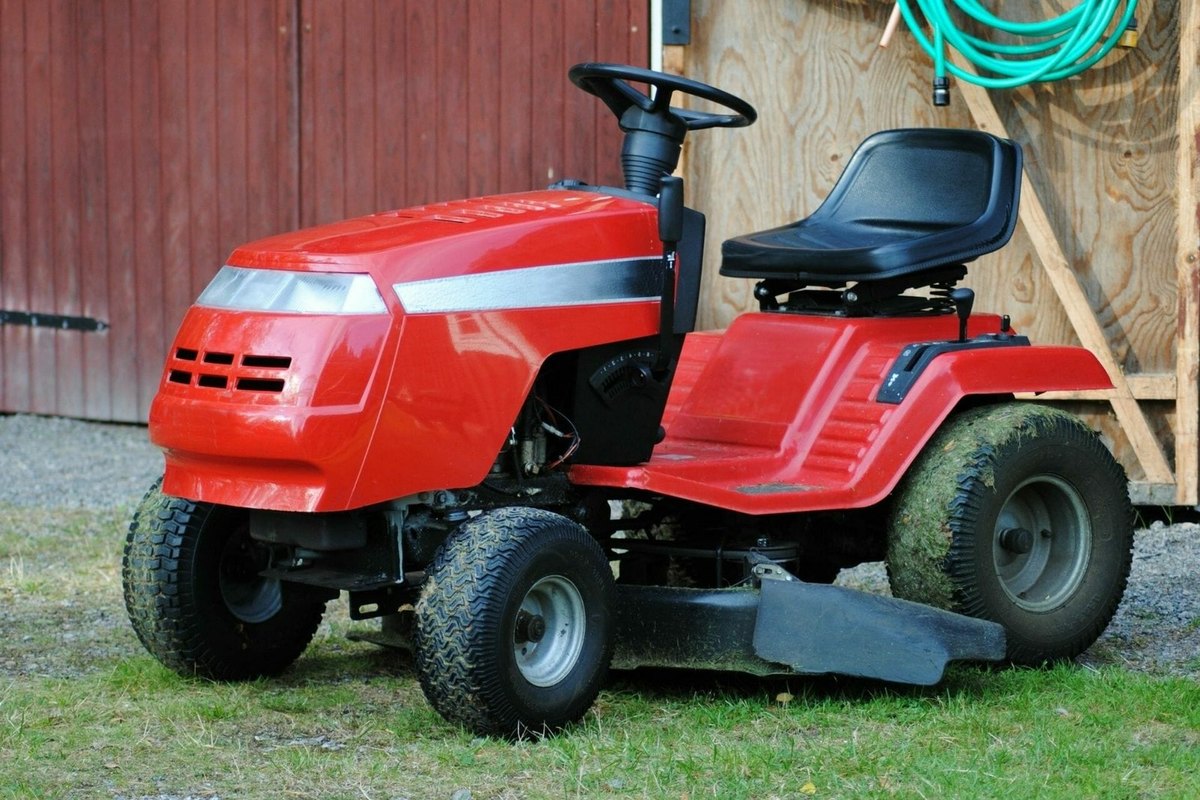
Remove the cutting deck
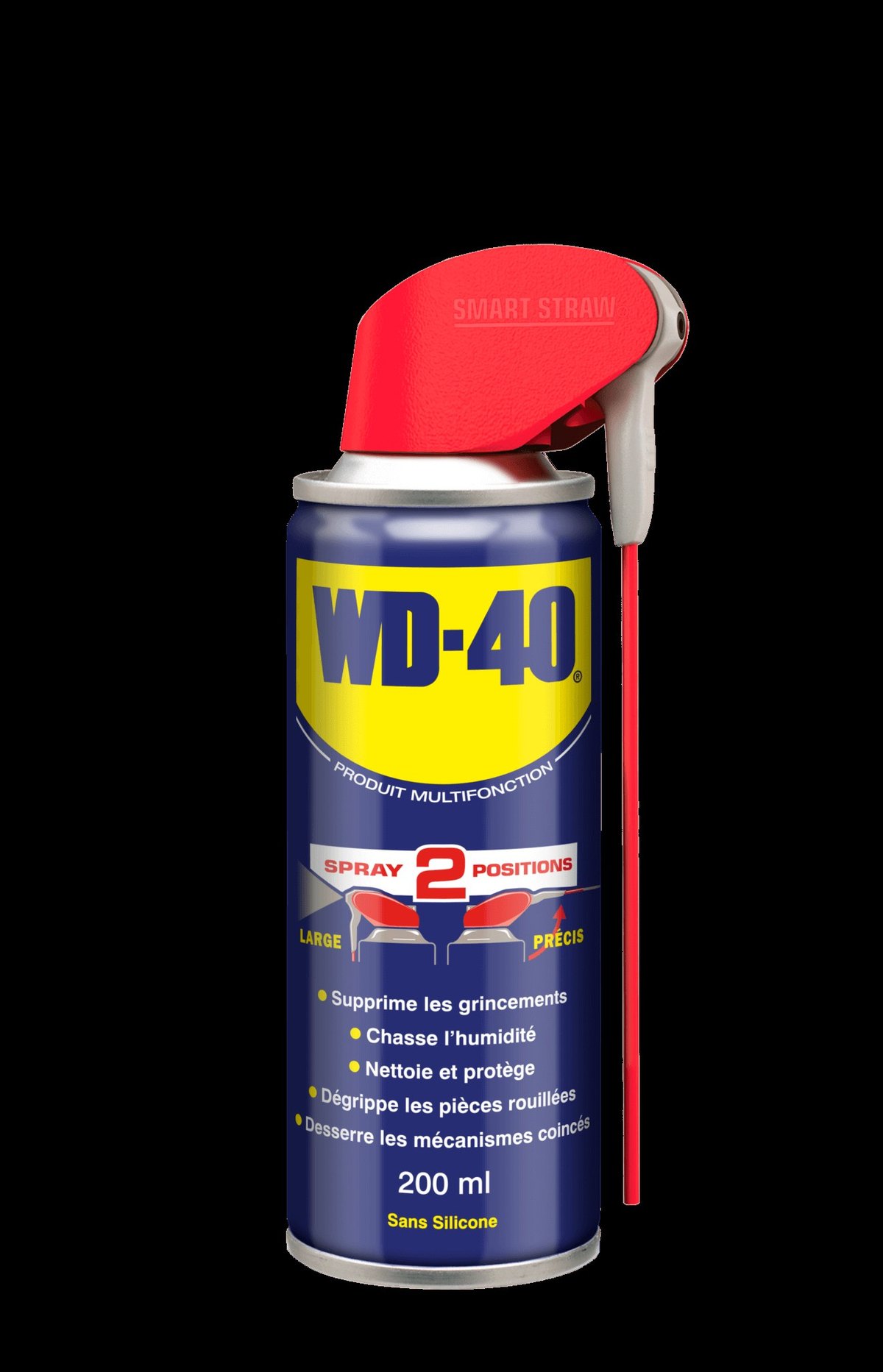
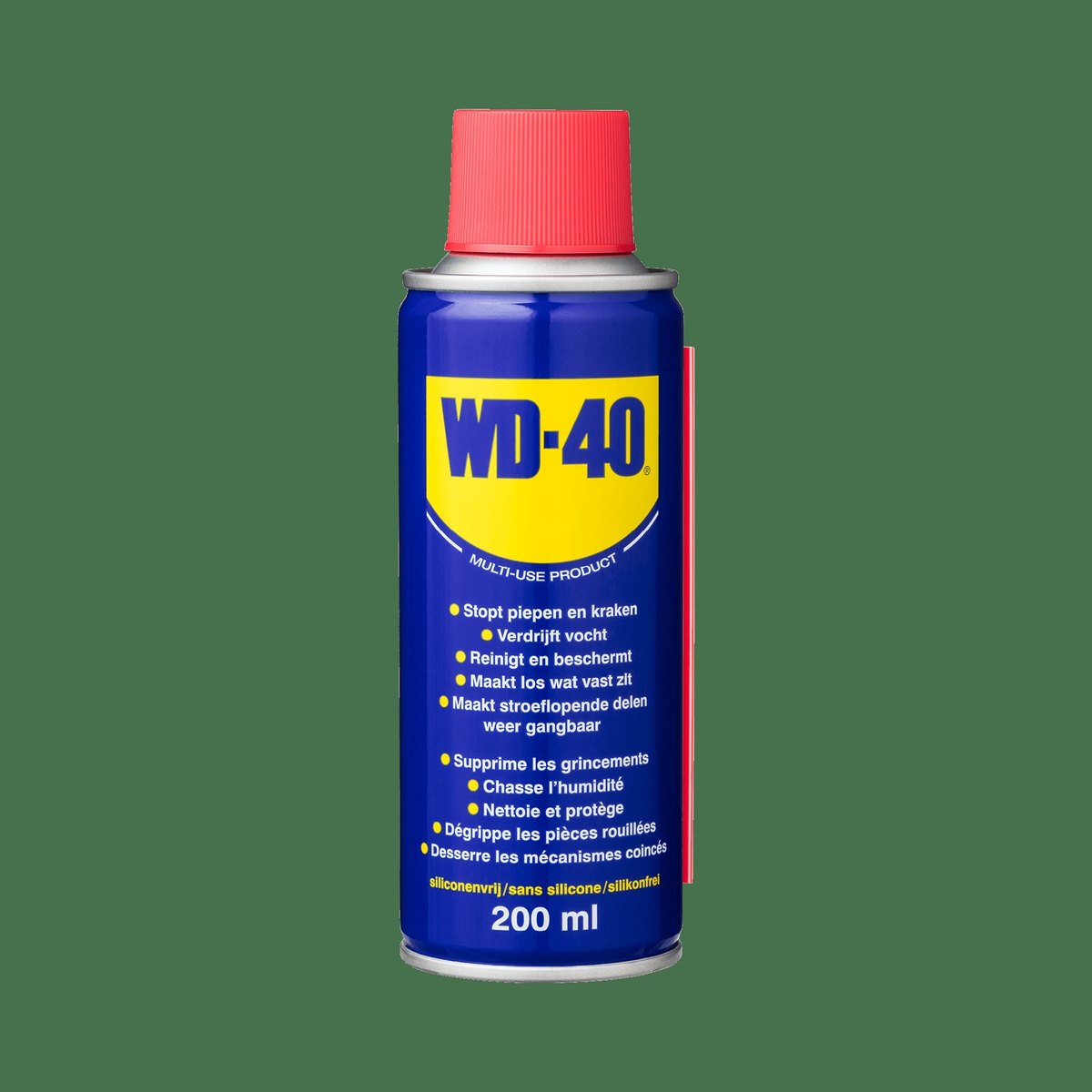
The deck is held by pins, clips and nuts; their number and position depend on the model. If the fixings are seized by moisture and grass sap, apply WD-40 Multi-Use through the WD-40 Smart Straw and give it a few minutes.
Unhook the springs, including the belt tension cable spring, and slide the deck out sideways, usually to the left.
Step 3
Clean the deck
Use a brush and scraper to remove caked grass and soil: they hinder the pulleys and the belt path. Fresh grass is acidic, so rust develops quickly under the deck.
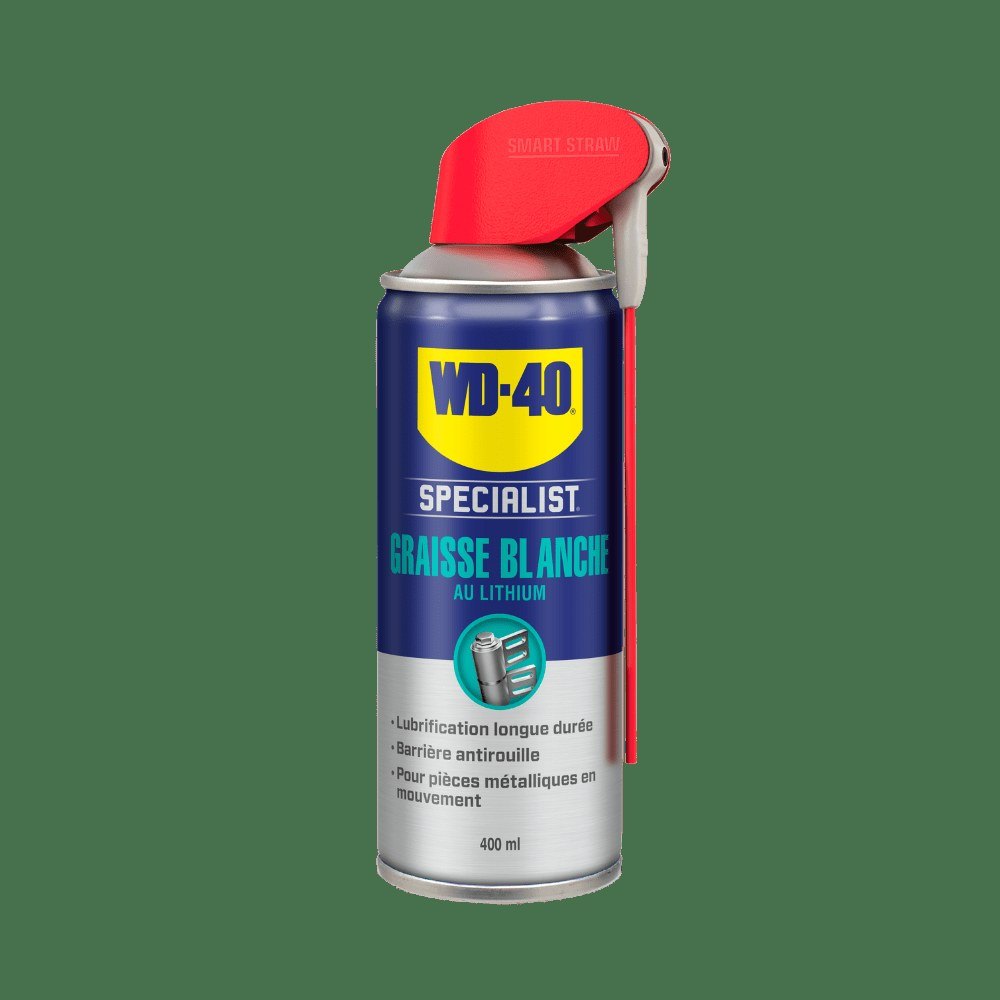
Rinse the deck with water, let it dry, then treat the inside and the blades with WD-40 Multi-Use: it displaces moisture and protects the metal from corrosion.
Step 4
Replace the blade belt
The belt driving the blades runs over pulleys and guides. Photograph its routing before removing it. Slacken the tensioner pulley, take off the old belt and inspect it: cracks, delamination or glazed sides mean it is due for replacement.
Fit the new belt following your photo, make sure the V-section sits fully in the pulley grooves, and restore the tension.
Step 5
Replace the drive belt
The wheel drive belt also runs over pulleys and guides. Photograph the routing, take the old belt off the pulleys and fit the new one along exactly the same path. Set the tension with the tensioner pulley as specified for your model.
Treat the tensioner cable and pivots with WD-40 Specialist Silicone: it protects against moisture and friction and does not attract dust. Keep lubricant off the pulley faces and the belt itself.
Step 6
Check the pulleys and reassemble
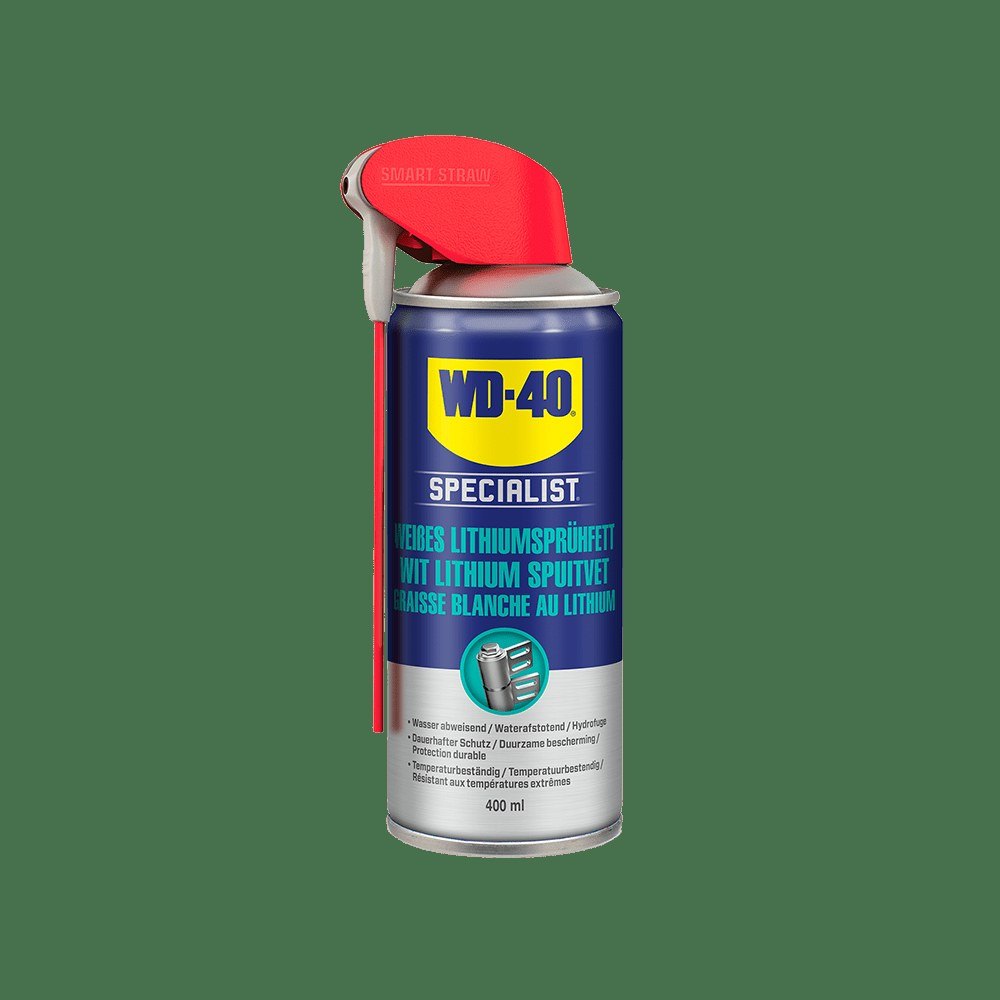
Turn the pulleys by hand: they should spin smoothly without play or grinding. Clean the spindles and bearings and grease them with WD-40 Specialist White Lithium Grease, but sparingly: excess grease on a pulley makes the belt slip.
Refit the deck, reconnect springs and fixings, lower the mower and test drive and blade engagement on the lawn.
Tip: When buying a new belt, match not only the length but also the profile and part number for your model: a belt that looks right may not grip or may jump off.
What next
Inspect the belts at the start of each season and after every few dozen operating hours. Clear grass from the deck after each cut, and before winter storage treat the blades and metal parts with WD-40 Multi-Use against rust.
These uses come from the experience of WD-40 users in many countries. Always follow the instructions and warnings on the product label.
More guides in «How to use».