A stainless-steel sink is practical, but its reflective surface shows every drop, fingerprint and greasy smear. In areas with hard water it also gets white limescale marks.
To keep the sink shiny and clean for longer, all you need is regular washing, proper drying and a thin protective layer. Here is how to do it step by step.
What you will need
- a soft sponge (no abrasive side)
- gentle washing-up liquid or liquid soap
- white vinegar for limescale
- microfibre cloths
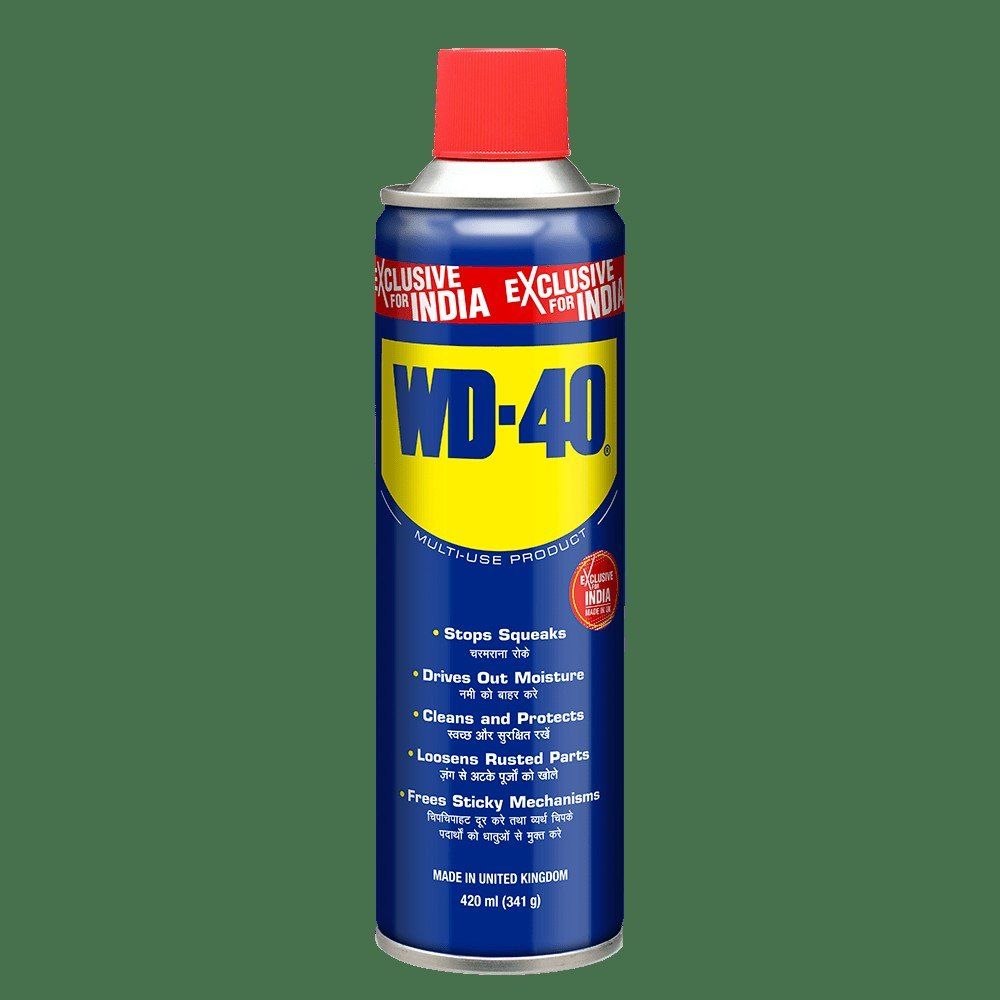
- WD-40 Multi-Use or the compact WD-40 200 ml
- a drain unblocker
Important: Before you start, clear dishes, food and sponges from the sink. Do not spray WD-40 onto dishes or food, buff it in thoroughly and remove any excess, and keep the kitchen ventilated. Avoid bleach-based cleaners and steel wool, which leave stains and scratches.
Step 1
Clear the sink
Remove everything from in and around the sink: dishes, cutlery, food scraps and chopping boards. Take out sponges and brushes too, so nothing gets in the way or comes into contact with the products.
Lift out the drain strainer and wash it separately.
Step 2
Wash the surface
Using a soft sponge, gentle detergent and warm water, wash all the stainless-steel surfaces. Pay particular attention to the rim, the corners and the area around the tap, where most grease and grime collect.
Wipe along the grain of the metal rather than in circles. Rinse off the suds with warm water.
Step 3
Remove limescale and dry
If white hard-water marks remain after washing, wipe them with a cloth soaked in vinegar, leave for a few minutes and rinse. This is usually enough for drips around the tap.
Then dry the sink completely with microfibre. The next step must only be done on a fully dry surface.
Step 4
Shine and protect the steel
Apply a thin layer of WD-40 Multi-Use to the stainless surfaces and leave for 2-3 minutes so it can dissolve any remaining grease. Then spread and buff it with a clean microfibre cloth to a mirror shine.
It leaves a clear film that repels moisture: water runs off better, marks appear less often and the sink is easier to clean next time. A small WD-40 200 ml can is handy to keep under the sink.
Step 5
Look after the drain
Grease and small food particles gradually build up in the pipes, causing smells and blockages. Every few months, depending on how heavily the sink is used, apply a drain unblocker following the manufacturer's instructions.
In between, flushing the drain with hot water once a week helps.
Tip: Do not leave wet sponges, metal tins or cast-iron pans sitting on stainless steel: rust and dark marks form underneath them. Wipe away drops as soon as you finish the washing-up.
What next
Wash the sink daily after cooking, tackle limescale weekly and renew the protective layer about once a month. The same routine works for a stainless cooker hood, bin and appliance doors.
These uses come from the experience of WD-40 users in many countries. Always follow the instructions and warnings on the product label.
More guides in «How to use».