Stainless steel is everywhere: sinks, cooker hoods, handrails, porch railings, door hardware. Despite the name, it can still develop rust spots. Usually it is not the steel itself that rusts but tiny iron particles, dust and dirt settled on the surface. Deep scratches, constant moisture, urban pollution and lack of cleaning all speed things up.
Outdoors, where winter road salt ends up on railings and handrails, the spots appear especially fast. The good news is that surface rust can be removed from stainless steel in minutes, without abrasives that scratch the metal.
What you will need
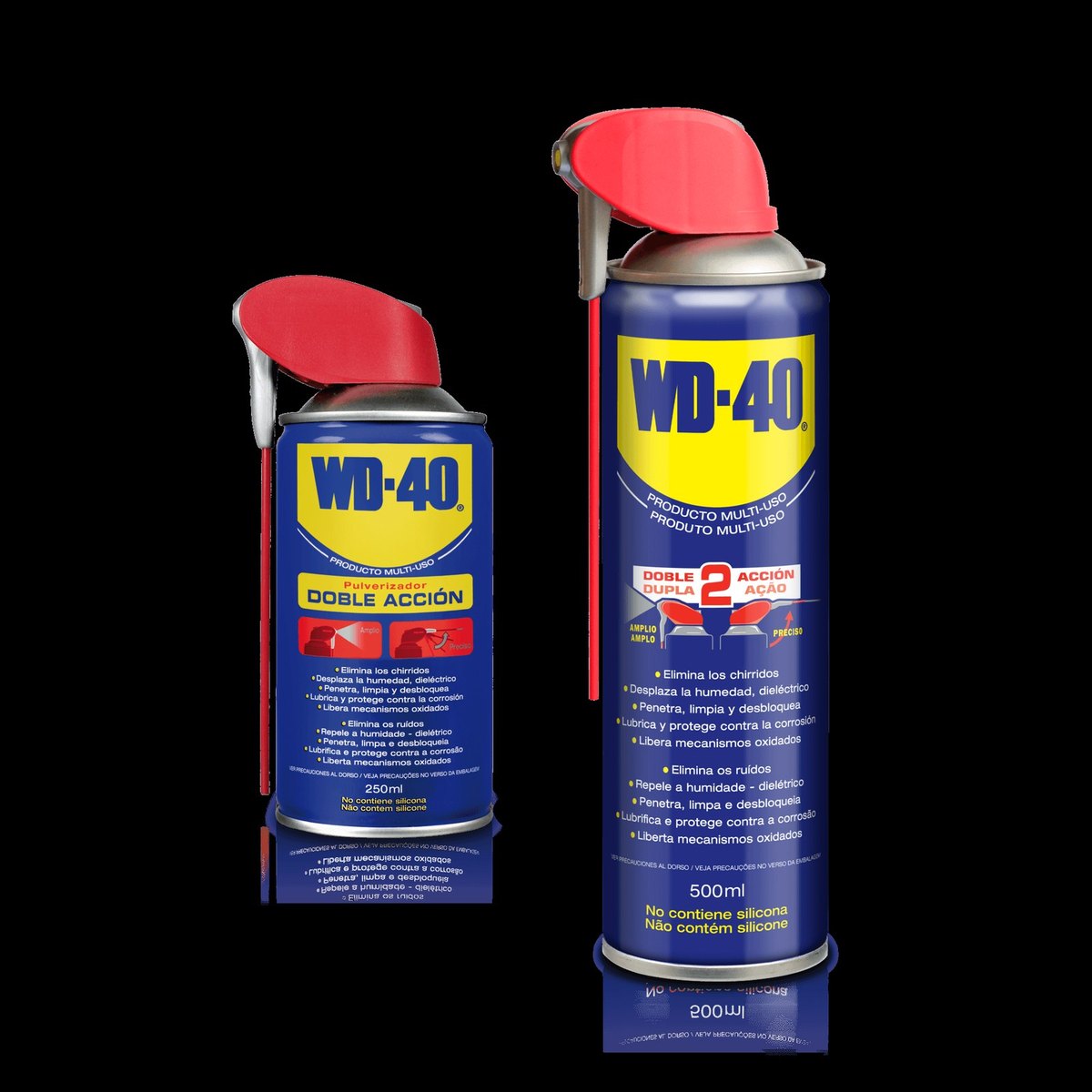
- WD-40 Multi-Use
- WD-40 Trigger Pro for large surfaces such as railings or fences
- Rubber gloves
- Clean microfibre cloths
- Nylon brush
- Warm soapy water
- Oxalic acid based stainless steel cleaner (for stubborn spots)
Important: Never clean stainless steel with steel wool or a wire brush: the scratches become new rust spots. Wash any surface that comes into contact with food with soap and rinse it after treatment.
Step 1
Prepare the surface
Put on rubber gloves. Rinse the area with clean water to remove dust and dirt, then dry it with a microfibre cloth. This shows you exactly where the rust is and what is just ordinary staining.
Step 2
Apply lubricant to the rust
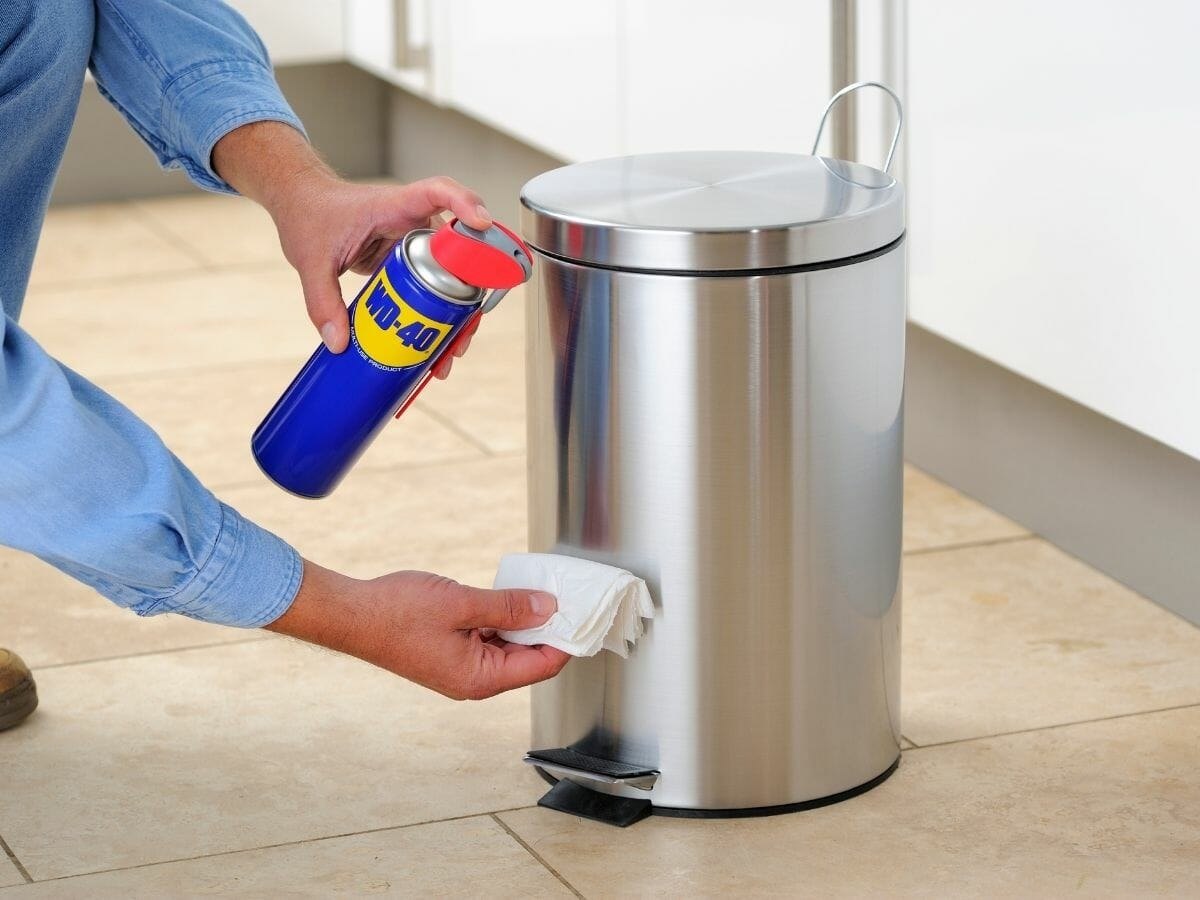
Spray WD-40 Multi-Use onto the rust spots in a thin, even coat. More is not better: if it runs, you have used too much. For long railings and fences the trigger spray of WD-40 Trigger Pro is more convenient.
On small items you can simply dampen a soft cloth with the lubricant and rub the spot.
Step 3
Wait 10-15 minutes
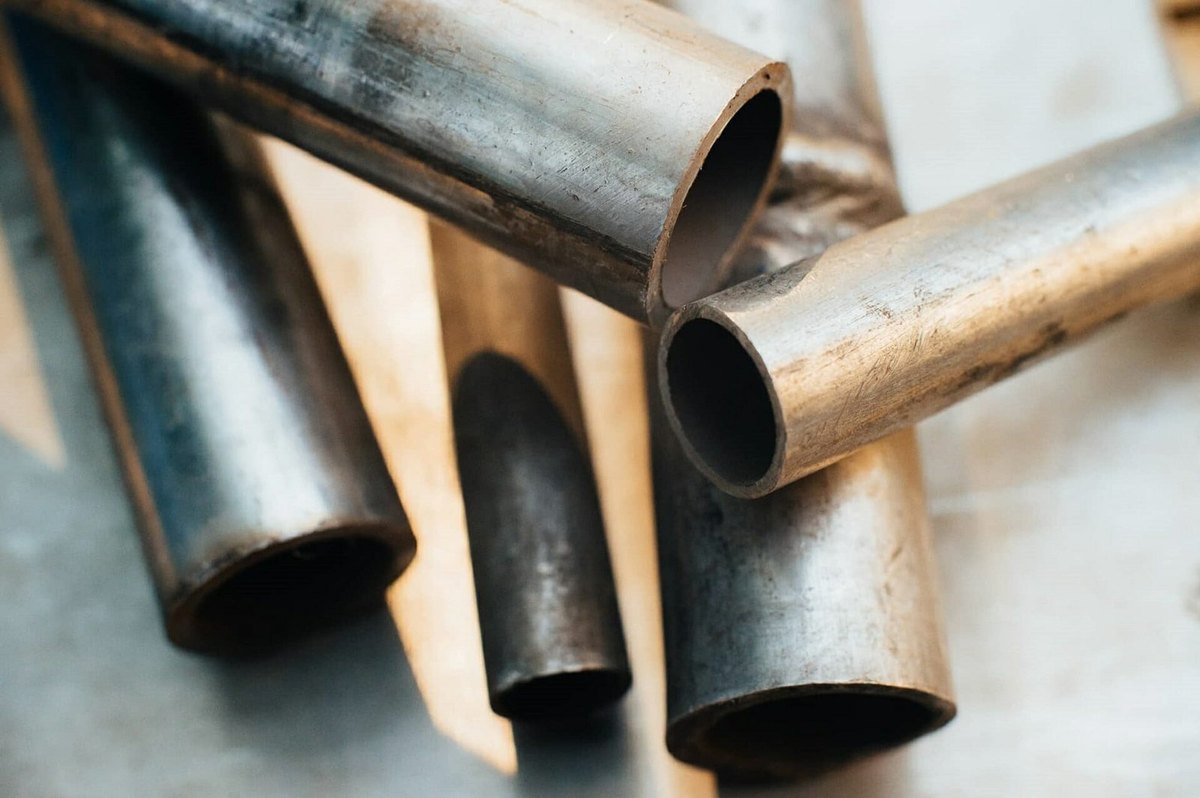
Give the product time to work under the deposit and loosen the rust particles. Do not wipe straight away, but do not leave it for hours either: 10-15 minutes is enough.
Step 4
Wipe away the rust
With a clean cloth, rub the surface in circular motions until the rust spots disappear. For a dense deposit use a nylon brush, working along the grain of the steel finish so as not to leave marks.
Treat any remaining stubborn spots with an oxalic acid based stainless steel cleaner, following the label.
Step 5
Wash and dry
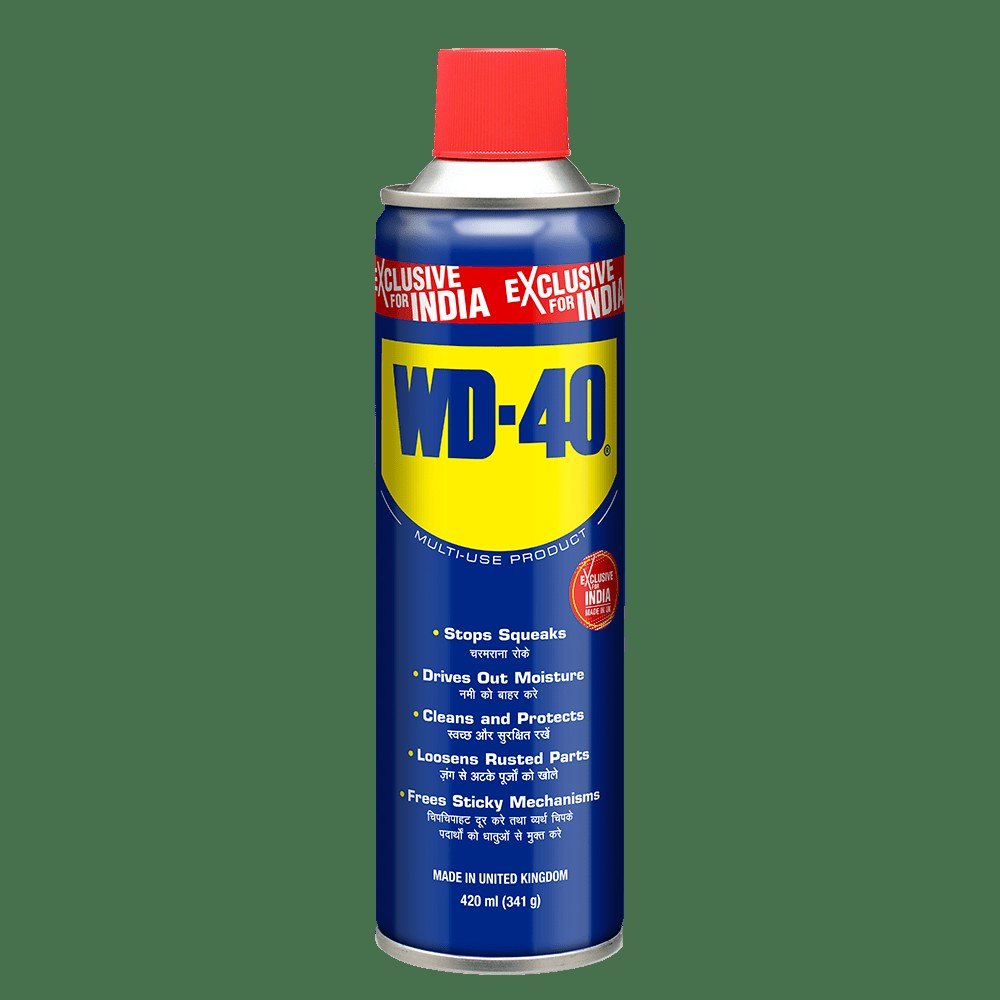
Wash the surface with warm soapy water to remove lubricant and rust residue, then dry it. The steel will shine again.
If rust covers a large area or has attacked the metal deeply, professional pickling and passivation is needed: take it to a specialist workshop.
Step 6
Protect outdoor stainless steel
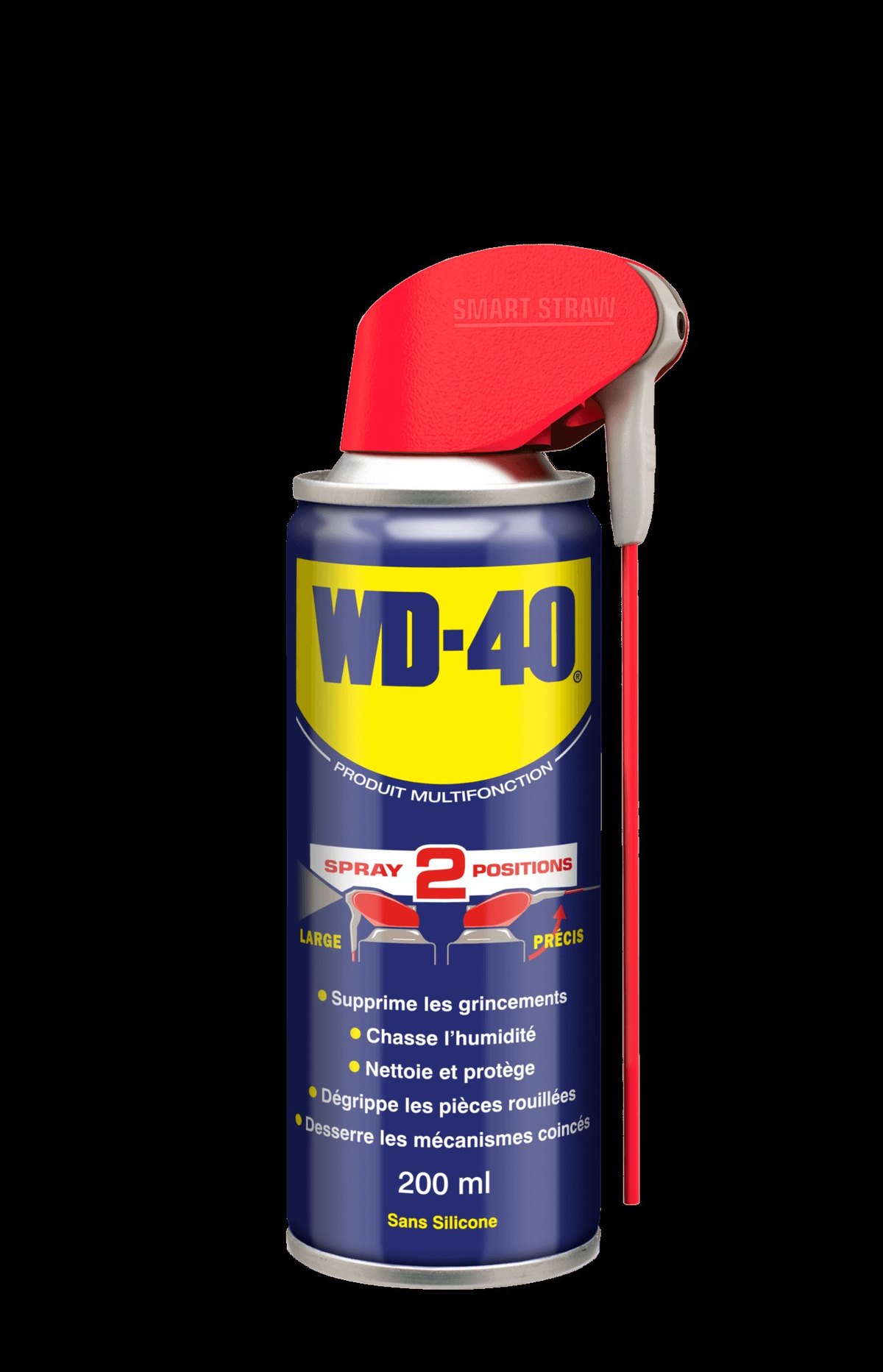
Rinse outdoor railings, handrails and fittings with clean water regularly, and more often in wet seasons and after winter salt. After washing and drying, apply a thin coat of WD-40 Multi-Use and buff it in with a cloth: it displaces moisture and protects the metal from new spots.
Tip: Indoor stainless steel (sink, cooker hood, fridge) usually needs nothing more than regular washing with water and a sponge and a wipe with microfibre. Keep the protective lubricant for metal that lives outdoors or does not touch food.
What next
Inspect outdoor stainless steel in autumn and spring: after winter, salt and grime most often leave small rust dots. A spot removed straight away never gets the chance to set in. The same WD-40 Multi-Use will also look after the metal hinges and locks near your railings.
These uses come from the experience of WD-40 users in many countries. Always follow the instructions and warnings on the product label.
More guides in «How to use».