Diving gear works in seawater all the time. As the water evaporates it leaves salt crystals behind, which make zips stick, buckles stiff and moving parts wear faster.
Freshwater lakes and quarries are not spotless either: silt and algae work their way into every gap. So care needs to be regular and thorough, and it should start straight after the dive.
What you will need
Important: Never apply any lubricant to the regulator, octopus, inflator, cylinder valve, O-rings, mask, mouthpiece or neoprene seals: these parts are serviced only with products approved by the manufacturer or at a service centre. Use the spray only on metal zips, buckles, clips and the knife.
Step 1
Rinse all the gear thoroughly
Rinse your gear as soon as possible after the dive, before the salt dries. Go over every item with a strong jet of fresh water from a garden hose, paying particular attention to recesses, pockets and buckles.
Wetsuits, BCDs and fins can soak in a bath of fresh water for 10-15 minutes and then get a final rinse.
Step 2
Protect the zips
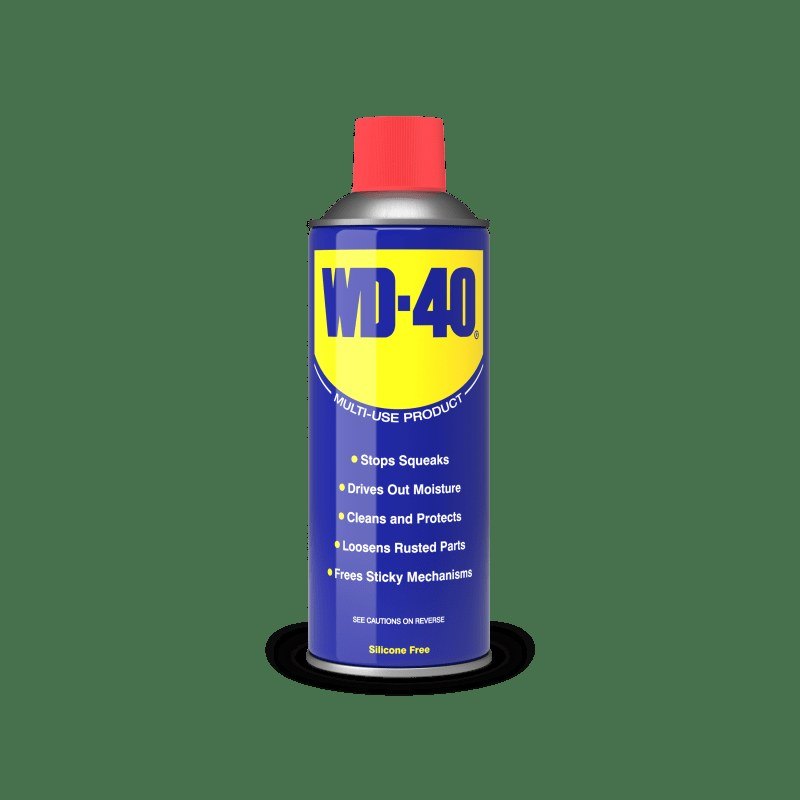
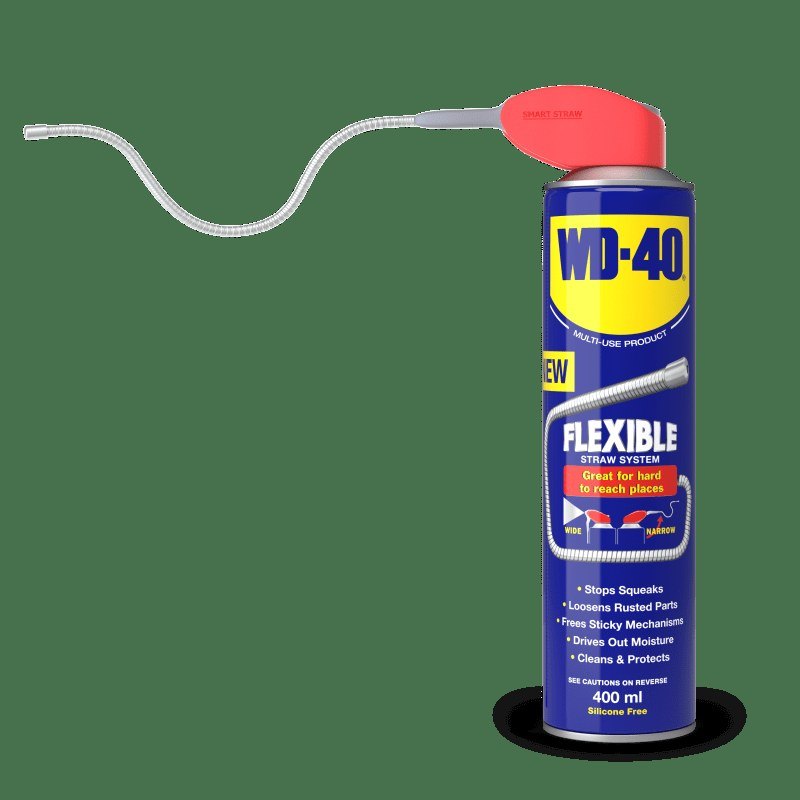
Metal zips on wetsuits and bags suffer most from salt and sand. Once they are dry, apply a little WD-40 Smart Straw through the precision straw directly onto the slider and teeth.
Open and close the zip several times to spread it, then wipe off the excess. It displaces moisture, flushes out remaining grit and protects the metal. Service a drysuit's watertight zip only with the product its manufacturer specifies.
Step 3
Treat buckles, clips and fastenings
Treat metal strap buckles, clips, carabiners and the cylinder band buckle with WD-40 Smart Straw, then open and close them a few times.
This matters most before a long break from diving: it lubricates the mechanism and protects it from rust in storage.
Step 4
Look after your knife
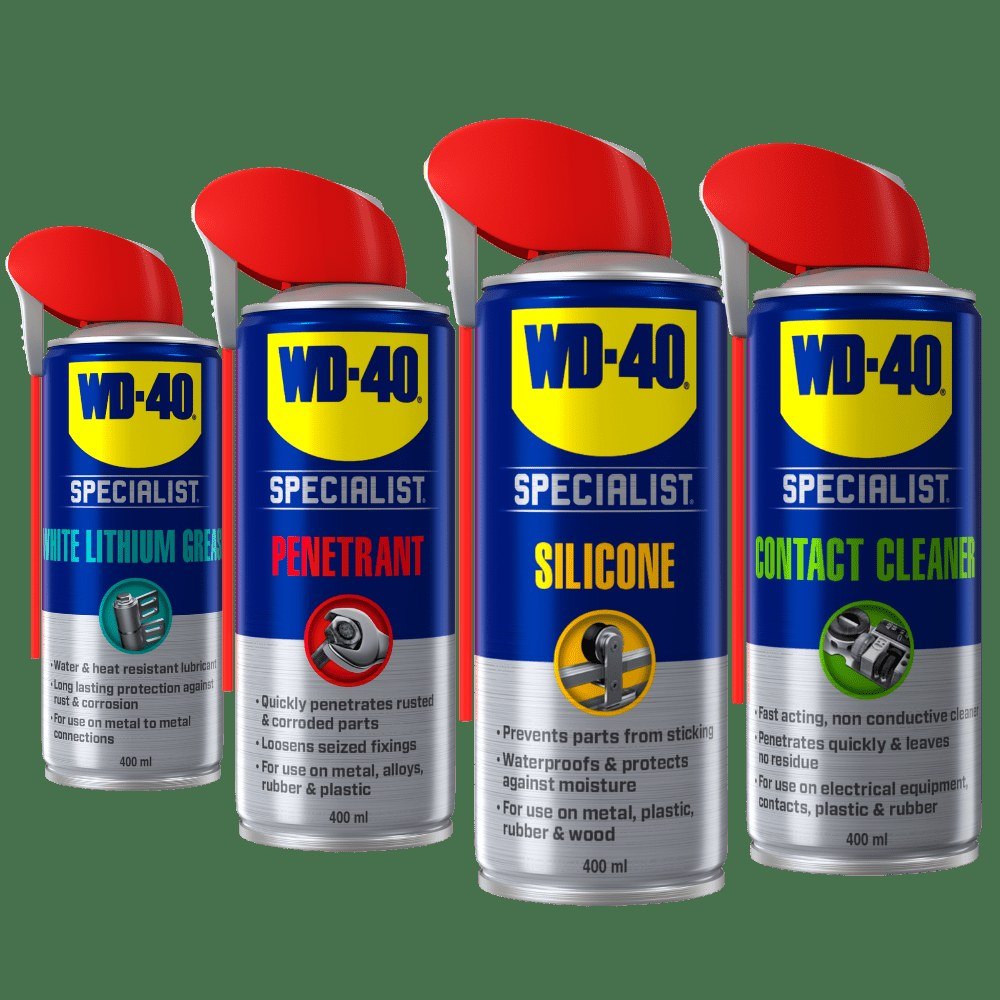
A dive knife must be sharp and dependable. Once it is rinsed and dry, apply a small amount of WD-40 Multi-Use to the blade and the sheath catch, then polish with a microfibre cloth.
The thin film protects the steel from corrosion and keeps the sheath catch working freely. Check the edge regularly and touch it up.
Step 5
Dry and prepare for storage
Dry the gear in the shade on wide hangers, away from direct sun and radiators: UV and heat break down neoprene and rubber.
Store everything in a dry, ventilated place. Before the new season treat the zips and buckles with WD-40 Smart Straw again and send the regulator for its scheduled service.
Tip: Pack a small
WD-40 100 ml for trips: dive sites often have nowhere to rinse gear properly, and a quick same-day treatment of buckles and zips protects them from salt until you get home.
What next
Rinse your gear after every dive, treat zips and buckles every few dives and always before storage. A bike or boat trailer that has been to the seaside also deserves a coat of WD-40 Multi-Use.
These uses come from the experience of WD-40 users in many countries. Always follow the instructions and warnings on the product label.
More guides in «How to use».