Tyre pressure affects everything: how easily the bike rolls, grip in corners, comfort on cobbles and the risk of punctures. Pedals that feel as if you are riding through mud usually just mean a soft tyre.
Bike inner tubes lose air much faster than car tyres because the pressure is higher and the walls are thinner. Check the pressure at least once a month, and before every ride on a road bike. In spring and autumn, when temperatures swing sharply, pressure changes noticeably too.
What you will need
- pump with a gauge (hand, track or electric)
- your bike, ideally a bike stand
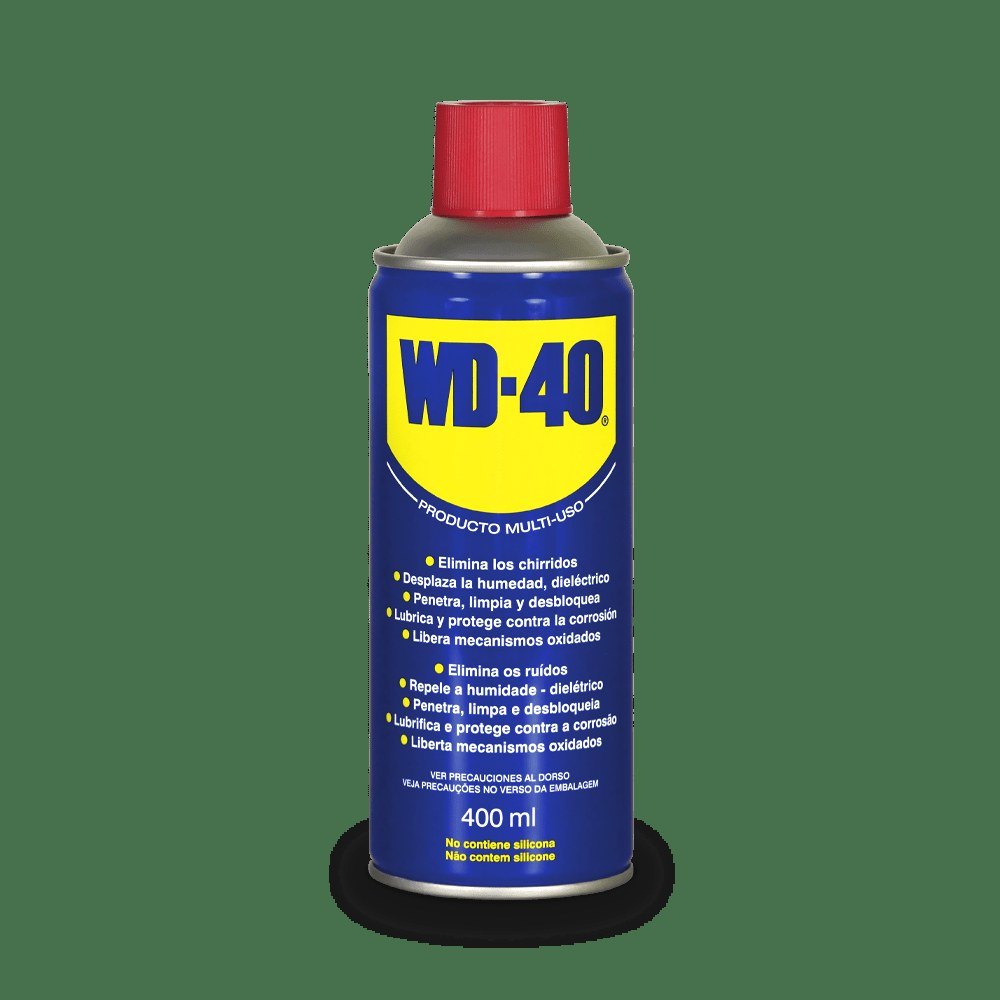
- WD-40 Multi-Use for a stuck valve cap
- WD-40 100 ml pocket can for rides
Important: Never exceed the maximum pressure printed on the tyre sidewall or rim. Do not apply lubricant to the tread, sidewalls or braking surfaces of rims or discs.
Step 1
Make sure the tyre is not punctured
Before pumping, inspect the tyre for cuts, embedded glass, wire or thorns. If it goes flat overnight or within a few hours, pumping will not help: find the puncture and patch or replace the tube.
If there is no damage and the tyre has lost pressure gradually, simply pump it up to the right level.
Step 2
Find the right pressure
The recommended range is moulded into the tyre sidewall, often in psi and bar. As a guide, road tyres need 80-130 psi (about 5.5-9 bar), mountain bike tyres 25-35 psi (about 1.7-2.4 bar) and hybrid and city tyres 40-70 psi (about 2.8-4.8 bar). The lower figure is the minimum and the upper one the maximum.
Within the range, adjust for conditions. A lighter rider needs less pressure, while luggage or a loaded rack needs more. The narrower the tyre, the higher the pressure. On wet ground, leaves or cobbles drop the pressure slightly for grip, and on smooth tarmac raise it for easier rolling.
Step 3
Identify the valve and remove the cap
The two most common types are the slim Presta valve and the wider car-style Schrader. Unscrew the plastic cap and keep it in your pocket so you do not lose it. On a Presta valve, also undo the small lock nut at the tip and press it briefly to free the valve.
If the cap is stuck with dirt or winter road salt, spray it with WD-40 Multi-Use, wait a minute and try again. It penetrates the thread and loosens the grime.
Step 4
Attach the pump and read the pressure
Fit the pump head onto the valve. If the head has a locking lever, put it on with the lever open and then snap it down so it does not slip off. The gauge will show the current pressure.
Electric pumps and compressors let you preset the target value so they stop automatically.
Step 5
Inflate and close the valve
Pump with steady strokes while watching the gauge so you do not over or under inflate. Once you reach the target, lift the lever, remove the head quickly and refit the Presta nut and the cap.
You can run the front tyre 15-20 % softer than the rear: it grips better in corners and absorbs bumps.
Tip: Keep a
WD-40 100 ml can in your backpack: it helps with a stuck cap, a dirty valve thread or a squeaky cable and takes up less room than a water bottle.
What next
Check pressure at least once a month and always before a long ride. If the tyre keeps going flat, see our guide to changing an inner tube. Clean and lubricate the chain and moving parts regularly, and use WD-40 Multi-Use for rust and stuck bolts.
These uses come from the experience of WD-40 users in many countries. Always follow the instructions and warnings on the product label.
More guides in «How to use».