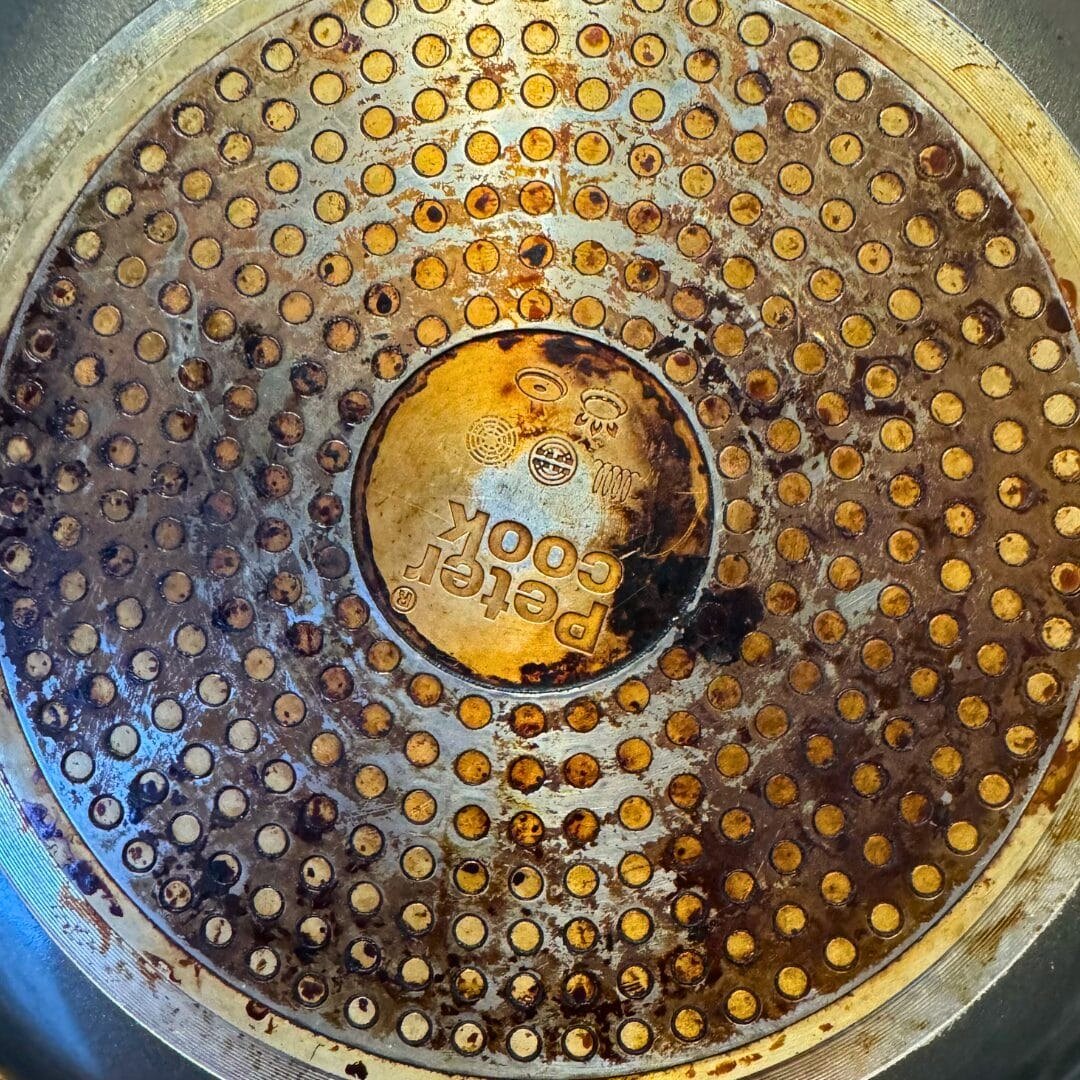
One moment of distraction is enough to leave a burnt patch in a pan that an ordinary sponge will not shift. Many people throw the pan away, yet most burnt-on deposits can be removed at home with everyday products.
The key is to act straight away. Fresh burns come off easily, but if you keep cooking in a dirty pan, the carbon hardens and spreads. Start with the gentlest method and move on to stronger ones only if the stain resists. Before you begin, check the pan's surface: non-stick coatings must never be scrubbed with metal pads or abrasives.
What you will need
- white vinegar and bicarbonate of soda
- table salt and washing-up liquid
- a cola-type fizzy drink (for fresh burns)
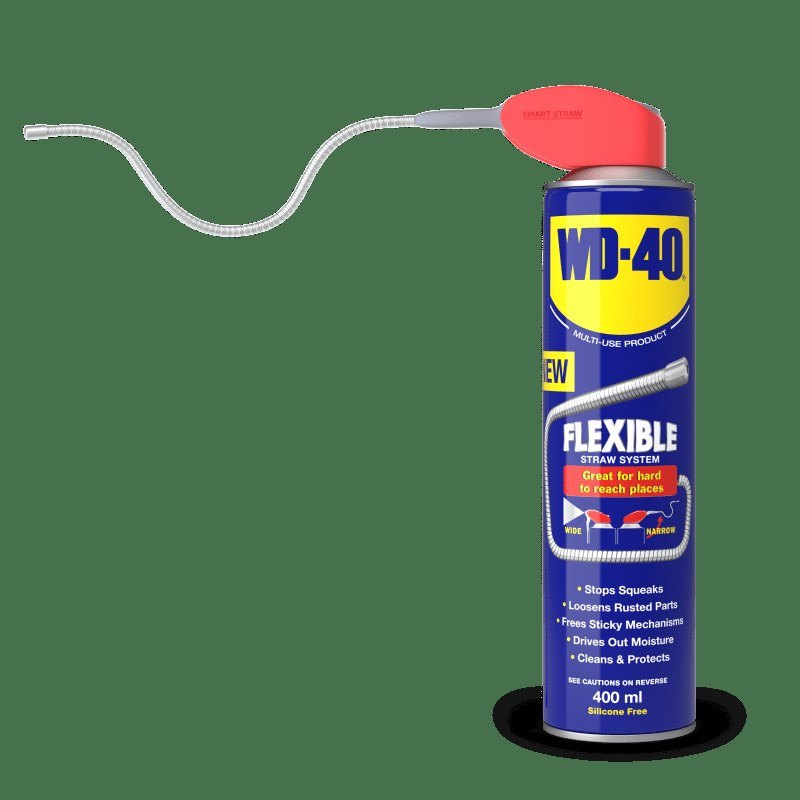
- WD-40 Multi-Use for old carbon and soot
- washing-up sponge, scourer for uncoated surfaces
- rubber gloves
Important: WD-40 is not intended for contact with food and is not suitable for non-stick coatings. After using it, wash the pan thoroughly several times in hot soapy water and boil clean water in it before cooking.
Step 1
Vinegar and soda for fresh burns
Mix vinegar and bicarbonate of soda 1:1 and pour the mixture into the pan to cover the stain. Bring it to the boil and simmer for about a minute. Do not lean over the pan or breathe in the vapour, which irritates the eyes, nose and lungs; switch on the extractor fan.
Pour away the solution and rub the stain with a sponge. If deposits remain, repeat or sprinkle a spoonful of soda on the spot and leave it for a few minutes.
Step 2
Salt and washing-up liquid
Sprinkle a generous handful of salt over the base of the pan, add washing-up liquid and a little hot water. The salt acts as a mild abrasive: scrub the burnt areas with a sponge until the deposits lift, then rinse.
Step 3
A fizzy drink for a just-burnt pan
Rinse the pan with hot water and pour in enough cola-type fizzy drink to cover the stain completely. The acid and bubbles weaken the bond between the carbon and the metal. To speed things up, heat the pan with the drink for a few minutes, then pour it away and wash the pan.
Step 4
WD-40 for old carbon
Old, dense carbon on an uncoated steel or cast-iron pan, and soot on the outside of the base, do not always yield to kitchen remedies. Spray WD-40 Multi-Use generously onto the deposit and wait from a few minutes up to 10 to 15 minutes depending on thickness: it penetrates under the carbon and softens it.
Scrub the area with a scourer, then wash the pan thoroughly with washing-up liquid several times, rinse and boil clean water in it. Wear gloves and work in a ventilated room.
Step 5
Clean the rest of your pans
While you have everything out, check your saucepans too. Soot from a gas hob on the base and sides comes off with WD-40 Multi-Use as well: apply it to a cloth, wipe, then wash the pan with detergent and dry it.
Tip: To prevent burns, never leave pans unattended on the heat, do not heat an empty non-stick pan on full power, and wash pans straight after cooking while residue is still soft.
What next
After cleaning, dry steel and cast-iron pans over the heat and wipe them with a thin film of cooking oil to prevent rust. WD-40 Multi-Use also helps with other kitchen jobs, such as cleaning greasy extractor hoods or silencing squeaky cupboard doors.
These uses come from the experience of WD-40 users in many countries. Always follow the instructions and warnings on the product label.
More guides in «How to use».