Spare keys for the garage, the country house or the cellar often sit in a drawer or hang in a damp room for months. Moisture and time take their toll: orange rust appears, the key slides into the cylinder less smoothly, and rust flakes end up inside the lock.
If corrosion has not eaten through the metal, the key is easy to restore with household items: soapy water, ordinary white vinegar and a brush. To stop rust coming back, finish by protecting the key with a thin film of lubricant.
What you will need
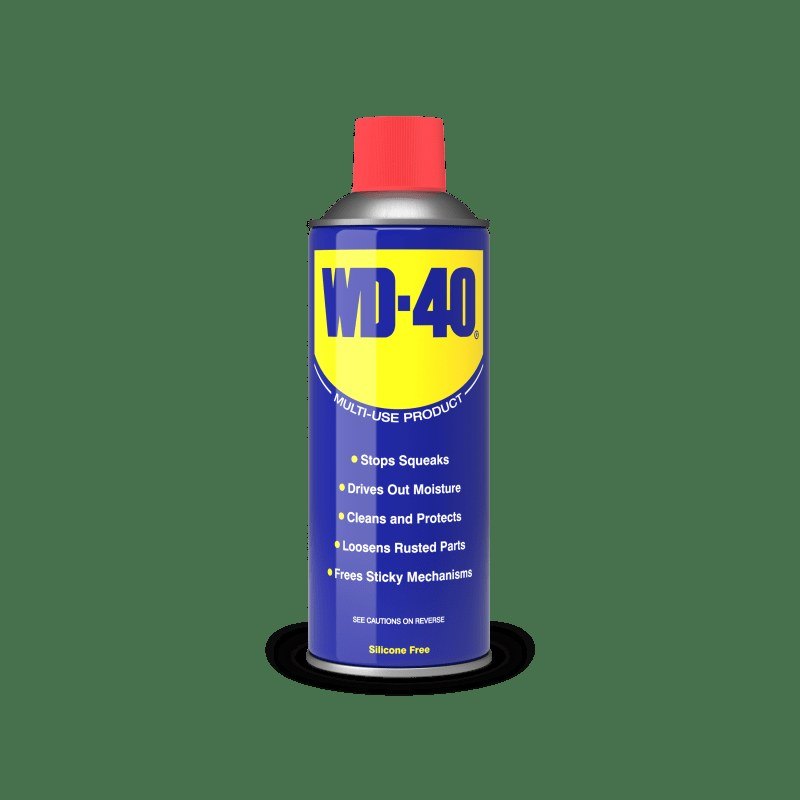
- WD-40 Multi-Use or the pocket-size WD-40 100 ml
- Dry cloths or damp wipes
- Warm water and soap
- Two small containers
- White vinegar
- Stiff-bristled or wire brush
Important: Do not use vinegar on keys with a plastic head, chip or immobiliser: they must not be soaked. On such keys clean only the metal blade with a cloth and lubricant.
Step 1
Remove surface dirt
Rub the key vigorously with a dry cloth or a damp wipe. This removes dust, grease and any rust that has not yet bitten into the metal, making the next steps easier.
Leave any stains that will not wipe off: they come next.

Step 2
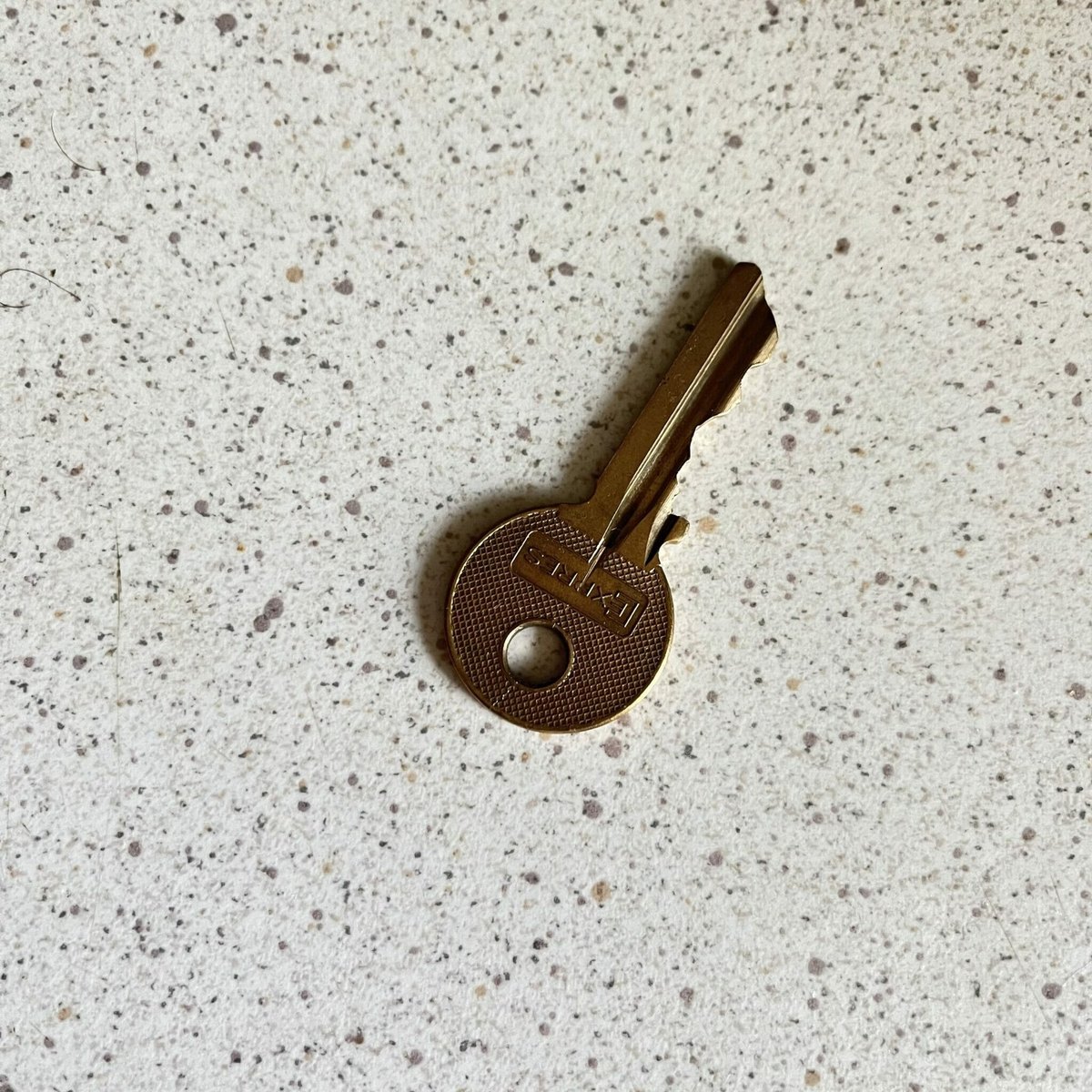
Soak in soapy water
In the first container mix warm water and soap and leave the keys in it for 10-15 minutes. The solution softens the top layer of oxide and the dirt in the cuts.
Then rinse the keys with clean water and dry them.
Step 3
Treat with vinegar
Pour enough vinegar into the second container to cover the key completely and warm it for a few seconds in the microwave. Do not dilute it with water, or the acid will work less well.
Leave the key in the warm vinegar for about 3 hours, longer if the rust is heavy. Lemon juice can stand in for vinegar, but it works more slowly.
Step 4
Scrub off remaining rust
Take the key out, rinse it and scrub with a stiff brush, especially the cuts and grooves. Heavy corrosion sometimes needs a second soak and scrub.
Dry the key thoroughly straight away: wet metal rusts very quickly after vinegar.
Step 5
Protect the key from new rust
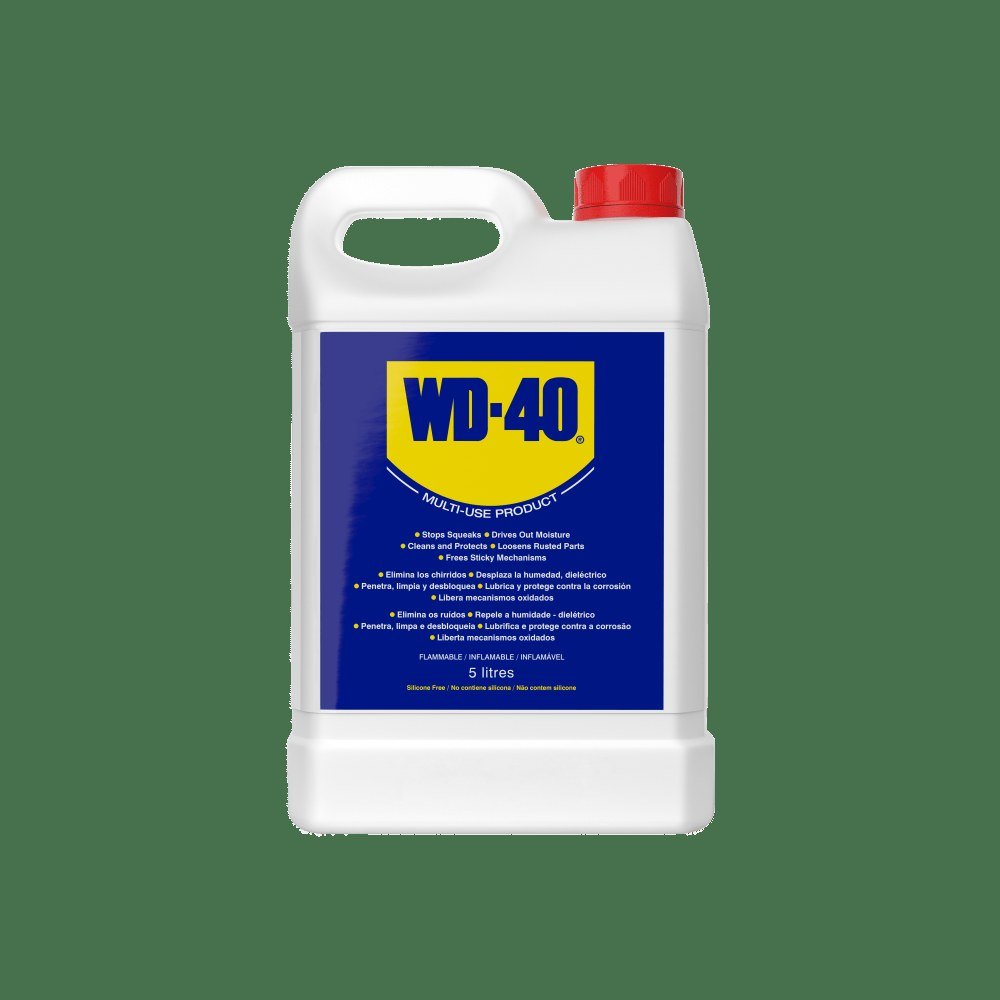
Apply WD-40 Multi-Use to the key and leave it for a few minutes to work into micro-cracks and grooves. Then wipe off the excess with a clean dry cloth.
The lubricant displaces moisture, protects the metal from corrosion and restores a neat shine. The WD-40 100 ml can is handy to keep in a kitchen drawer.
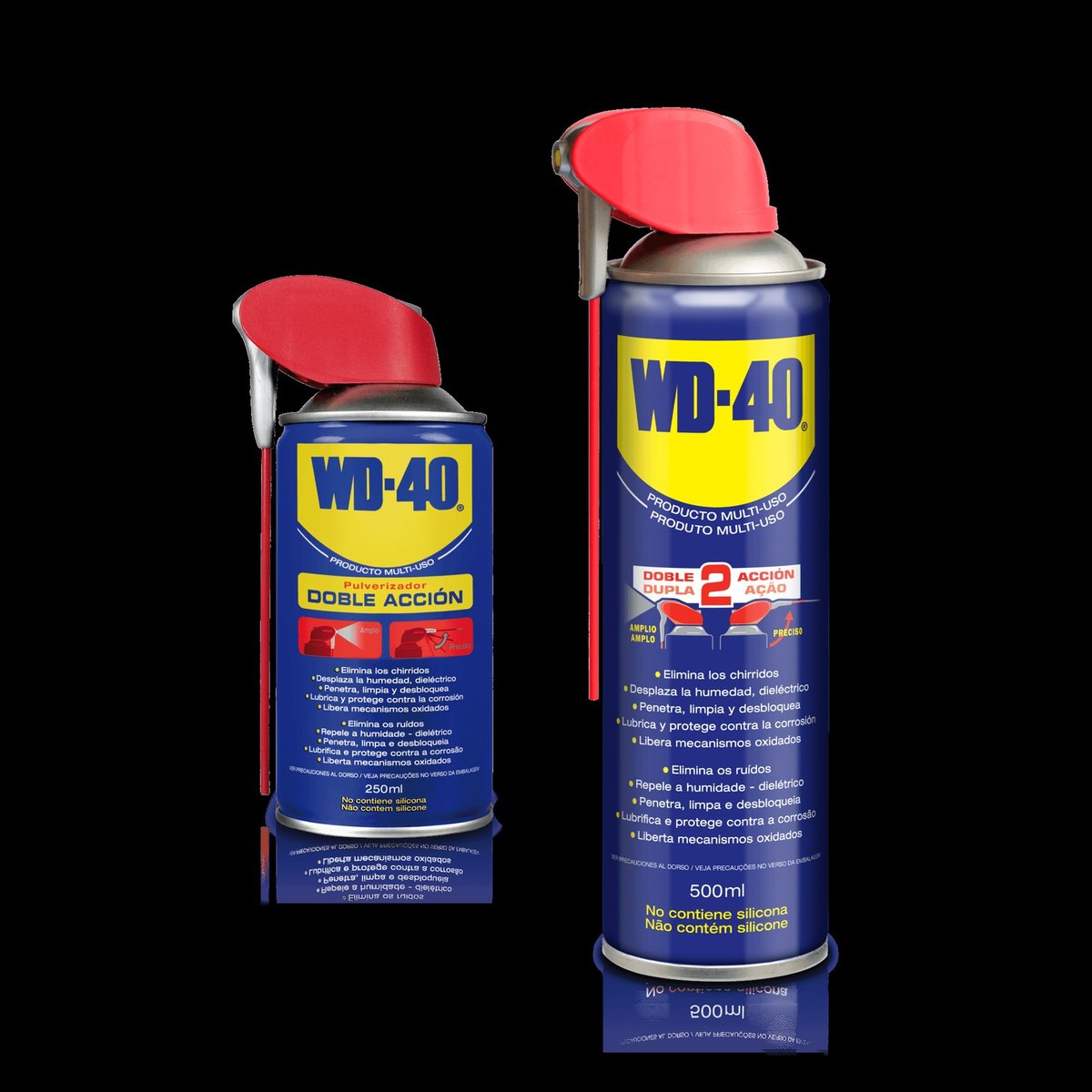
Tip: If the key was stiff in the lock because of rust, treat the cylinder too: give a short burst of lubricant into the keyway with the
WD-40 Smart Straw, insert and turn the key a few times, then wipe the key clean.
What next
Store spare keys somewhere dry rather than in the garage or cellar. Every six months wipe them with a cloth and a drop of WD-40: it takes a minute and prevents rust returning, especially in winter when keys are carried in damp clothing.
These uses come from the experience of WD-40 users in many countries. Always follow the instructions and warnings on the product label.
More guides in «How to use».