Hedge trimmer blades work like a guillotine: one blade is fixed and the other slides along it. Leaves, wood dust and resin build up between them as you cut. The deposits push the blades apart, the cut gets ragged and the motor is overloaded.
Service the trimmer at the start and end of each season and give it a quick clean after every use. It extends the life of the blades and motor and, through a damp autumn and winter, keeps rust off the steel.
What you will need
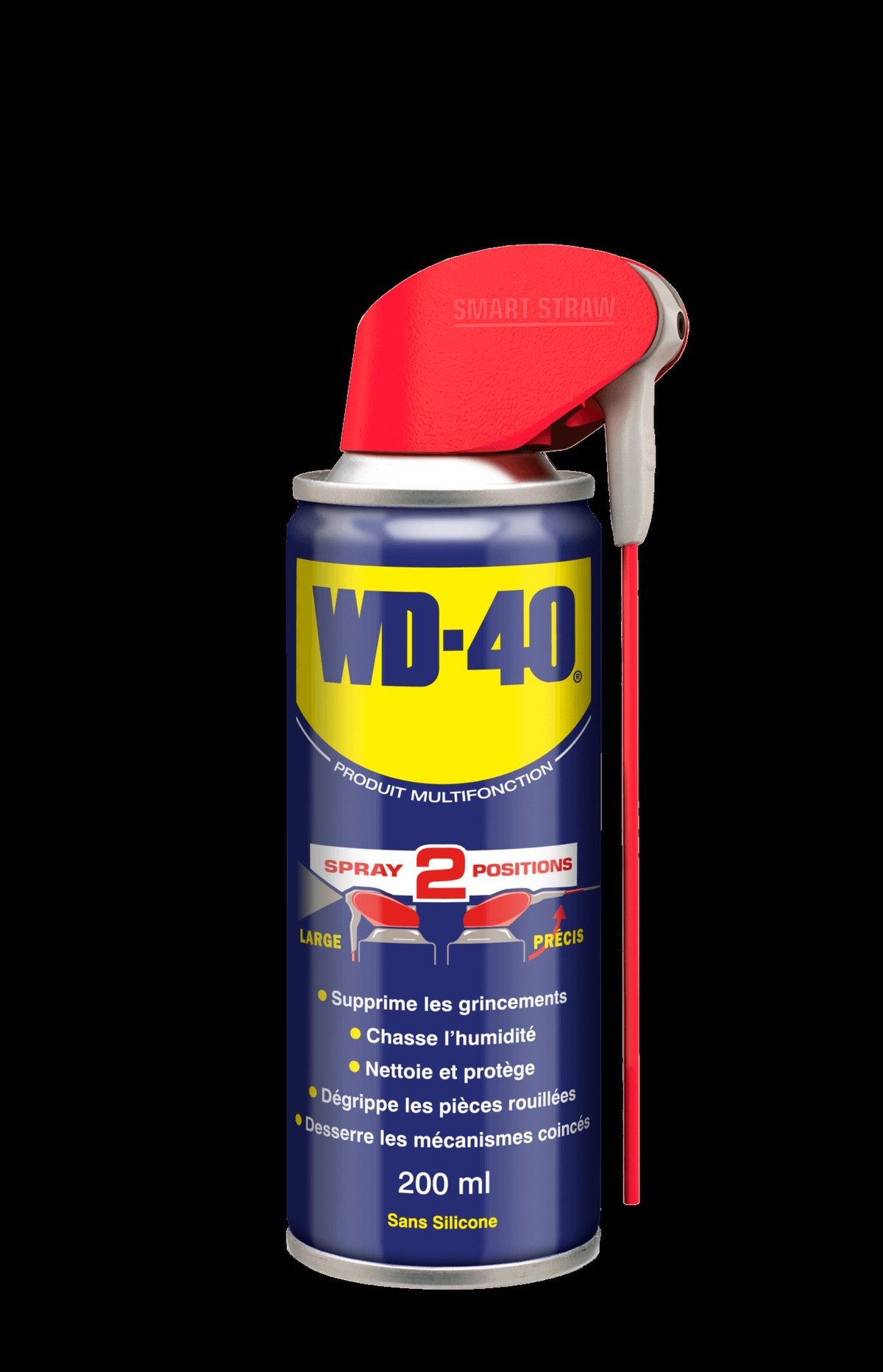
- WD-40 Multi-Use
- WD-40 Smart Straw for precise application
- nylon and stiff brushes, a screwdriver
- soapy water, alcohol or methylated spirit, cloths or paper towels
- fine abrasive paper (around 280 grit)
- protective gloves and glasses, compressor for petrol models
Important: Before any work, switch the trimmer off and unplug the cable or remove the battery. On a petrol model, pull the cap off the spark plug. Whenever you are not working on the blades, fit the blade cover.
Step 1
Prepare the trimmer and remove loose dirt
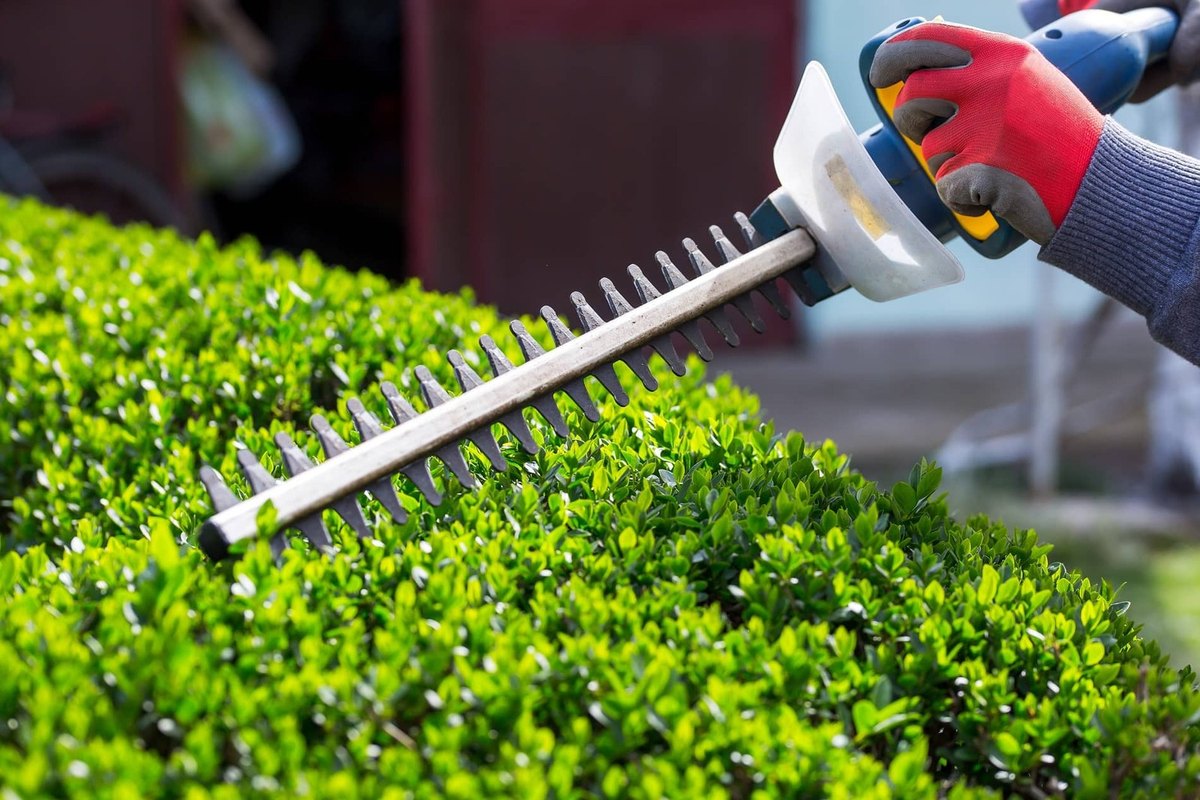
Disconnect the power and put on gloves and glasses. Pull out leaves and twigs by hand, then brush each tooth with a nylon brush. A screwdriver helps to clear dirt around the screws.
Step 2
Dissolve the resin
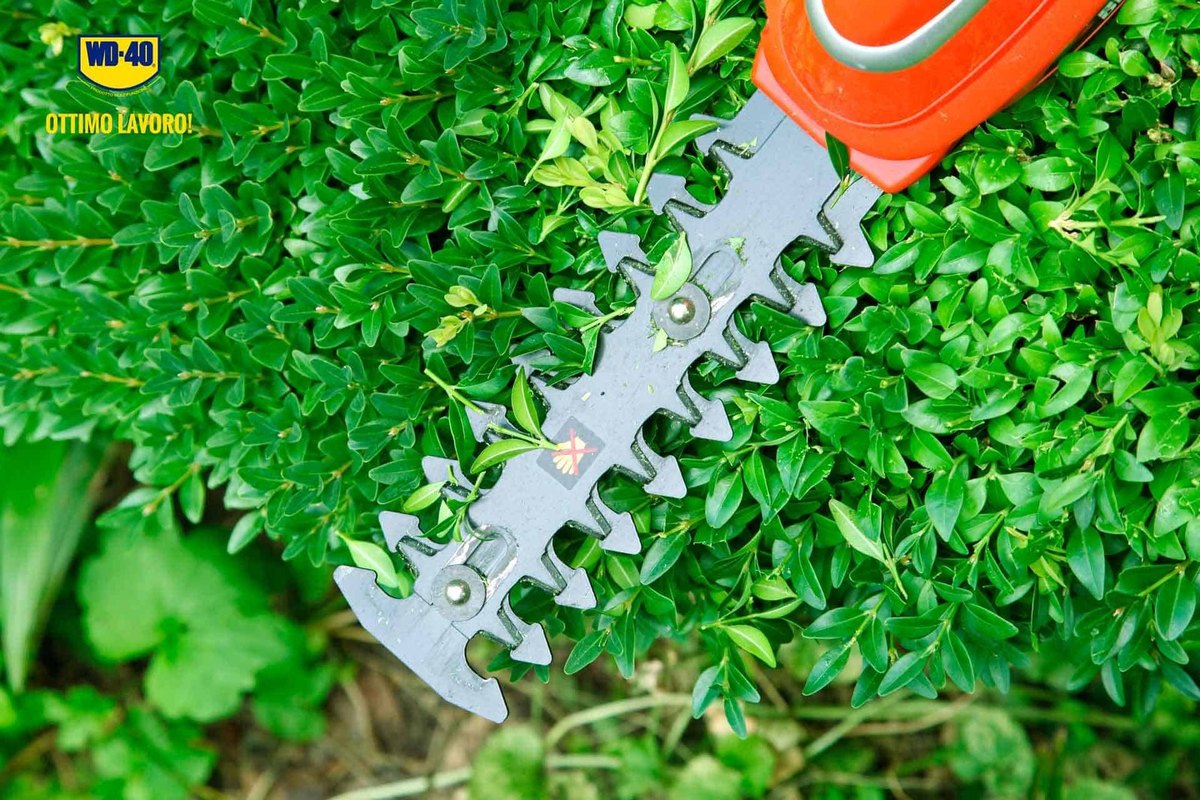
Spray WD-40 Multi-Use generously on both sides of the blades. On an electric model you can run the trimmer for a few seconds, holding it firmly, so the product works between the blades, then disconnect it again. Let it soak, scrub with the brush and wipe dry.
If there is only a little resin, try soapy water and a stiff brush first. After washing, always wipe and air dry the blades so no moisture remains.
Step 3
Remove rust
If the trimmer has stood unlubricated for a long time, rust appears on the blades. Apply WD-40 Multi-Use, spread it, then rub the rusty areas with fine abrasive paper. Wipe clean and repeat if needed.
Step 4
Disinfect the blades
Wet a cloth with alcohol or methylated spirit and wipe the blades. This kills bacteria and fungal spores that would otherwise spread along the hedge. Harsh products such as diluted bleach should only be used if you rinse them off with water afterwards.

Step 5
Clean the filters on a petrol trimmer
Blow out the air filter with a compressor and replace it if it is damaged or badly clogged. If the fuel filter inside the tank is dirty, replace it too, or the engine will be starved of fuel.
Step 6
Lubricate and protect the blades
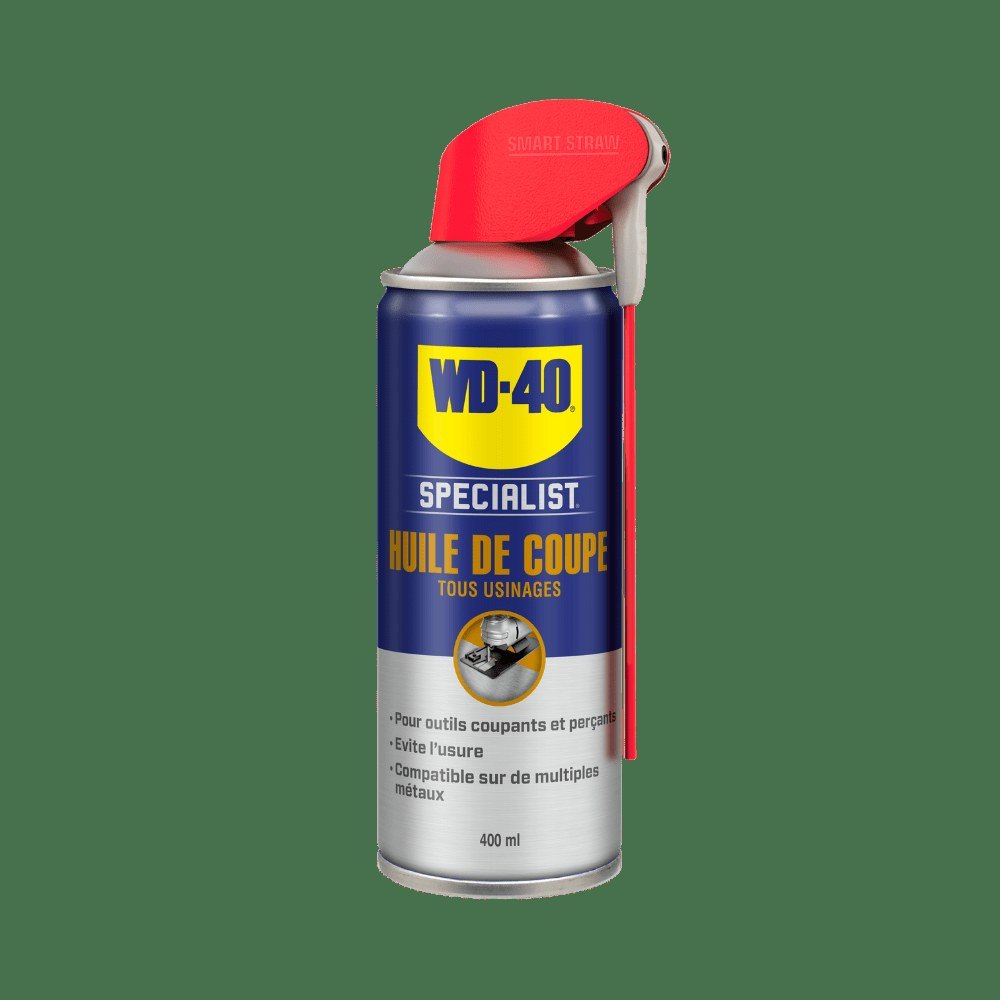
Apply WD-40 Multi-Use to the blades and spread it evenly with a cloth. It helps the blades slide and leaves a protective film against moisture. Treat joints, screws and the gearbox area precisely through the straw of WD-40 Smart Straw. Finally fit the blade cover.
Tip: Do not sharpen hedge trimmer blades on a grinding wheel yourself unless you are experienced: the factory angle is very precise. Noticeably dull or bent blades are best sent to a service centre.
What next
Clean and lubricate after every trim and do a full service including filters twice a year. Store the trimmer in its cover in a dry place, and see our guides to pruning shears and brush cutters for the rest of your garden kit.
These uses come from the experience of WD-40 users in many countries. Always follow the instructions and warnings on the product label.
More guides in «How to use».