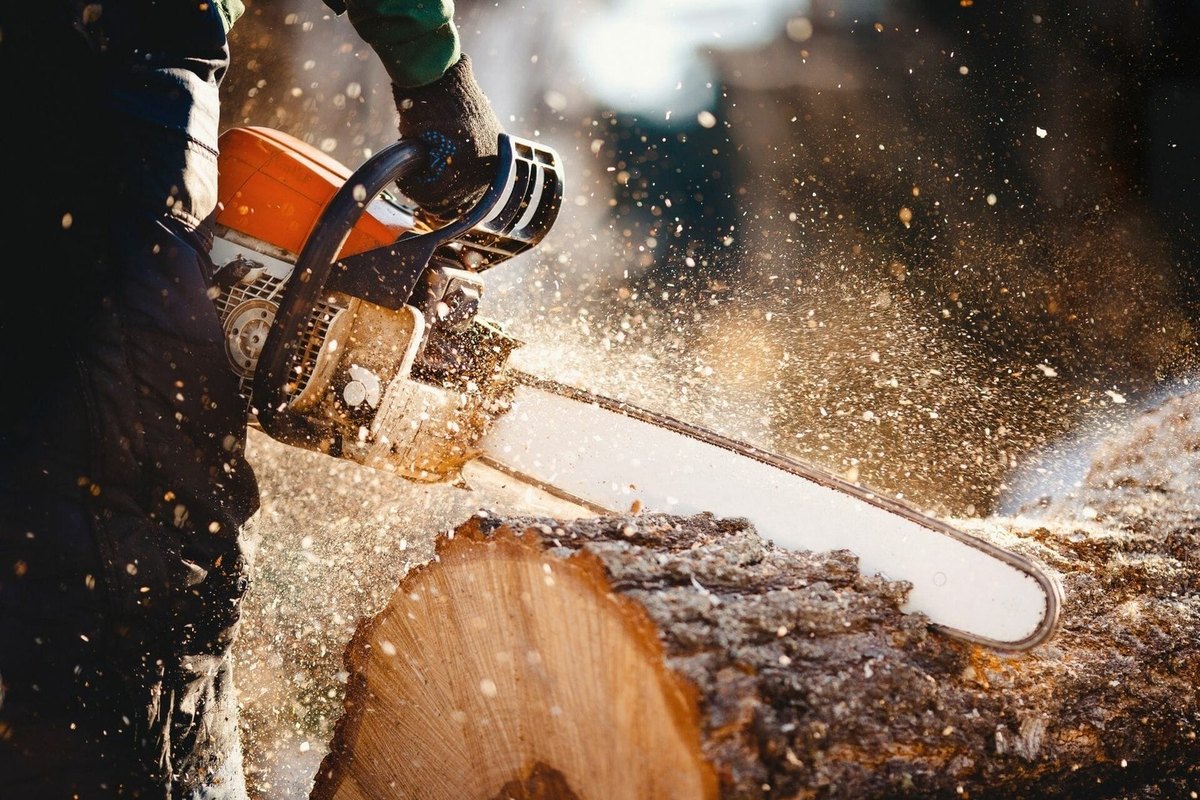
Chainsaws are no longer just for professionals: petrol, corded or cordless, there is one in almost every rural household. In use, resin, sap and sawdust mix with chain lubricant into a sticky paste that drags on the chain and speeds up wear.
Maintenance covers two areas: the cutting gear (chain, bar and sprocket) and the engine. Regular cleaning also makes the saw safer, because a dirty, blunt chain is more likely to kick back, and a protective film prevents rust when the saw is stored in a damp shed.
What you will need
Important: Wear sturdy gloves and safety glasses: the chain cutters are very sharp. Unplug an electric saw, remove the battery from a cordless one, and on a petrol saw drain the fuel and pull off the spark plug cap.
Step 1
Prepare the saw
Lay the saw on a stable workbench with its base flat and the chain clear of everything. Make sure it is disconnected or the fuel is drained. Release the chain brake first, otherwise the bar will not come off.
Step 2
Remove the chain and bar
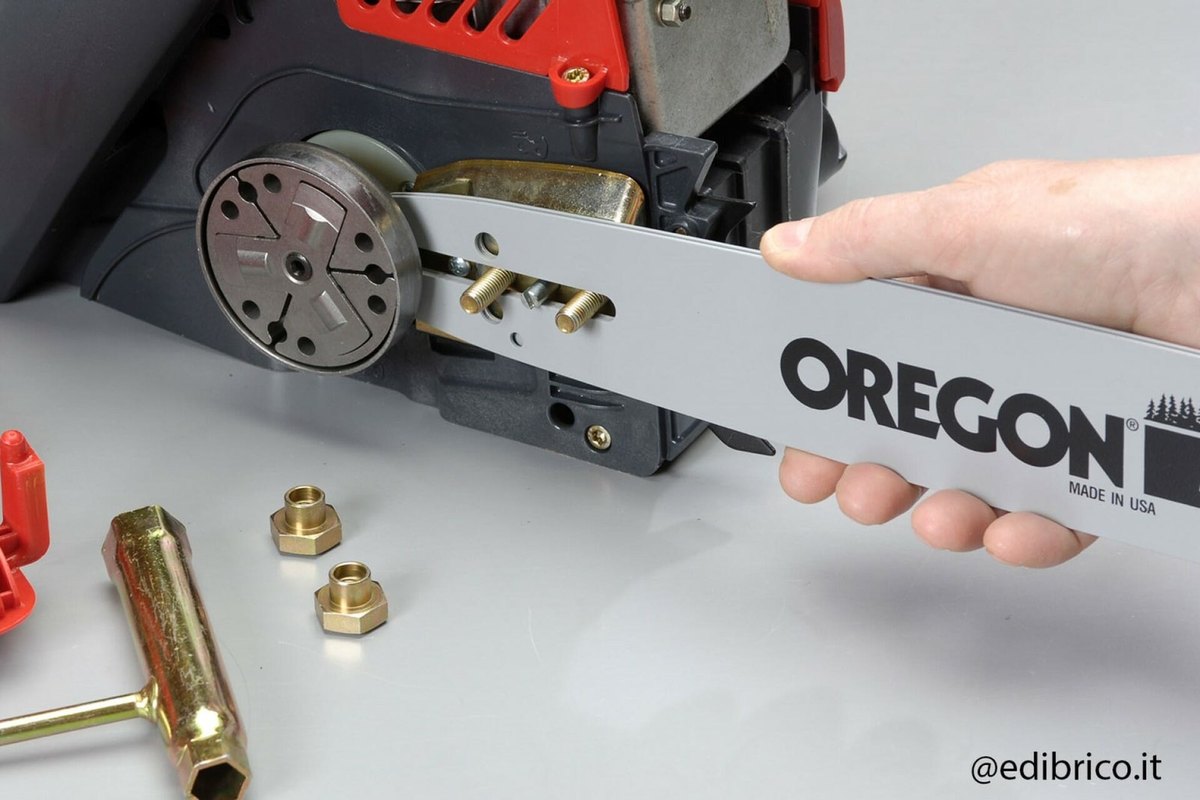
Slacken the tensioning screw, undo the side cover nuts and take off the sprocket cover. The bar and chain now lift off the drive sprocket. Usually two nuts are all there is, but check the manual for your model.
Step 3
Clean the bar
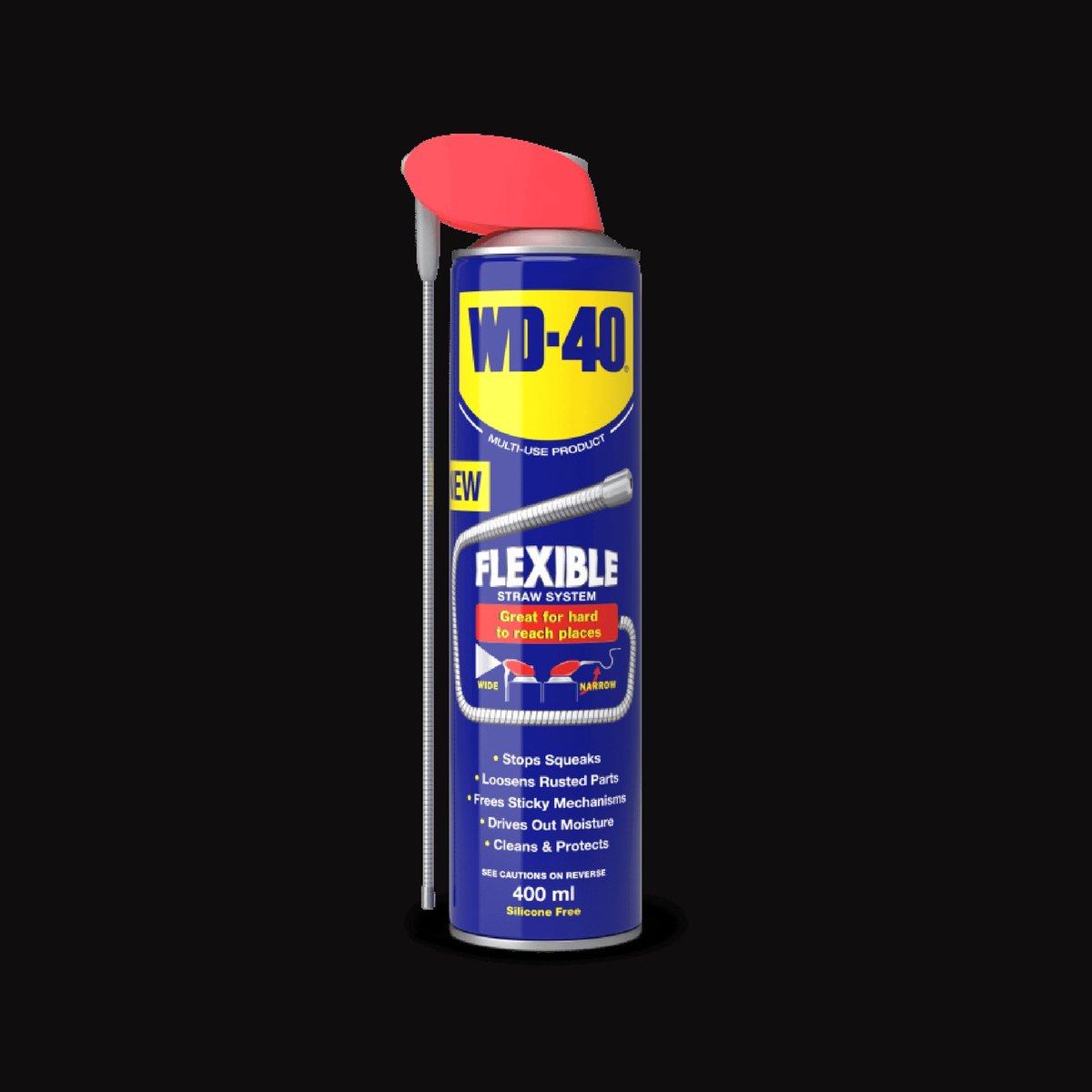
Dampen a cloth with a mix of WD-40 Multi-Use and warm water and wipe dust and old lubricant off the bar. Scrub stubborn dirt with a stiff brush and clear the groove the chain runs in all the way round with a narrow tool. Blow out the bar oil holes with a compressor.
Step 4
Clean the chain, sprocket and cover
Over a basin, spray WD-40 Multi-Use generously on the chain, drive sprocket and inside of the cover, leave it for a few minutes and brush until the resin is gone. A very dirty chain can soak for 10-15 minutes in warm soapy water, then be rinsed, wiped and hung up to dry.
Inspect the cutters: sharpen blunt ones with a round file of the right diameter, giving each tooth the same number of strokes.
Step 5
Protect and reassemble
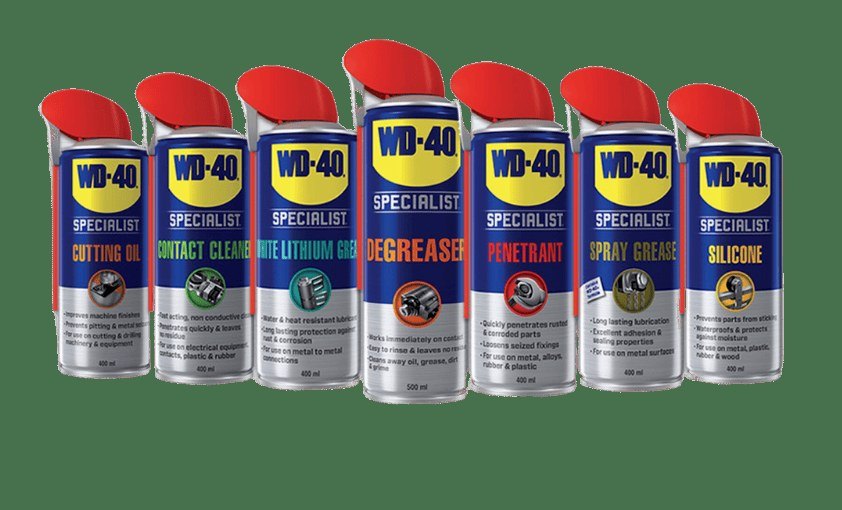
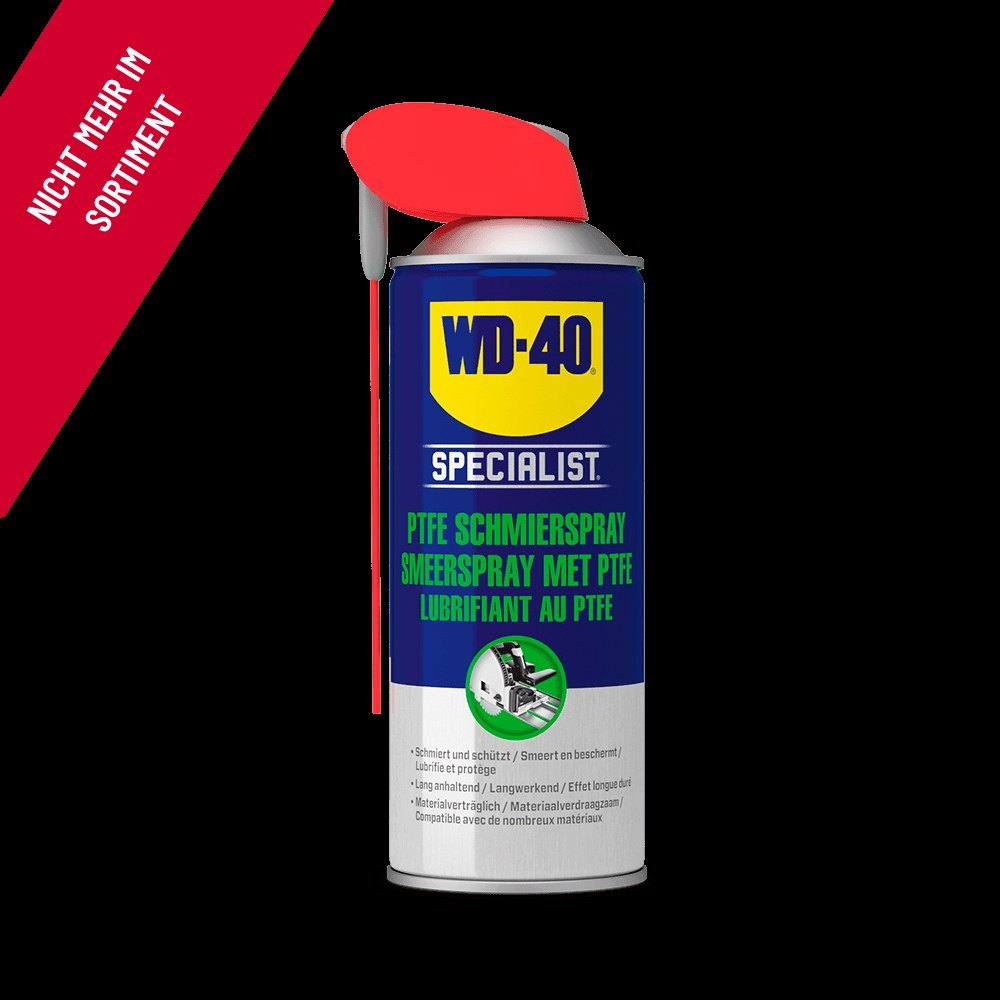
Treat the dry chain and bar with WD-40 Multi-Use and wipe with a dry cloth: the thin film protects the metal from corrosion. Refit the bar and chain and set the tension: on a cold saw the chain should sit snugly against the bar yet pull round freely by gloved hand. Grease the threads of the nuts and tensioning screw with WD-40 Specialist White Lithium Grease.
Step 6
Grease the nose sprocket and check the oiler
If the bar has a nose sprocket with a grease hole, use a grease gun to inject the grease the manufacturer recommends until it comes out, turn the sprocket and wipe off the surplus. Fill the reservoir with chain lubricant and check that the automatic oiler works when you first start up.
Step 7
Check the petrol engine
If the saw is hard to start or runs unevenly, remove the spark plug, clean off carbon with a brass brush and replace it if the electrodes are worn. Clean the air filter and replace it if necessary. Treat the throttle and safety levers through the straw of WD-40 Smart Straw. If problems persist, leave the carburettor to a service centre.
Tip: Before winter storage, run the engine until the remaining fuel is used up, treat the chain and bar with
WD-40 Multi-Use and store the saw with the bar cover on in a dry place.
What next
Clean the chain and bar after every job, especially after cutting resinous conifers, and do a full service including the engine at least once a season. See our brush cutter and hedge trimmer guides for the rest of your garden machinery.
These uses come from the experience of WD-40 users in many countries. Always follow the instructions and warnings on the product label.
More guides in «How to use».