Clean, sharp tools make garden work faster and easier. Soil and sap left on blades hold moisture and start rust quickly, and they can also carry disease and fungus from one plant to another.
Anything with screws, pivots, springs or blades needs care: secateurs, loppers, hedge shears, spades, hoes and axes. Ideally wash your tools after every use and give them a thorough service twice a year, in spring before the season and in autumn before winter storage.
What you will need
Important: Wear glasses and gloves when removing rust and sharpening, and a dust mask when sanding. Do not apply lubricant to surfaces that come into contact with food.
Step 1
Wash off dirt and remove rust
Take apart tools with moving parts where possible: secateurs and shears are much easier to clean disassembled. Hose off soil and scrub with detergent, and remove sap and resin with a solvent or a cloth and WD-40 Multi-Use.
Use a wire brush to clean dirt and rust off the metal, and tackle heavier rust with steel wool or sandpaper. Then dry every part thoroughly.
Step 2
Sand handles and metal
Go over wooden handles with medium-grit sandpaper to remove splinters and worn finish. Use the same paper to clear rust from crevices and lightly polish the metal.
Afterwards wipe the tools with a clean cloth to remove metal and wood dust.
Step 3
Sharpen your secateurs
Sharp blades cut cleanly, and a clean cut heals faster on the plant. Sharpen secateurs with a whetstone, keeping the original bevel angle. Remove burrs from the flat side first, then work only the bevelled side of the blade with curved strokes.
Sharpen them at the end of every season so they are ready for pruning in spring.
Step 4
Sharpen the other tools
Spades, hoes, axes, loppers and hedge shears also work better with a keen edge. Use sandpaper or a file and always push it away from your body in one direction.
Do not oil the metal while sharpening: the file clogs with filings and stops cutting.
Step 5
Lubricate and protect against rust
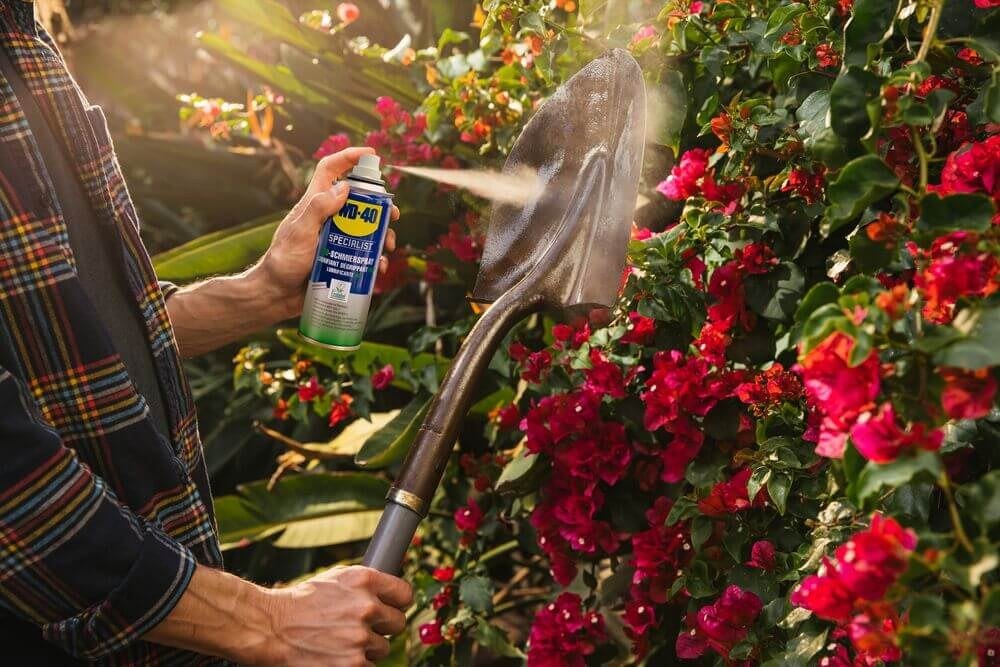
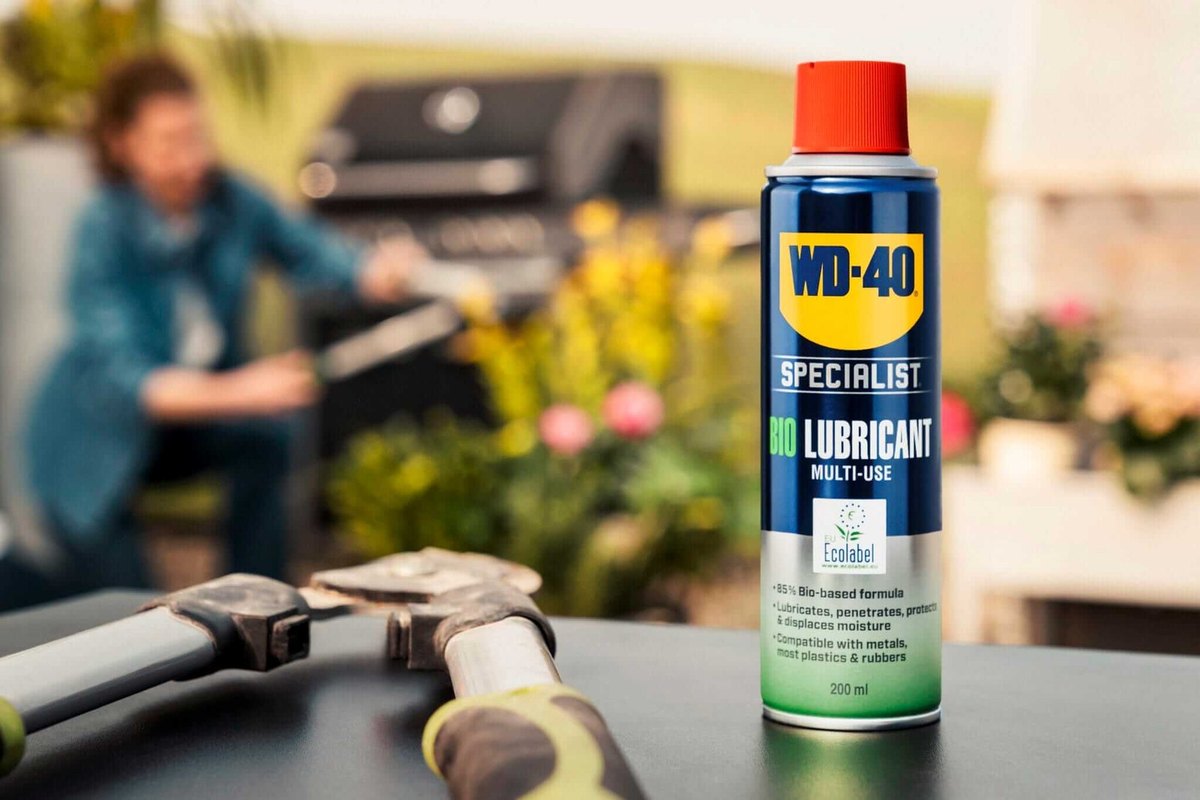
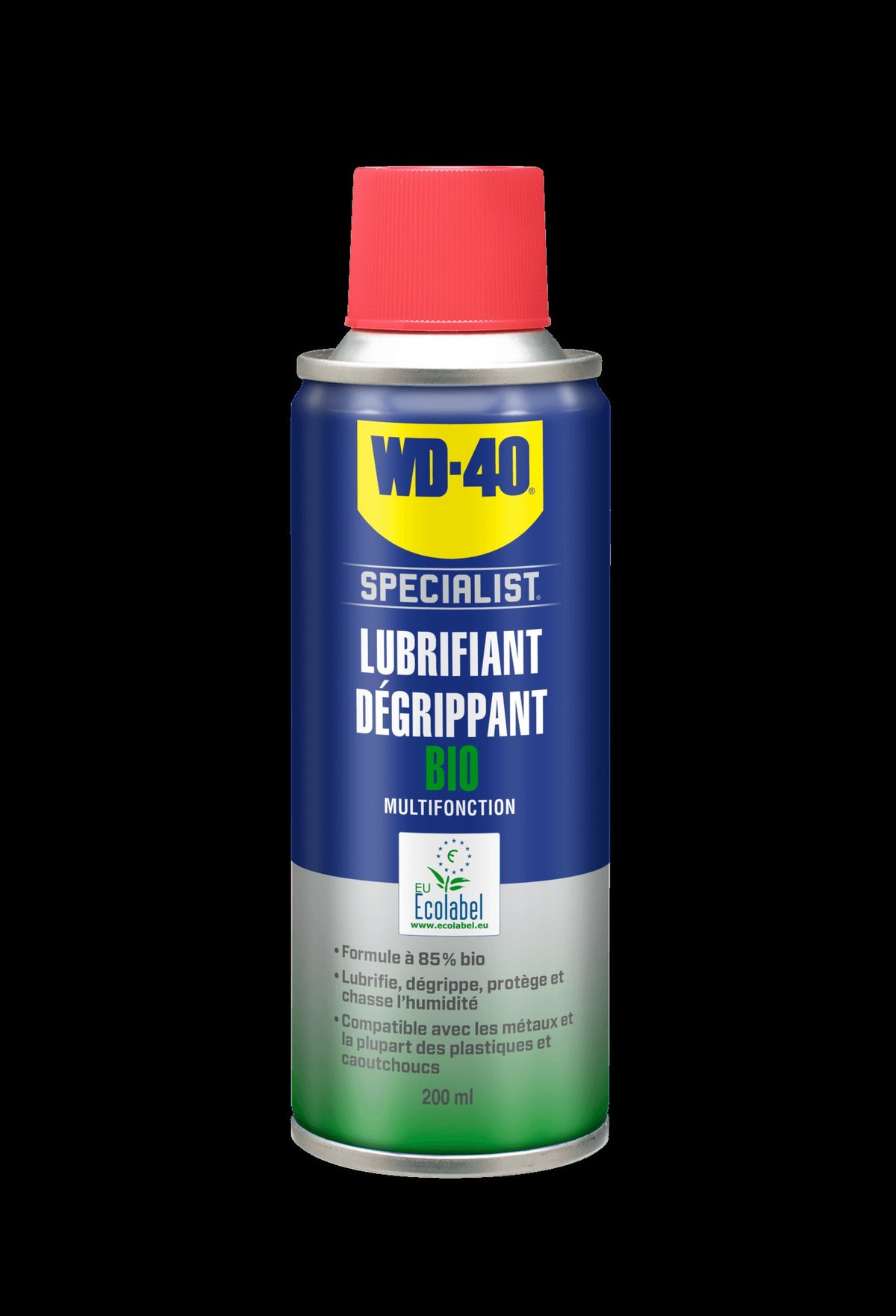
Cleaning alone will not protect the metal from moisture. Apply WD-40 Multi-Use to blades, screws, springs and all metal surfaces: it displaces moisture, leaves a water-repellent film and frees up moving parts. For spades, rakes and lots of tools, WD-40 Trigger Pro is quicker to use.
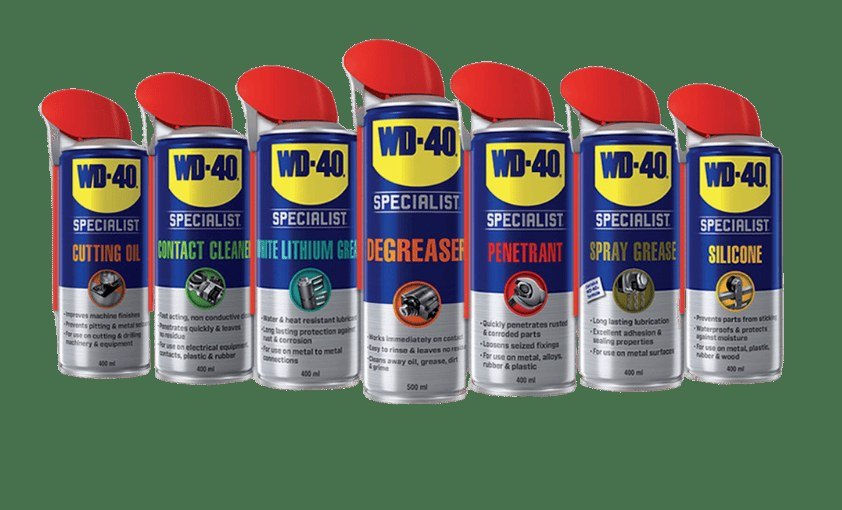
Once reassembled, put a drop of WD-40 Specialist White Lithium Grease on the pivot of secateurs, loppers or shears: it stays in the joint longer and does not wash out when working in wet grass.
Step 6
Maintain regularly and store properly
Rinse off wet soil after every use, as it is the main cause of rust. Wipe tools dry or leave them to dry in the sun, and every couple of months wipe the metal with WD-40 Multi-Use.
Do not stand tools on their edges or leave them in the ground; hang them on a wall instead. Store them in a dry, ventilated shed rather than a damp cellar.
Tip: Keep a bucket of dry sand lightly dampened with lubricant by the shed door. Plunging a spade into it a few times after work removes soil and leaves a protective film on the metal.
What next
Give tools a thorough service in spring and autumn and a quick wash and wipe after every job, and your secateurs and spades will last for many seasons. For handle and metal care see our guide to maintaining hand tools, and keep WD-40 Specialist White Lithium Grease to hand for pivots.
These uses come from the experience of WD-40 users in many countries. Always follow the instructions and warnings on the product label.
More guides in «How to use».