A wheelbarrow does the heaviest work in the garden and on building jobs: soil, manure, sand, paving and sacks of fertiliser. That is exactly why its tub soon gets caked in dirt and rust, the tyre goes soft and the axle starts to squeak and drag.
Even an old rusty barrow found in a shed can be brought back to life in a few hours, and regular care a few times a year will stop it getting into that state.
What you will need
Important: Wear glasses, gloves and a dust mask when removing rust. Paint outdoors or in a well-ventilated space.
Step 1
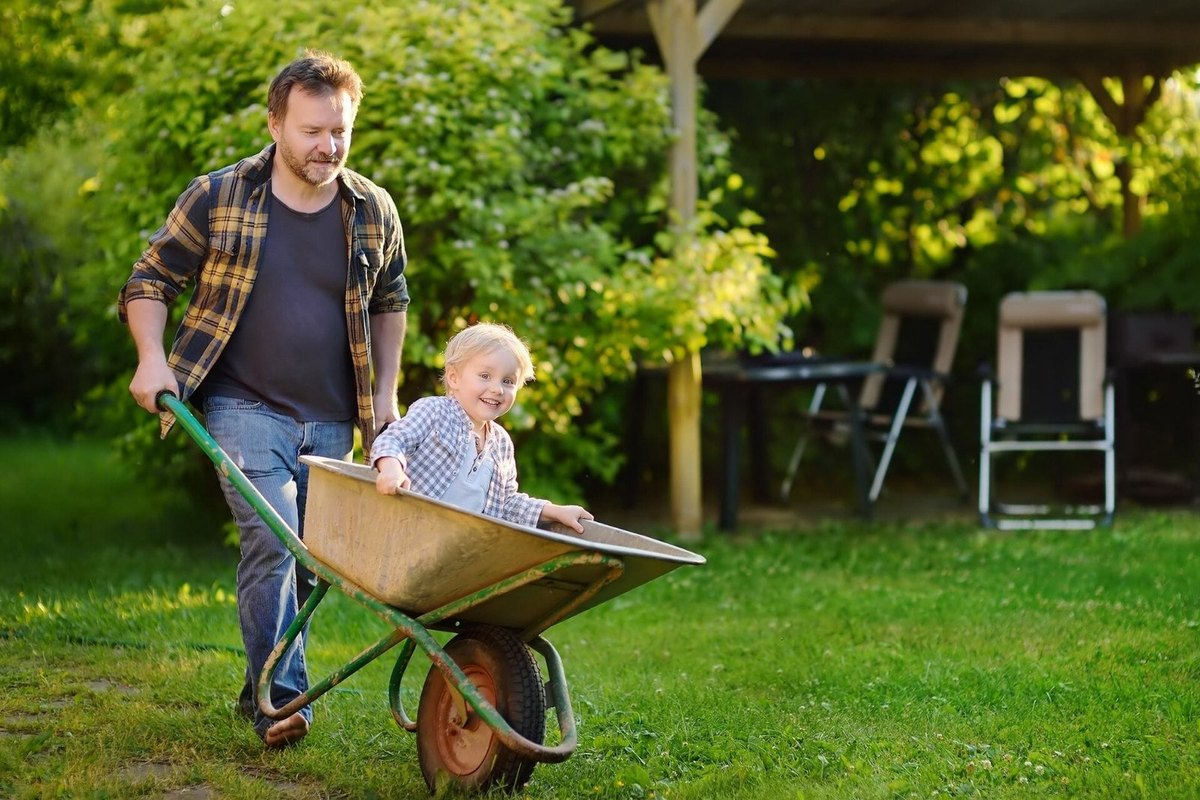
Clean the tub
Brush out the tub after every use, before soil, grass or mortar dries. Caked-on dirt holds moisture, and that is where corrosion starts fastest.
If dirt has set hard, wash the barrow with a hose or pressure washer and soapy water and let it dry completely.
Step 2
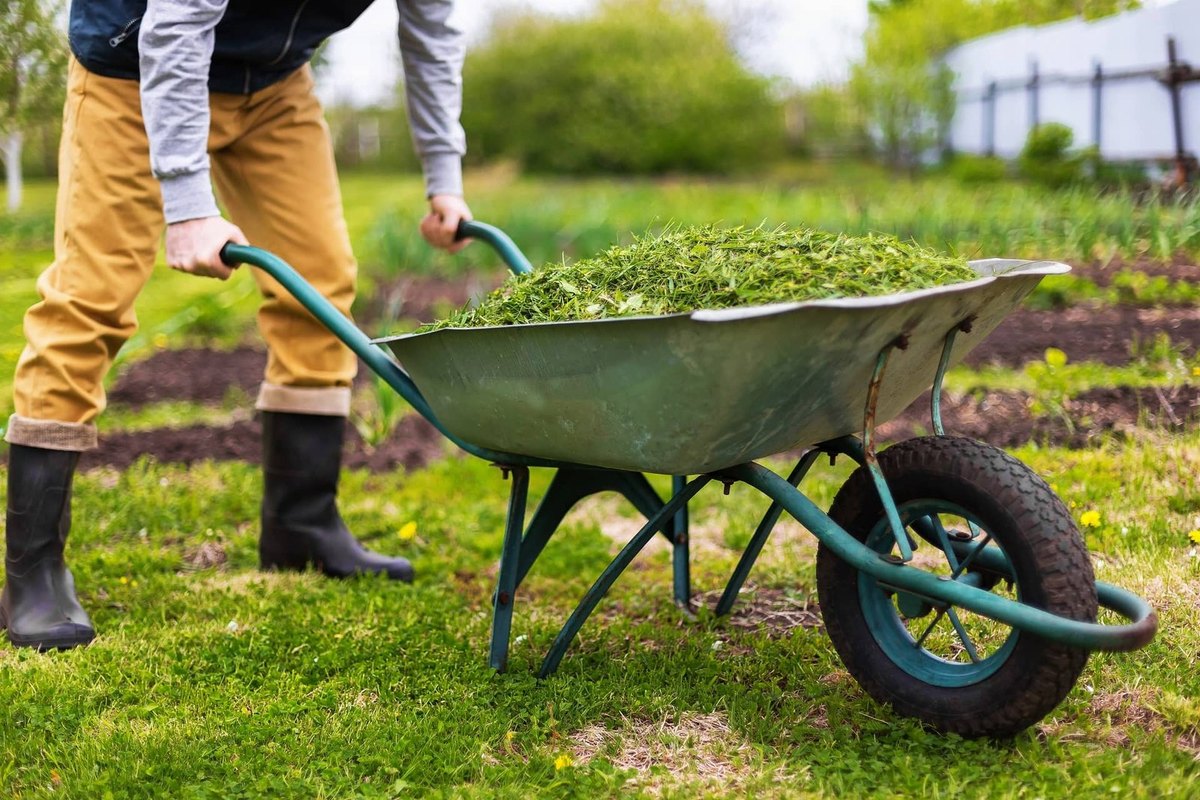
Remove rust
Spray rusty areas with WD-40 Multi-Use and leave it for a few minutes: it gets under the rust and loosens it. For the large surface of the tub, WD-40 Trigger Pro is quicker to use.
Then scrub off the loosened rust with a wire brush or coarse sandpaper, taking deep patches back to bare metal. Wipe off dust and residue with a clean cloth.
Step 3
Prime and paint
Bare, unprotected metal will rust again within weeks, so after sanding degrease it and apply a rust primer. Once dry, paint the tub with metal paint in two thin coats.
Pay special attention to seams, folds and the underside, where water lingers longest.
Step 4
Check the tyre pressure
Like any vehicle, a barrow needs a well-inflated tyre to roll easily without wearing it out. Check the pressure with a compressor or gauge once or twice a year and whenever it feels soft, especially after carrying heavy loads.
If the tyre keeps getting punctured by twigs and thorns, swap it for a solid puncture-proof wheel.
Step 5
Grease the wheel axle
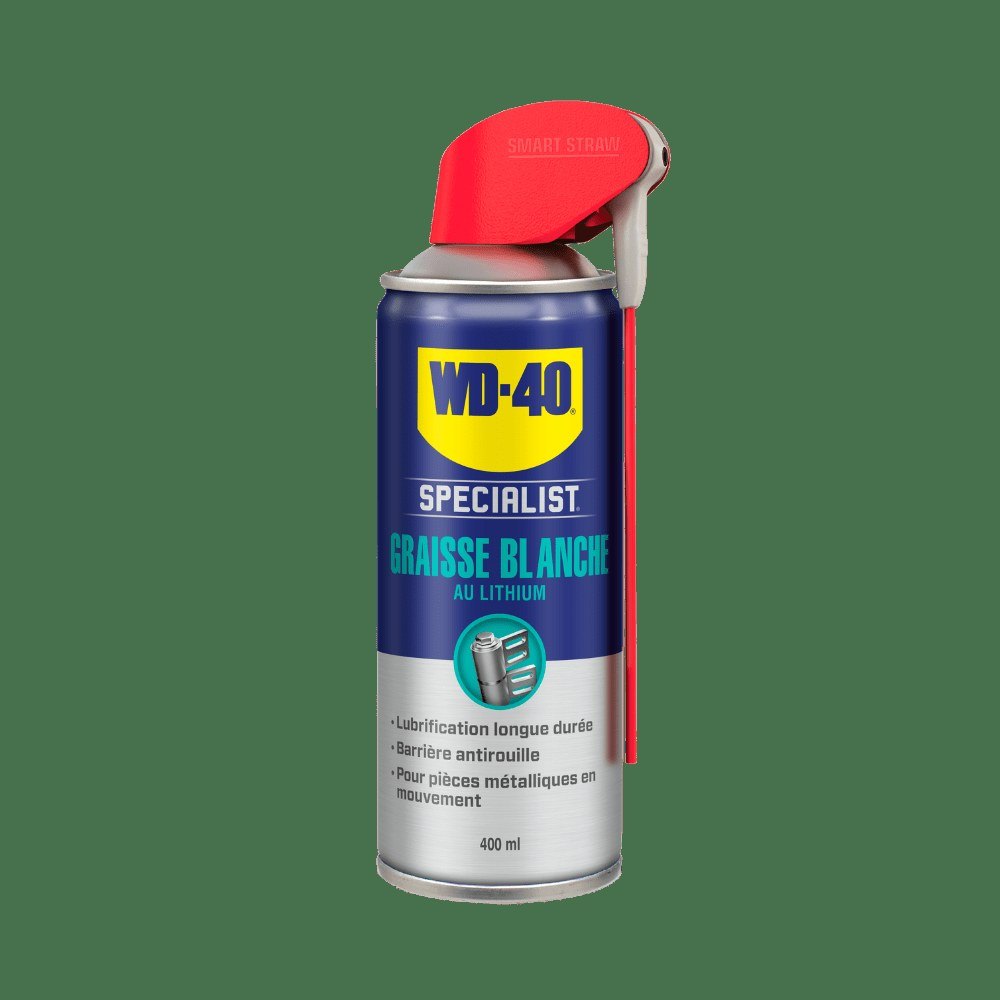
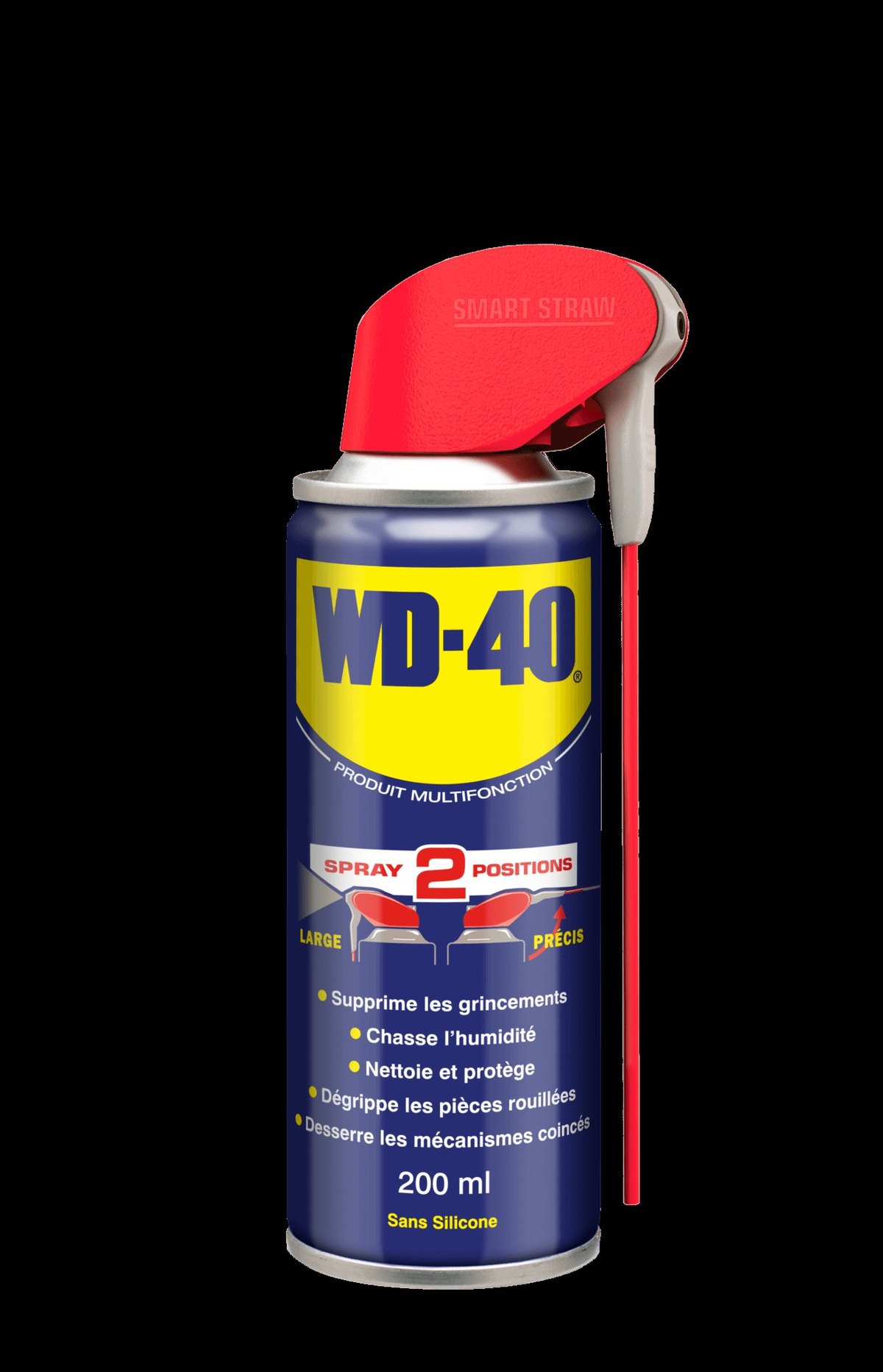
If the wheel squeaks or turns stiffly, first soak the axle and bushes with WD-40 Multi-Use to dissolve dirt and rust and displace moisture.
Then apply WD-40 Specialist White Lithium Grease to the axle and spin the wheel several times. It does not drip, stays where it is applied, resists water and load and protects sliding parts from wear. Wipe off the excess so sand does not stick to it.
Step 6
Care for the handles and store properly
Rough wooden handles cause blisters. Sand them with fine paper and rub in linseed oil, making sure it is dry before storage. Wipe metal handles with WD-40 Multi-Use to protect them from rust.
Store the barrow in a dry place. If you cannot dry it after washing, stand it upright against a wall or turn the tub upside down so the water drains and the metal dries faster.
Tip: Before mixing mortar or moving wet clay, give the tub a light coat of
WD-40 Multi-Use. Less will stick and the barrow will be much easier to wash out afterwards.
What next
Clean the tub after every job, grease the axle in spring and autumn and check the tyre pressure twice a year. For the rest of your garden kit see our guide to garden tool care, and WD-40 Specialist White Lithium Grease is also ideal for gate hinges.
These uses come from the experience of WD-40 users in many countries. Always follow the instructions and warnings on the product label.
More guides in «How to use».