Cordless drivers, grinders and hammer drills work in dust, concrete grit, sawdust and damp. Dirt packs into the battery rails so the pack becomes hard to insert, and oxidation builds up on the contacts. The result is familiar: the tool cuts out under load, or a charged battery is not recognised.
Regular cleaning takes a few minutes and restores a reliable connection between battery, tool and charger.
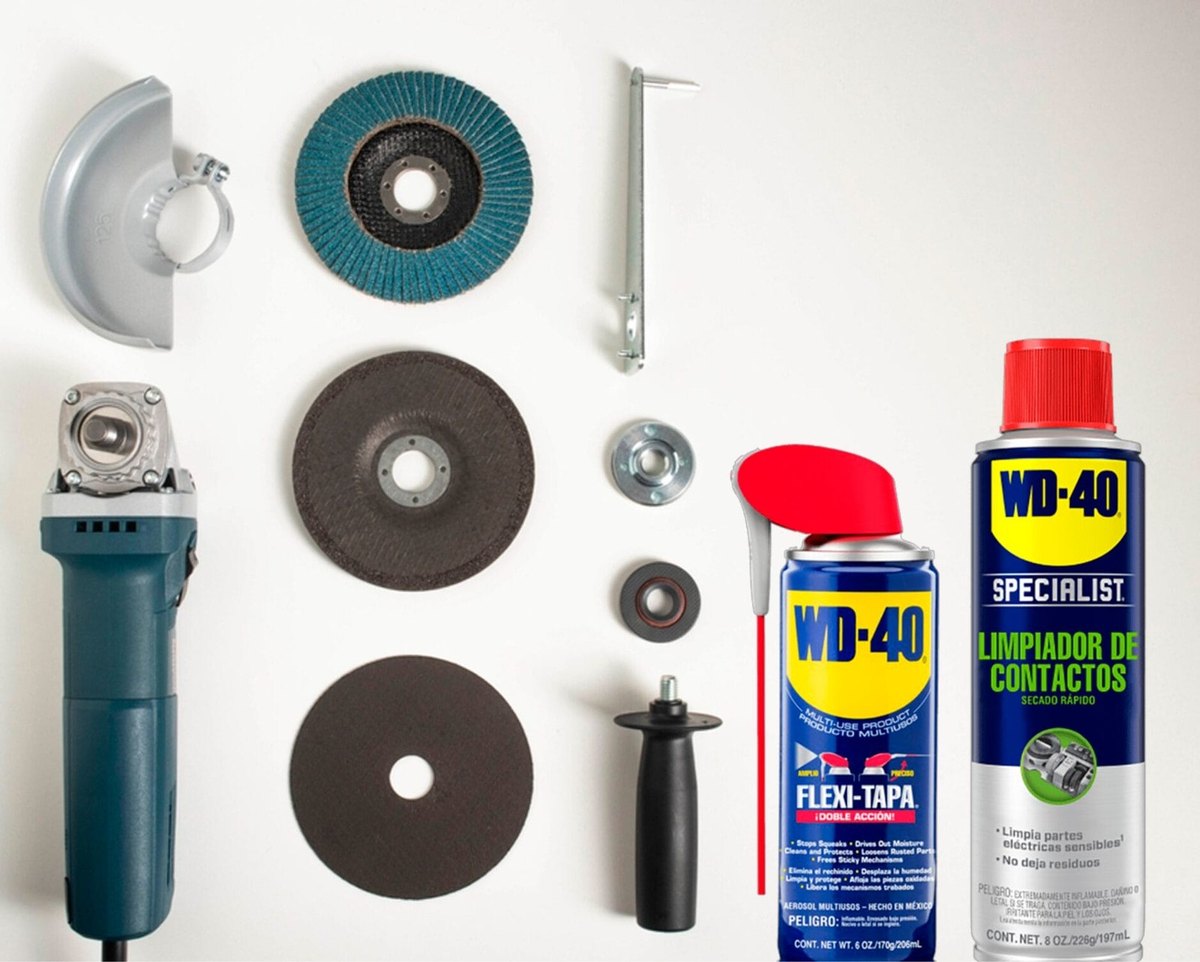
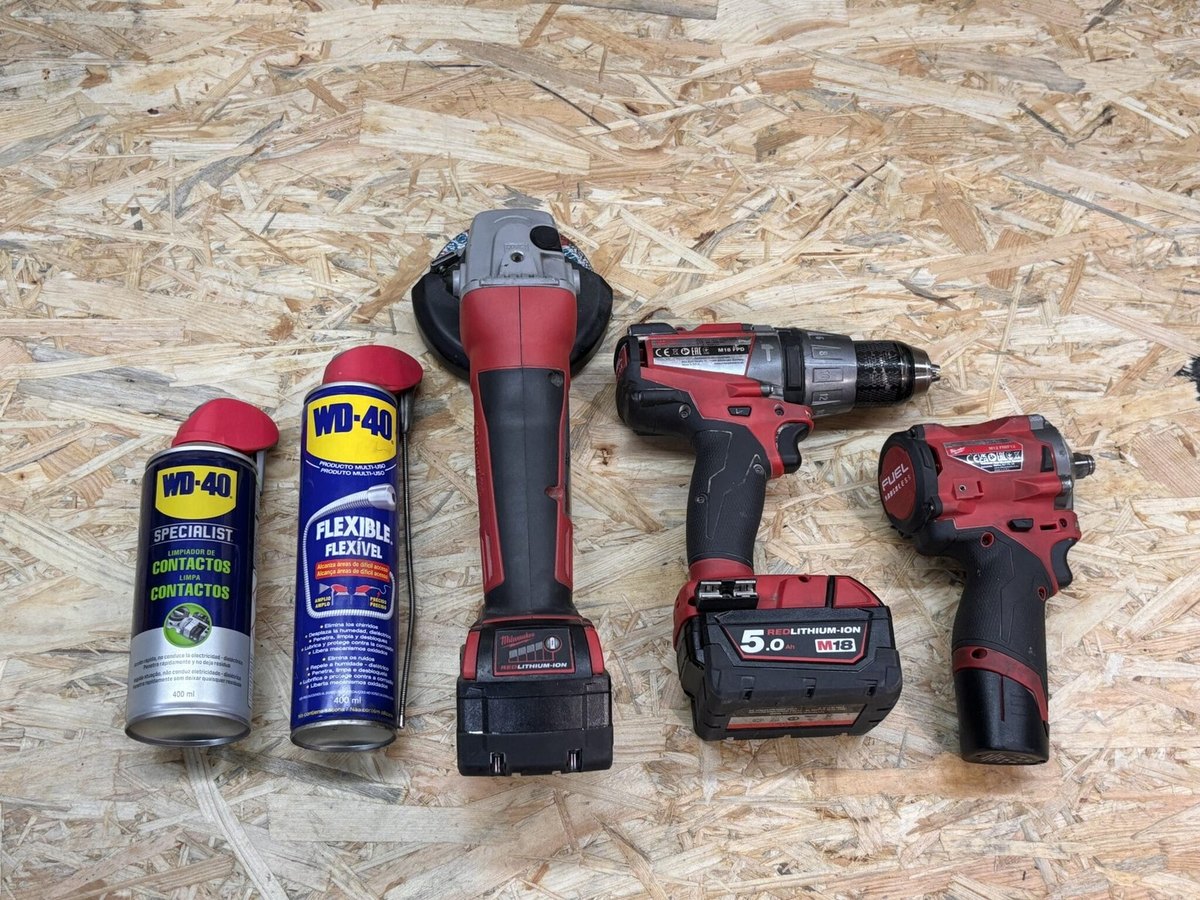
What you will need
Important: Never open the battery casing or short its terminals with metal objects. Do not use or charge a pack that is swollen, cracked, smells burnt or shows signs of leakage; take it for recycling instead.
Step 1
Remove the battery and inspect it
Take the battery out of the tool and unplug the charger. Check the casing, terminals and rails for cracks, melted areas, and darkened or green oxidised contacts.
Step 2
Remove dust and dirt from the casing
Use a dry brush to sweep dust and grit out of the battery rails and the tool's battery slot. Wipe the casing with a slightly damp, well wrung-out microfibre cloth. Do not pour water and keep the damp cloth away from the contacts.
Step 3
Clean the contacts
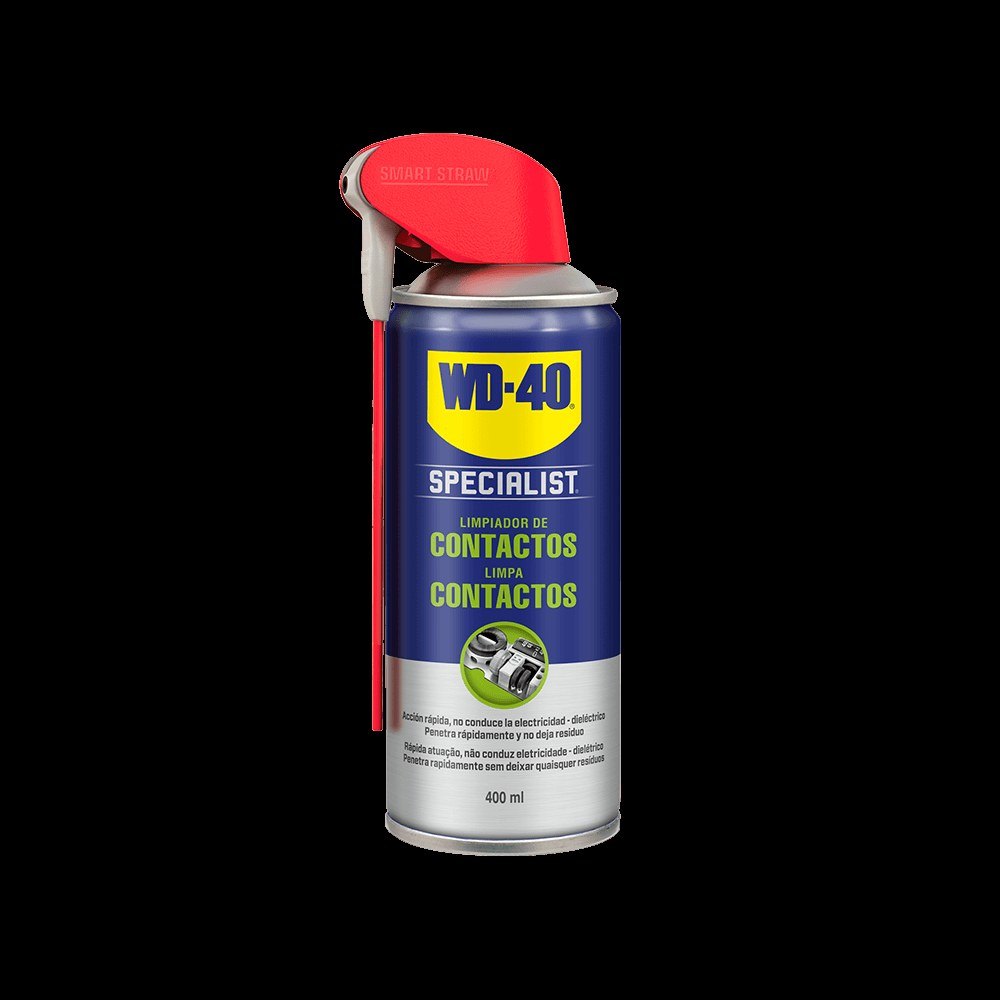
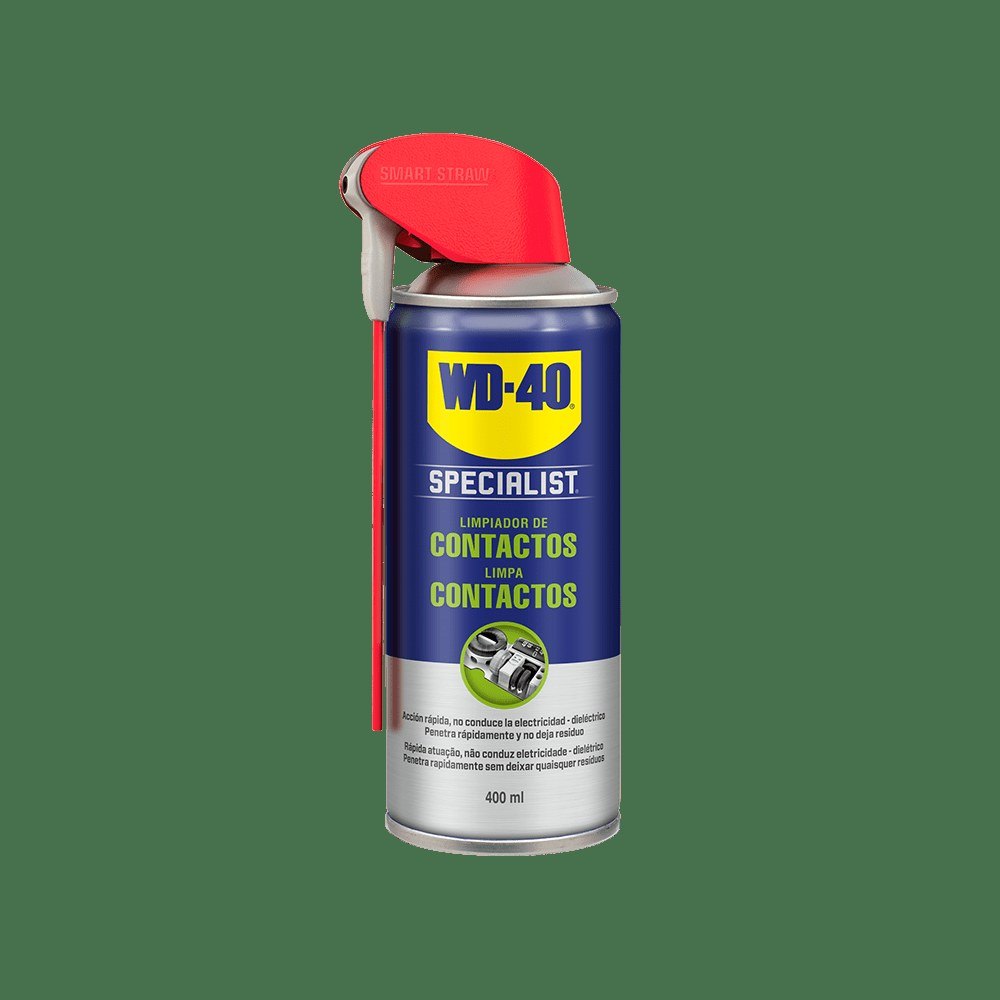
Spray WD-40 Specialist Contact Cleaner onto the battery terminals and onto the contacts in the tool and charger. It dissolves dirt and oxidation, is non-conductive and evaporates quickly without leaving a film.
Remove stubborn deposits with the brush after a second spray. Let the contacts dry completely.
Step 4
Lubricate the rails
To help the battery slide smoothly and stop the latch from sticking, apply a little WD-40 Smart Straw through the thin straw to the plastic rails and catch. Wipe off any excess straight away and keep lubricant off the contacts.
Step 5
Check the fit and function
Insert and remove the battery a few times: it should slide in straight and click firmly into place. Switch the tool on and make sure it runs without interruptions.
Tip: Do not store batteries fully discharged or in a freezing garage. In winter keep them in a warm, dry room with a partial charge, and only charge a pack once it has warmed up to room temperature.
What next
Clean the contacts every few months, and straight away after working in damp or very dusty conditions. WD-40 Multi-Use will protect the metal parts of the tool itself from rust.
These uses come from the experience of WD-40 users in many countries. Always follow the instructions and warnings on the product label.
More guides in «How to use».