A piano graces a living room, but only when it is cared for. Over time the keys turn grey from fingers and yellow with age, collecting dust and a greasy film. The fallboard and top lid hinges start to squeak, which is especially annoying during quiet pieces.
A piano is a valuable instrument, so work gently and without hurrying. Here is how to clean the keys of light to stubborn dirt and restore smooth, silent hinges.
What you will need
- soft lint-free cloths or microfibre (several)
- warm water with a drop of mild soap
- WD-40 Multi-Use for stubborn film on plastic keys
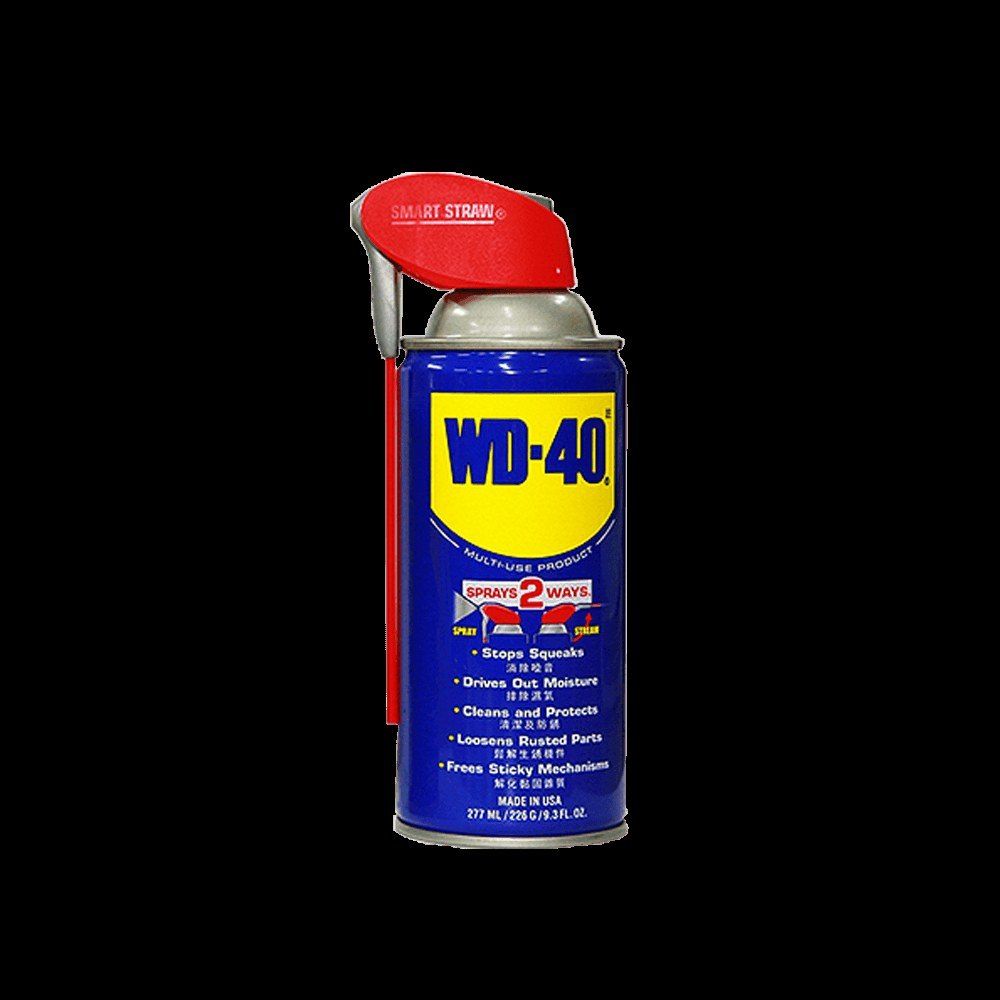
- WD-40 Smart Straw for the lid hinges
- pliers and kitchen roll
- painter's tape or cloth to protect polished surfaces
Important: Test any product on one end key first. Clean antique ivory keys only with a barely damp cloth, with no products or liquid. Never spray anything directly onto the keyboard, as liquid runs between the keys into the action. Keep WD-40 off the polished case.
Step 1
Dust off and prepare
Wipe the keys with a dry soft cloth to remove dust rather than smearing it around. Identify what the keys are made of: modern pianos have plastic keys, older ones often ivory (yellowish, with a faint grain and a two-piece top). This determines how you clean them.
Step 2
Wash the keys with a mild solution
Dip a cloth in warm water with a drop of soap and wring it out well; it should be barely damp. Wipe each key individually, from the front edge back rather than along the keyboard, so dirt does not go into the gaps. Dry each key straight away with another cloth. Use a separate cloth for the black keys so their colour does not transfer to the white ones.
Step 3
Lift stubborn film from plastic keys
If a grey greasy film remains on plastic keys after the soapy wipe, apply a little WD-40 Multi-Use to a cloth, not to the keyboard. Wipe each key lightly from top to bottom: it dissolves the grime and restores an even shine. Then buff the keys thoroughly with a clean dry cloth so no film remains and your fingers do not slip while playing.
Step 4
Remove the pin from the squeaky hinge
To lubricate the lid hinge properly rather than just on the surface, take out its pin. Protect the surrounding finish with cloth or painter's tape. Grip the pin with pliers and gradually twist it anticlockwise to draw it out. Ask someone to support a heavy top lid.
Step 5
Clean and lubricate the hinge
Spray the pin and hinge plates with WD-40 Smart Straw through the thin straw and wipe with kitchen roll: it dissolves old dirt, hardened grease and rust. Once the parts are clean, apply another thin coat to protect against corrosion.
Step 6
Reassemble and test
Refit the pin and open and close the lid several times so the lubricant works into every gap. Give the hinge a short burst of WD-40 Smart Straw and wipe the excess off the hinge and surrounding wood straight away.
Tip: Keep the piano out of direct sunlight and away from radiators: keys yellow faster, and the wood and action suffer from drying out. Ideal room humidity is 40-60%.
What next
Dust the keys weekly, wash them with a mild solution monthly and treat the hinges at the first squeak. Leave the action and tuning to a piano technician. Around the home, WD-40 Smart Straw also helps with doors, furniture hinges and locks.
These uses come from the experience of WD-40 users in many countries. Always follow the instructions and warnings on the product label.
More guides in «How to use».