We rarely look under the bonnet, yet the latch is constantly hit by water, road dirt, grit and, in winter, de-icing salt. The grease washes out, rust sets in, and one day the bonnet simply will not latch, or the release cable needs a hard pull.
An unlatched bonnet can fly up at speed and block your view, so never drive with this fault. The good news is that in most cases the latch comes back to life after cleaning and lubrication, without replacing any parts.
What you will need
Important: Work with the engine cold and the ignition off, and keep your fingers away from the latch when closing the bonnet. Do not spray products onto belts, brake parts or a hot engine. If the latch still does not hold the bonnet securely after all the steps, do not drive: have the latch replaced at a garage.
Step 1
Inspect the latch
Open the bonnet and look closely at the latch on the radiator support and at the striker on the bonnet itself. Often the cause is simple: a pebble, twig or lump of mud stuck in the mechanism.
Pull the release handle inside the car a few times and watch whether the latch jaw and the safety catch move and spring back into place.
Step 2
Clean the mechanism
With a toothbrush, dry or dipped in warm soapy water, scrub sand, dirt and old hardened grease out of and around the latch. Then dry everything with a microfibre cloth.
Step 3
Treat the latch with WD-40
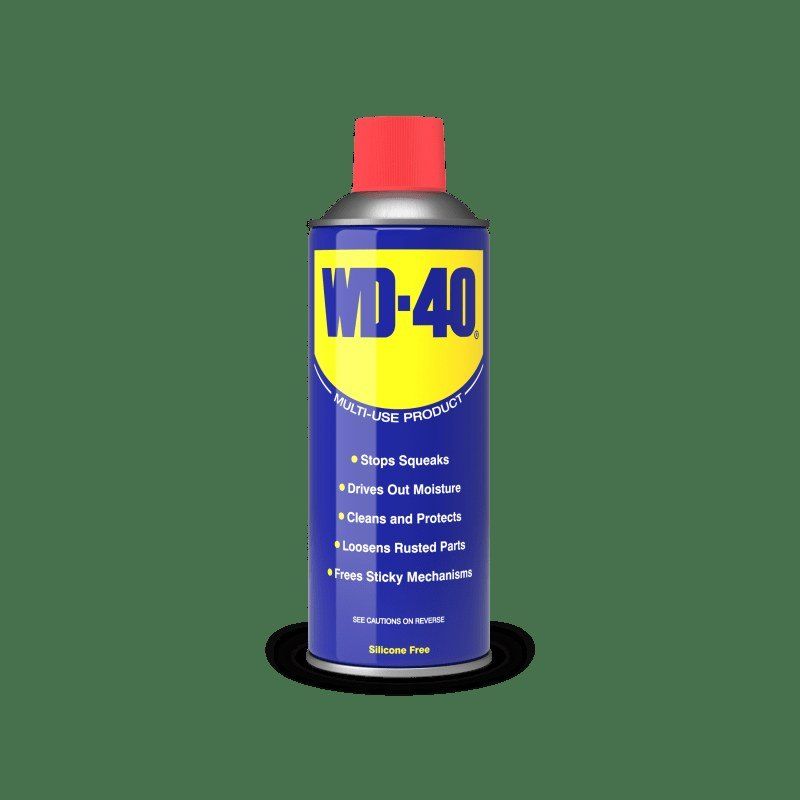
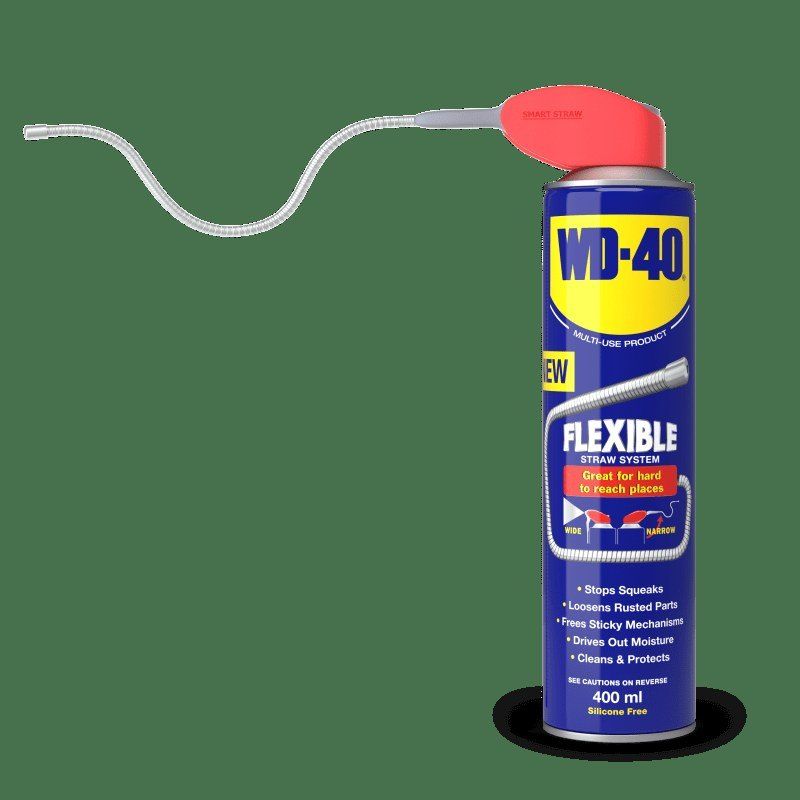
Spray WD-40 Multi-Use generously onto the mechanism; the WD-40 Smart Straw helps you reach the pivot and spring. It penetrates deep, displaces moisture and loosens remaining dirt and rust. Wait a few minutes.
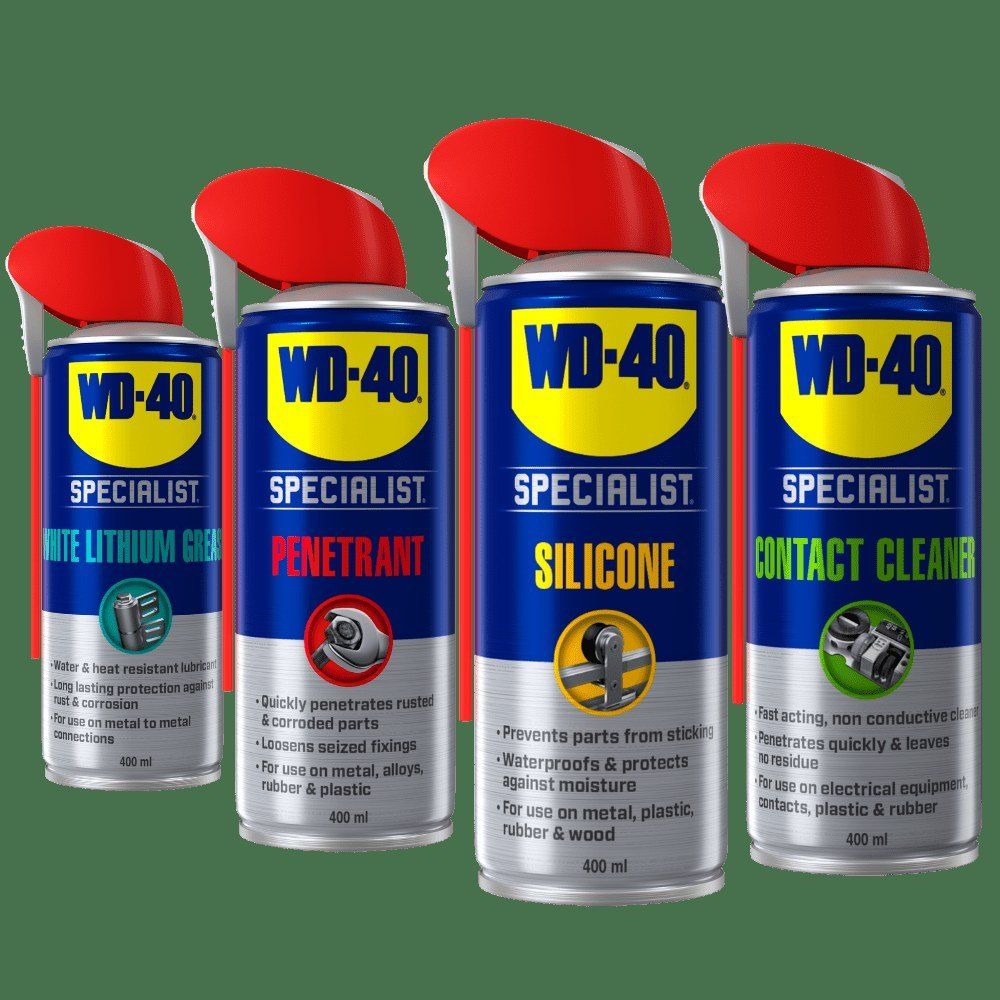
If the jaw barely moves because of rust, apply WD-40 Specialist Penetrant first and give it 5-10 minutes.
Step 4
Work the mechanism
Pull the release handle several times and move the safety catch while watching the jaw. If it still feels stiff, spray again and work the mechanism straight away so the product spreads through all the parts.
Step 5
Lubricate the latch and striker
Once the mechanism moves freely, apply WD-40 Specialist White Lithium Grease to the latch's rubbing points. This thick grease is not washed out by rain or car washes, so the latch stays protected for longer.
Treat the striker on the bonnet with WD-40 Multi-Use as well and brush off any rust. Finally close and open the bonnet a few times to make sure it latches first time and does not bounce.
Tip: If the bonnet latches but only reluctantly, check the rubber stop buffers at the corners: they adjust by turning and are often set too high after a latch replacement or bodywork repair.
What next
Service the bonnet latch twice a year: in autumn before the salt season and in spring after winter. While you are at it, lubricate the door, boot and fuel flap hinges with WD-40 Multi-Use.
These uses come from the experience of WD-40 users in many countries. Always follow the instructions and warnings on the product label.
More guides in «How to use».