An awning over a terrace, balcony or shopfront spends the whole season in sun, rain, wind, dust and city smog. This affects not only the look of the fabric but also the mechanisms: joints start to squeak, arms get stiff, the fabric runs crooked when retracting, and the motor works under strain.
To keep an awning going for years, lubricate and clean it twice a year: in spring before the season and at the end of autumn before winter. For each type of awning, the key is knowing which parts to treat.
What you will need
Important: Switch off the power to a motorised awning before you start. Work from a stable stepladder on a calm day. Do not spray products onto the awning fabric: cover it and apply lubricant precisely through the straw.
Step 1
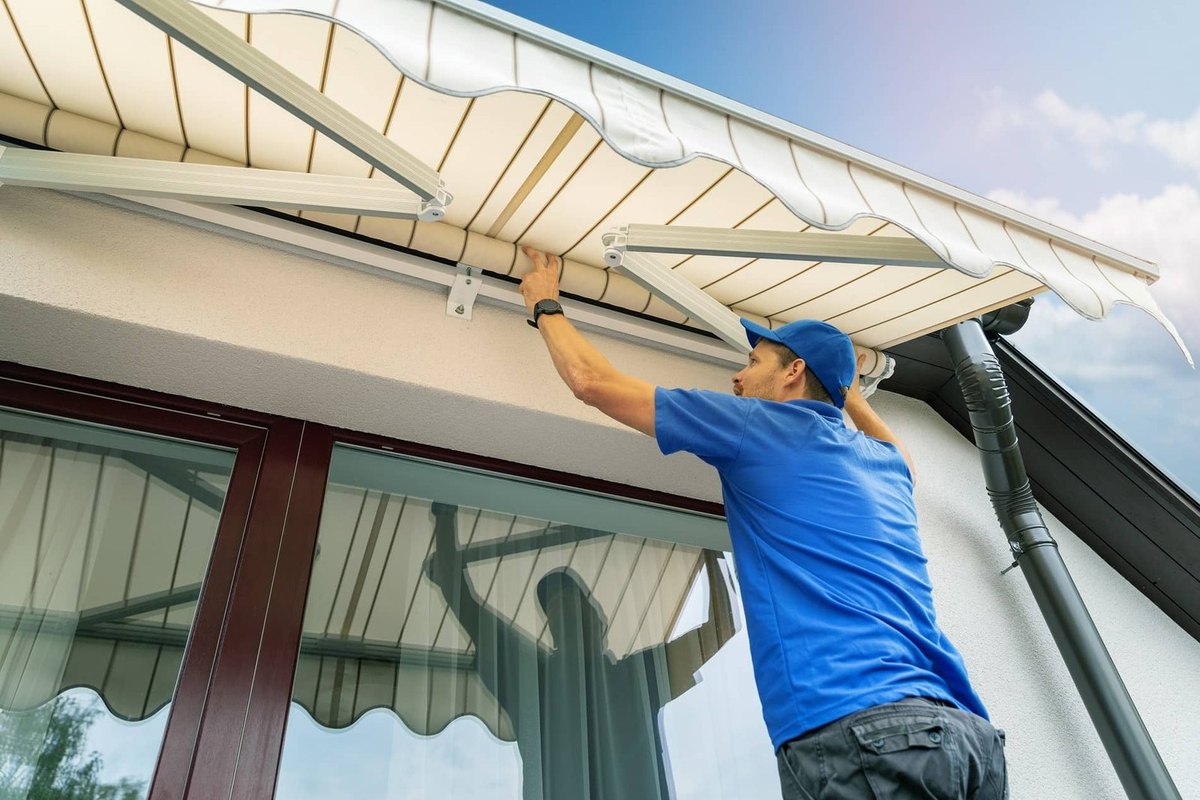
Lubricate the folding arms
On a classic folding-arm awning, the arms pivot on the sides of the roller the fabric winds onto, and tension comes from an internal steel cable with manual or motor drive. Extend the awning fully so you can reach every joint.
Apply WD-40 Smart Straw through the thin straw to all joints, pivots and drive mechanisms, including the gears of a manual winding gearbox. It reduces friction and protects against moisture. Retract and extend the awning a few times to spread it.
Step 2
Treat the side supports
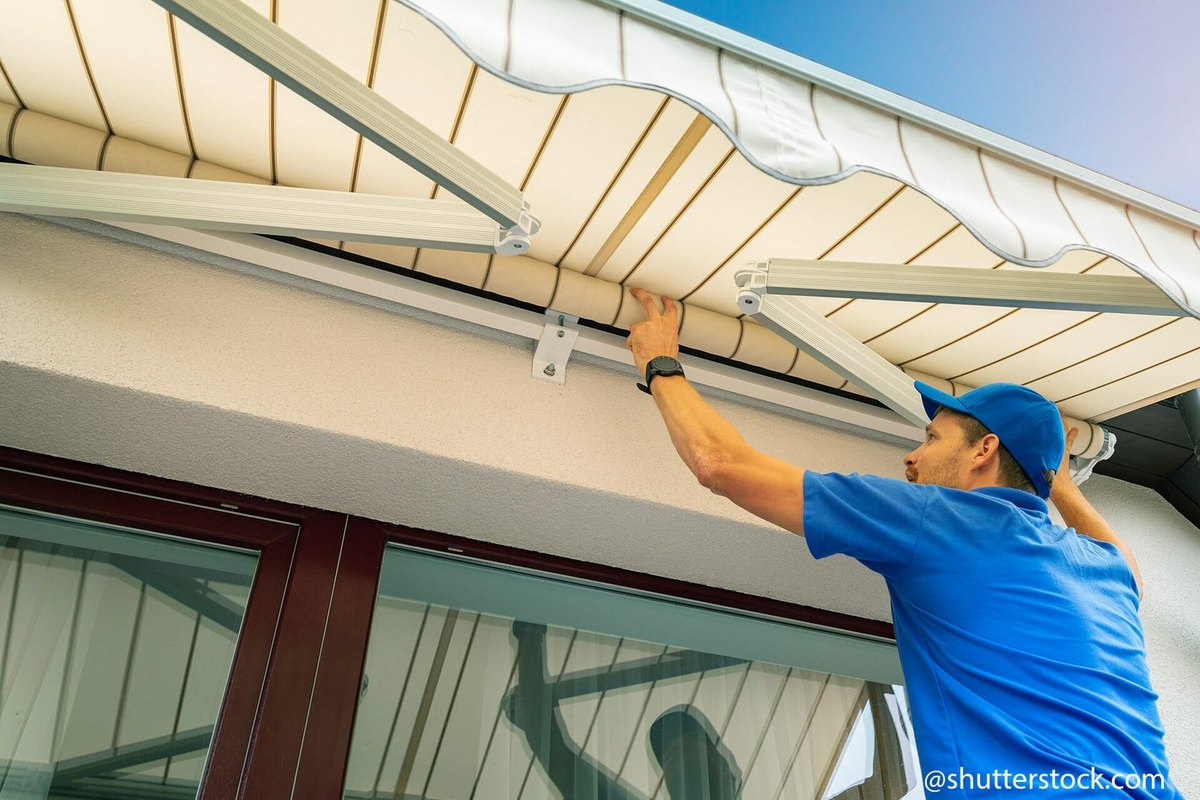
Window and balcony awnings often have no folding arms but hang on side supports: the front bar runs on steel cables, on aluminium guides or on arms fixed to the wall.
Lubricate the joints and pivots of these supports in the same way as for folding-arm awnings. Give the cables, and the points where they run over pulleys, a thin coat of WD-40 Specialist Silicone.
Step 3
Lubricate the guide rails
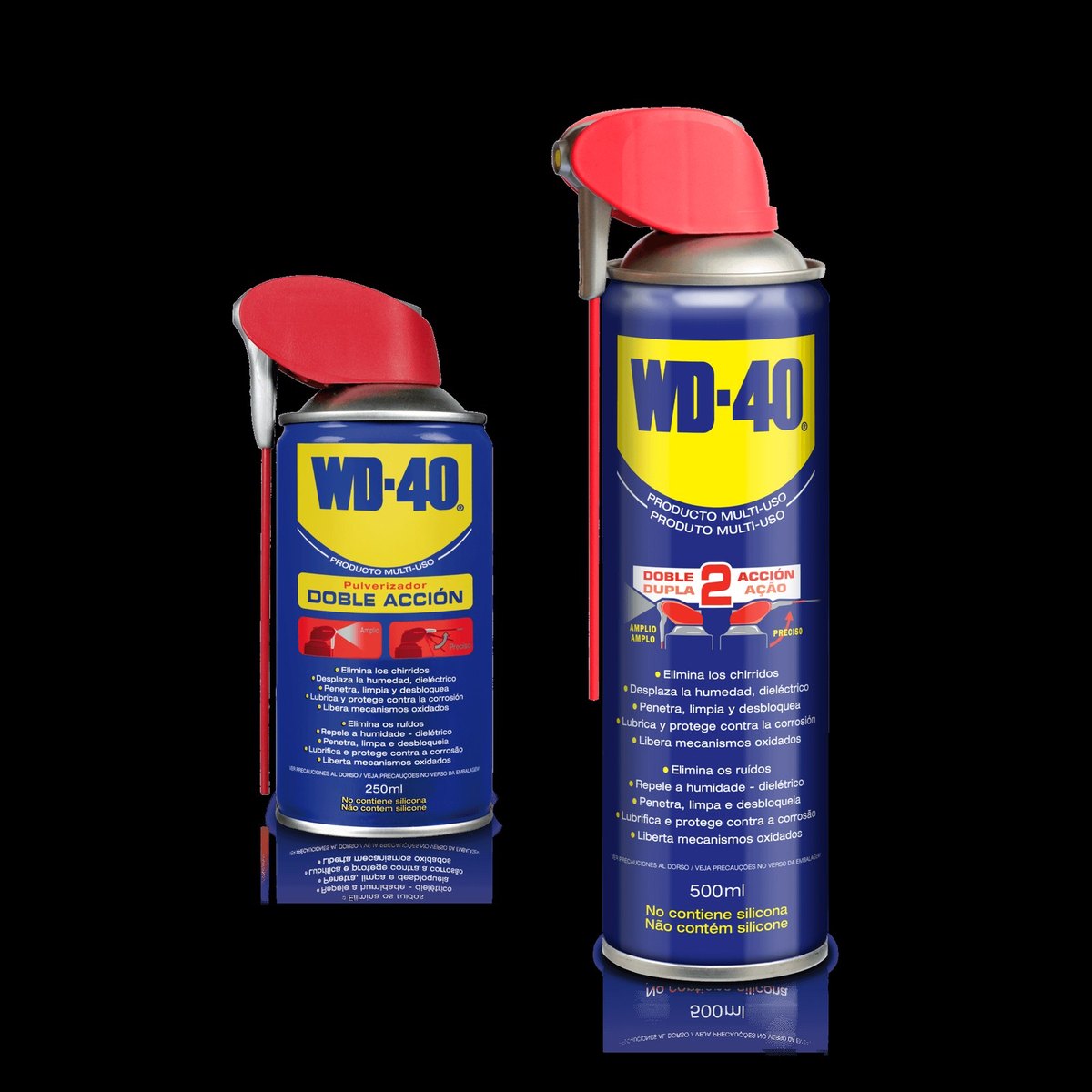
On garden and conservatory awnings, the fabric slides along side rails fixed to the wall and ground on an aluminium frame. First wipe dust, leaves and cobwebs off the rails.
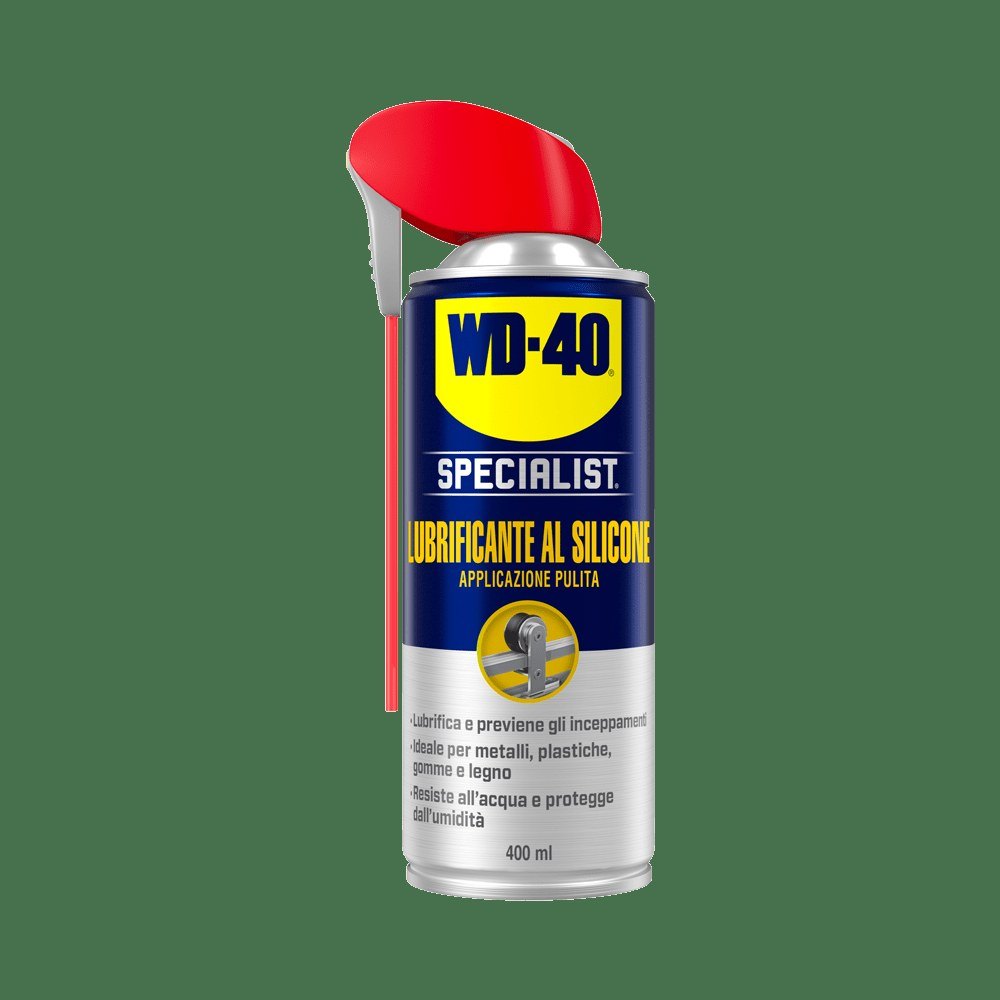
Then apply WD-40 Specialist Silicone. It is safe on plastic sliders and rubber seals, does not attract dirt and lets the fabric run smoothly and evenly.
Step 4
Treat the joints of dome awnings
Dome awnings are raised by a cord, manually or by motor, and come in trapezoid, round or shell shapes. They are lubricated at the two side joints around which the section hoops pivot.
Apply WD-40 Smart Straw to each side joint. Treat rusty wall bolts and brackets with WD-40 Multi-Use and wipe off the excess.
Step 5
Clean the fabric
Once lubrication is done, brush dust, leaves, bird droppings and any mould off the fabric. Then wash it with a soft sponge or cloth and warm water, removing any stray drops of lubricant at the same time.
Do not use a pressure washer, solvents, ammonia or hydrocarbon-based cleaners, as they can tear or discolour the fabric. Let it dry completely before retracting the awning.
Tip: Retract the awning before rain and strong wind, and always extend it again to dry once the rain stops. Fabric rolled up wet goes mouldy within days, especially in hot, humid summers.
What next
Repeat the lubrication in spring and late autumn, and keep the awning retracted in winter. If the mechanism is still stiff or the motor hums, call a technician. The same WD-40 Specialist Silicone is handy for garden furniture, swings and sliding patio doors.
These uses come from the experience of WD-40 users in many countries. Always follow the instructions and warnings on the product label.
More guides in «How to use».