Heaters are a fixture of winter life: electric convectors and fan heaters help when central heating fails or the power to it is interrupted, while room-sealed gas convectors heat country houses and homes without radiators. To keep a heater working for years, quiet and free of burnt-dust smells, it needs simple yearly care.
An electric heater has elements that warm the air, which rises out through grilles, often assisted by a fan. A gas convector has a sealed combustion chamber: air is drawn in and combustion gases leave through a flue in the outside wall, while a fan boosts the heat exchange.
What you will need
Important: Only work on an electric heater once it is unplugged and completely cool. The inside of a gas convector must be serviced by a qualified gas engineer: as the owner, you should only clean the outer grilles and casing.
Step 1
Identify your heater type
Electric heaters can be portable or wall-mounted, and come as panels, convectors, oil-filled radiators or fan heaters. A gas convector is always fixed to an outside wall with a concentric flue through it.

Step 2
Remove dust from the outside
Dust in the inlet and outlet grilles is a heater's main enemy. It reduces output and scorches on hot elements, causing unpleasant smells. Vacuum every opening with the crevice tool, then wipe the casing with a slightly damp microfibre cloth. Do not let water get inside.
Step 3
Clean the fan of an electric heater
If the manual allows it, remove the casing and inspect the fan. The blades are often coated in a thick layer of compacted dust that narrows the gaps between them and sharply reduces airflow. Clean it with a soft brush and vacuum.
Spin the shaft by hand and wiggle it: noticeable play in the bearings causes rattling, and that part should be replaced by a service centre.
Step 4
Lubricate the bearings
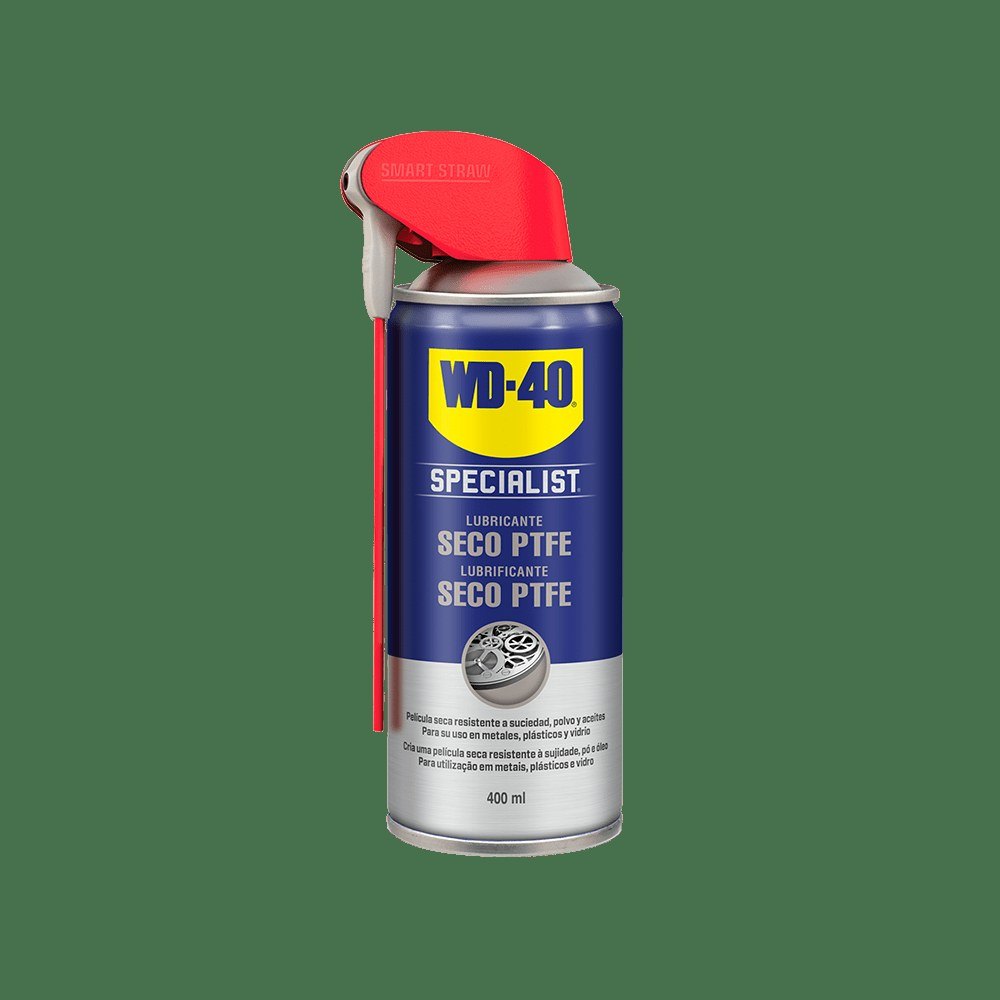
If there is no play but the fan turns stiffly or squeaks, apply a little WD-40 Specialist Silicone to the bushes and bearings through the thin straw. It reduces friction, is safe on plastic and rubber and attracts less dust than heavy greases. Spin the shaft by hand to spread it and wipe off the excess.
Step 5
Check contacts and connectors
Oxidised terminals, thermostat contacts and connectors reduce conductivity, which can make the heater cut out or overheat at the joint. Spray them with WD-40 Specialist Contact Cleaner: it reaches tight spots, dries quickly and leaves no residue.
Let the contacts dry completely before reassembly. If casing screws have rusted, treat them with a drop of WD-40 Multi-Use.
Step 6
Gas convector: inspection and service
On a gas convector, clean only the grilles and casing yourself, and check that the outside flue terminal is not blocked by snow, leaves or cobwebs. Once a year, before the season, call a gas engineer to remove the casing, clean the burner and heat exchanger and check the controls and contacts.
Tip: Never cover a heater or dry clothes on it: blocked grilles lead to overheating, tripping the safety cut-out or damaging the thermostat. Keep the heater well away from curtains and furniture.
What next
Service your heater once a year, at the end of the season before storage, and give it a quick dust before switching it on in autumn. Store it boxed in a dry place and wipe the metal fixings lightly with WD-40 Multi-Use to keep moisture off.
These uses come from the experience of WD-40 users in many countries. Always follow the instructions and warnings on the product label.
More guides in «How to use».