An outboard is easier to service than an inboard engine: it hangs on the transom and is easy to reach. The downside is that it is constantly exposed to sun, spray, sand and silt, and at sea to salt, which steadily attacks the metal.
Regular care after every outing and proper lay-up for winter will keep the motor from failing in the middle of the water and add many seasons to its life.
What you will need
Important: Never run the motor without water supplied to the cooling system: overheating can seriously damage the engine within minutes. Disconnect the battery before working on the electrics.
Step 1
Check the motor before setting off
Before every trip, check the fuel level, the battery charge and terminals, the propeller for chips and tangled weed, and the oil level for two-stroke premix or in the sump of a four-stroke. A few minutes of checks can save you from trouble far from shore.
Step 2
Start the motor only in water
Outboards are cooled by the water they run in. Starting on land without a water supply leads to overheating and serious damage. Start the motor with the lower unit submerged, and for checks ashore use flushing muffs connected to a hose.
Step 3
Flush and clean after use
After every outing, rinse the motor thoroughly with fresh water to remove salt, limescale, sand and silt. After seawater or muddy river water, also flush the cooling system through the muffs.
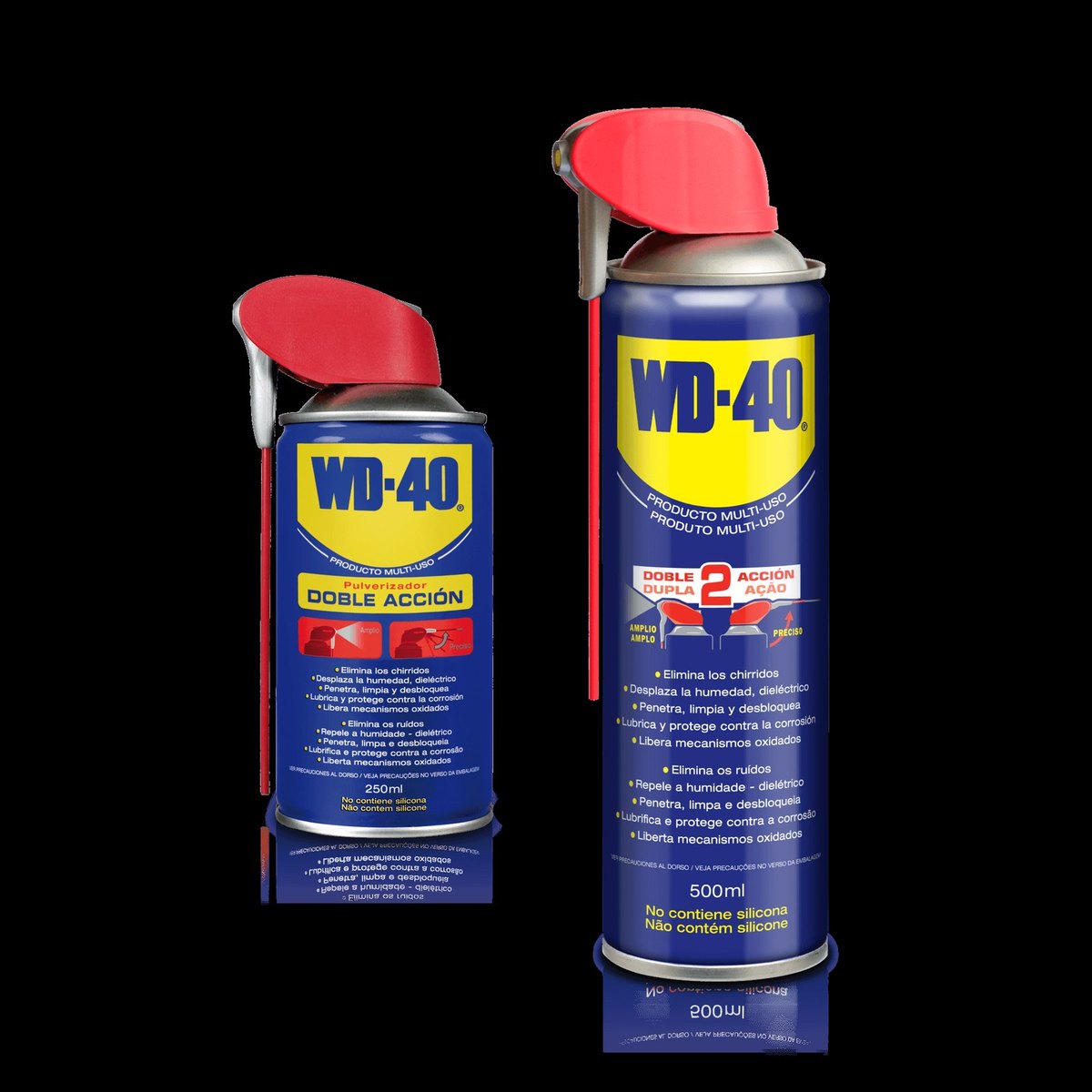
For a deeper clean, apply a little WD-40 Multi-Use to metal parts, fixings, transom clamps and exposed mechanisms, leave it a few minutes and wipe off the rest with a cloth. It displaces moisture and leaves a protective film against corrosion.
Step 4
Look after the electrics and linkages
Treat wiring connectors, battery terminals and control box contacts with WD-40 Specialist Contact Cleaner: it dissolves salt deposits, dirt and condensation and dries quickly.
Lubricate throttle and shift linkages, tilt mechanism pivots and clamp screw threads with WD-40 Specialist White Lithium Grease. Service grease nipples that the manufacturer specifies a particular grease for according to the manual. Once the motor is dry, disconnect the battery and fit the cover.
Step 5
Lay the motor up for winter
At the end of the season, flush the motor and cooling system thoroughly with fresh water once more. Check the fuel lines, steering and anodes, and change the gearcase oil as scheduled. Remove the battery and keep it somewhere warm, charging it periodically.
Treat all external metal parts with WD-40 Multi-Use and store the motor upright in a dry place under a breathable cover.
Tip: After a sea trip, do not leave flushing until the next day: salt drying on metal starts eating into it within hours.
What next
Flush the motor after every outing, and service the electrics and linkages monthly during the season. For lots of metal on the boat and trailer, a WD-40 Trigger Pro with its trigger spray is convenient.
These uses come from the experience of WD-40 users in many countries. Always follow the instructions and warnings on the product label.
More guides in «How to use».