A jet ski brings plenty of summer fun, but it works in harsh conditions: water, sand, sun and, at sea, salt. Without care, metal corrodes, contacts oxidise, cables and hinges stick, and next season may start with repairs.
Maintenance consists of simple steps after every ride plus thorough preparation for winter storage. Here is how to keep your jet ski in shape.
What you will need
Important: Work with the engine off and the safety lanyard removed, and disconnect the battery before touching the electrics. Never apply silicone or other lubricants to the seat, footwells or handlebar grips, as they will become slippery. Never drain fuel or used oil into the water.
Step 1
Rinse the jet ski after every ride
Even if you plan to ride again tomorrow, wash the hull with fresh water and a neutral detergent after use. This removes salt, limescale, sand and weed that damage both the outer surfaces and internal parts. Flush the cooling system with fresh water as the manufacturer describes.
Dry the craft and open the engine compartment cover so it can air.
Step 2
Protect metal from corrosion
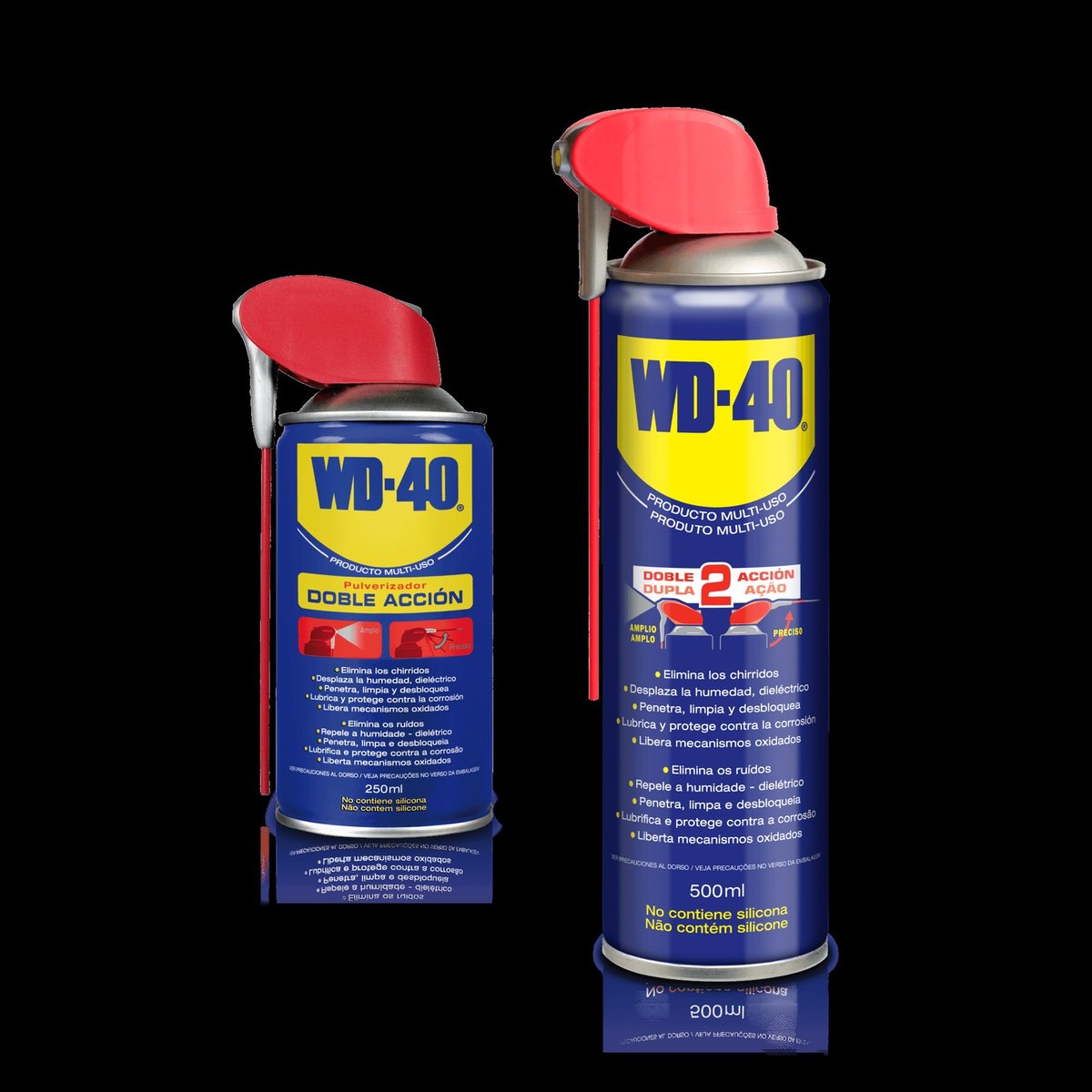
Spray WD-40 Multi-Use onto metal parts in the engine bay, fasteners, hinges, the tow eye and steering linkages, leave for a few minutes and wipe with a dry cloth. It displaces moisture, removes light surface rust and leaves a protective film.
The thin straw of WD-40 Smart Straw reaches tight spots around the jet pump and under covers.
Step 3
Lubricate moving parts
After washing, lubricate the moving parts: cover and seat hinges, latches, the reverse mechanism and steering pivots. WD-40 Specialist Silicone lubricates, repels water and dirt and is compatible with plastic, rubber and metal.
Give hatch seals a thin coat of silicone: the rubber stays supple for longer and seals better.
Step 4
Inspect regularly
Before each ride, or at least at the start of the season, check the electrics, battery, lubrication system, fuel tank and hoses, water intake strainer, warning lights and horn. Move all moving parts to make sure nothing sticks.
Treat oxidised terminals and connectors with WD-40 Specialist Contact Cleaner: it removes dirt and moisture and leaves no residue.
Step 5
Prepare the jet ski for winter
Before winter storage, change the oil and filters and deal with the fuel as the manufacturer recommends. Drain the cooling system completely: water left inside can crack parts in frost.
Remove the battery, charge it and store it somewhere warm and dry. Give metal parts another coat of WD-40 Multi-Use and keep the jet ski on a trailer or stand under a breathable cover in a dry building.
Tip: After every ride on the Black Sea, the Sea of Azov or salty estuaries, rinse the jet ski with fresh water the same day. Even one night with dried salt noticeably speeds up corrosion of fasteners.
What next
Rinse and protect after every ride, lubricate moving parts monthly during the season and carry out full winterisation in autumn. Check the battery and seals in spring before the first launch.
These uses come from the experience of WD-40 users in many countries. Always follow the instructions and warnings on the product label.
More guides in «How to use».