A boat engine works in the harshest conditions: spray, constant damp and, at sea, salt. Corrosion on fasteners, linkages and connectors sets in faster than you think, and it is a more common cause of breakdowns on the water than mechanical wear.
So besides the maker's scheduled servicing, the engine needs dedicated protection against moisture and corrosion. Here is a routine for an outboard that takes an hour or two.
What you will need
Important: Only work on a stopped, cool engine with the battery disconnected and the key or kill-switch lanyard removed. Do not aim a pressure washer at close range on connectors and seals.
Step 1
Prepare the engine
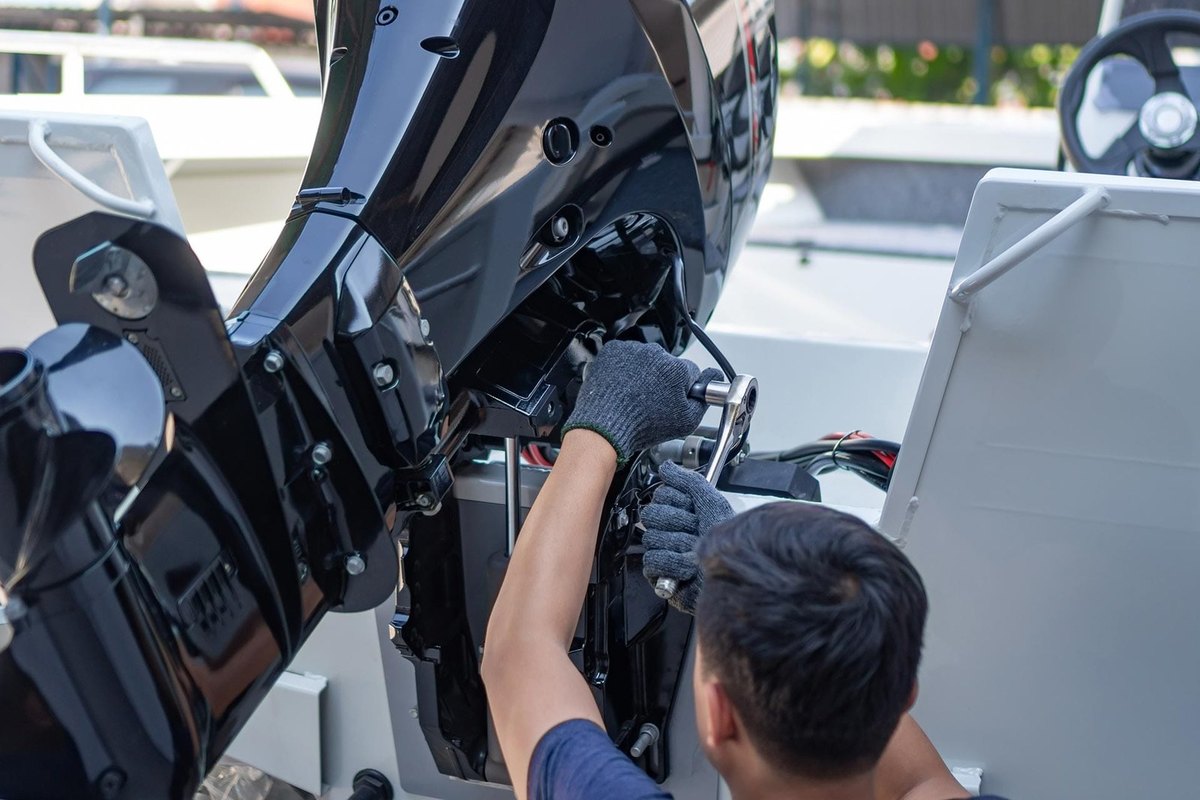
Stop the engine, disconnect the battery and let it cool. Cover the air intake and sensitive parts with film or masking tape. Rinse the gearcase, powerhead casing and ancillaries with fresh water from top to bottom to remove salt, then dry with microfibre.
This preparation matters: if protective products go onto damp, dirty metal, salt and moisture are sealed in underneath.
Step 2
Clean off grime and treat contacts
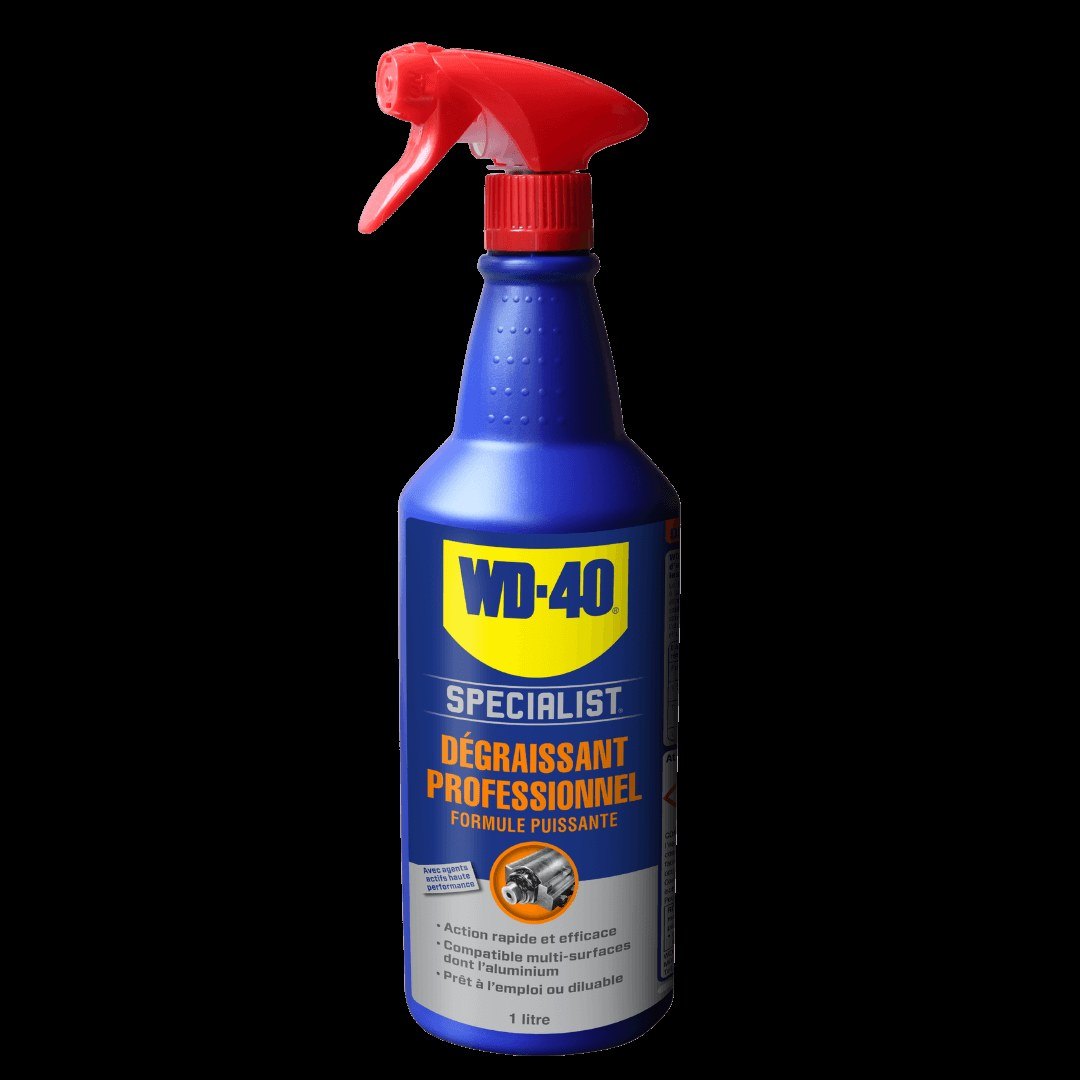
Spray WD-40 Multi-Use onto oily marks and deposits on the casing and brackets, leave it for a few minutes, brush and wipe thoroughly. For very greasy areas a dedicated degreaser can help.
Clean electrical parts such as terminals, connectors, the ignition unit and kill switch with WD-40 Specialist Contact Cleaner: it dries quickly, is non-conductive and does not harm plastic or rubber.
Step 3
Drive moisture out of the metal
Lightly spray WD-40 Smart Straw on accessible metal parts: mounts, brackets, nuts and bolts, and the outside of the cylinder head. It creeps into gaps, displaces moisture and leaves a protective film against rust. Pay extra attention to steel fasteners and areas hit by spray. Wipe off the excess so dust does not stick.
Step 4
Protect seals and grease the linkages
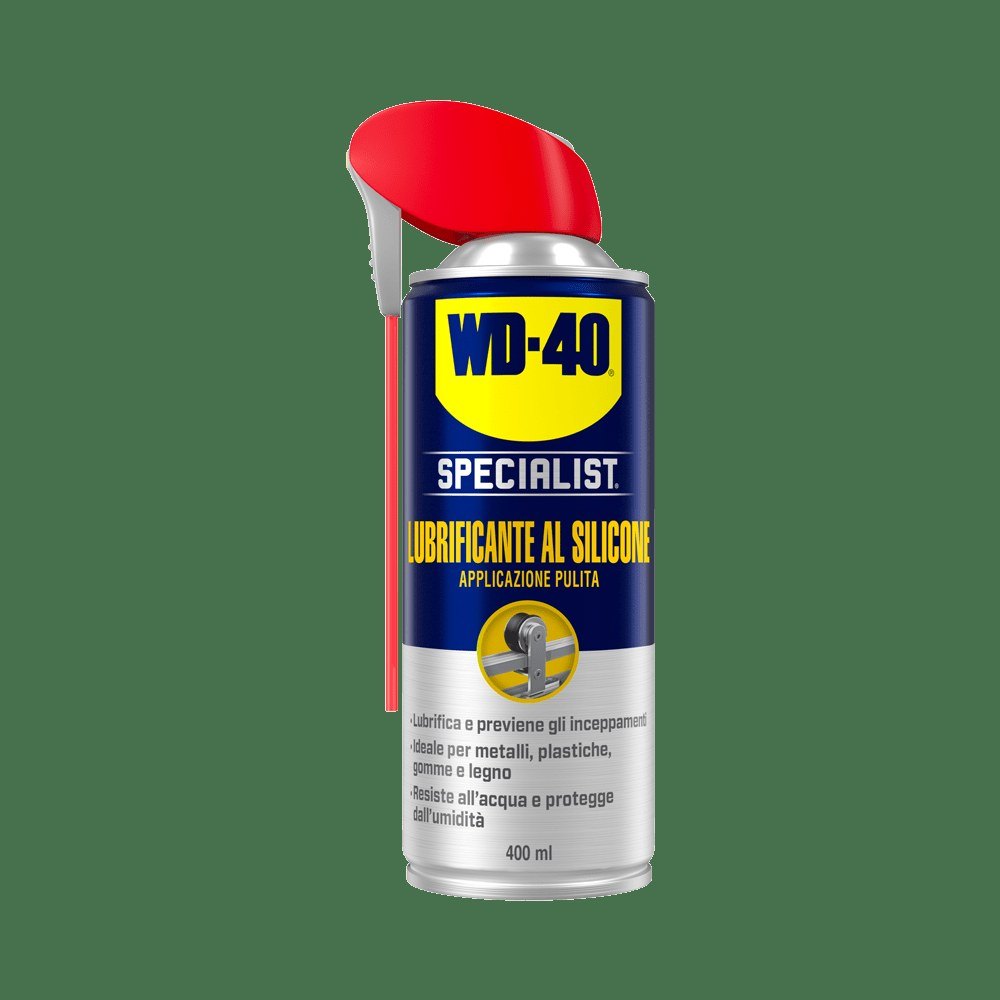
Apply WD-40 Specialist Silicone to cowling seals, cable grommets, bellows and connector housings: the silicone film keeps water out, does not attract dust and keeps rubber supple. It also suits the throttle cable.
Grease the throttle and gear linkages, throttle shafts, cowling latches and cable ends with WD-40 Specialist White Lithium Grease, which clings to metal and resists spray. Apply sparingly and work each mechanism a few times to spread it.
Step 5
Fuel, oil and cooling
Check fuel filters and hoses and the engine oil level, and change the oil on schedule. Drain the gear oil from the gearcase and refill from the bottom up with a hand pump: if the old oil looks milky, water is getting in and the seals need checking.
After salt water, flush the cooling system with fresh water through the flushing port or muffs so salt does not build up in the passages.
Step 6
Gearcase, propeller and impeller
Scrape fouling off the gearcase and propeller with a plastic scraper. Remove the propeller, clean old grease and fishing line off the shaft, inspect the seal and grease the splines with the same lithium grease before refitting. Replace the water pump impeller on schedule, or straight away if the tell-tale stream weakens.
Tip: After every saltwater trip, five minutes is enough: rinse the engine with fresh water, go over the fasteners with the multi-use spray and the seals and connectors with silicone. It is the cheapest insurance against corrosion.
What next
During the season, every 15-20 engine hours or monthly, repeat the cleaning and greasing of the linkages and inspect the connectors. Before lay-up do the full routine and check the battery and terminals.
These uses come from the experience of WD-40 users in many countries. Always follow the instructions and warnings on the product label.
More guides in «How to use».