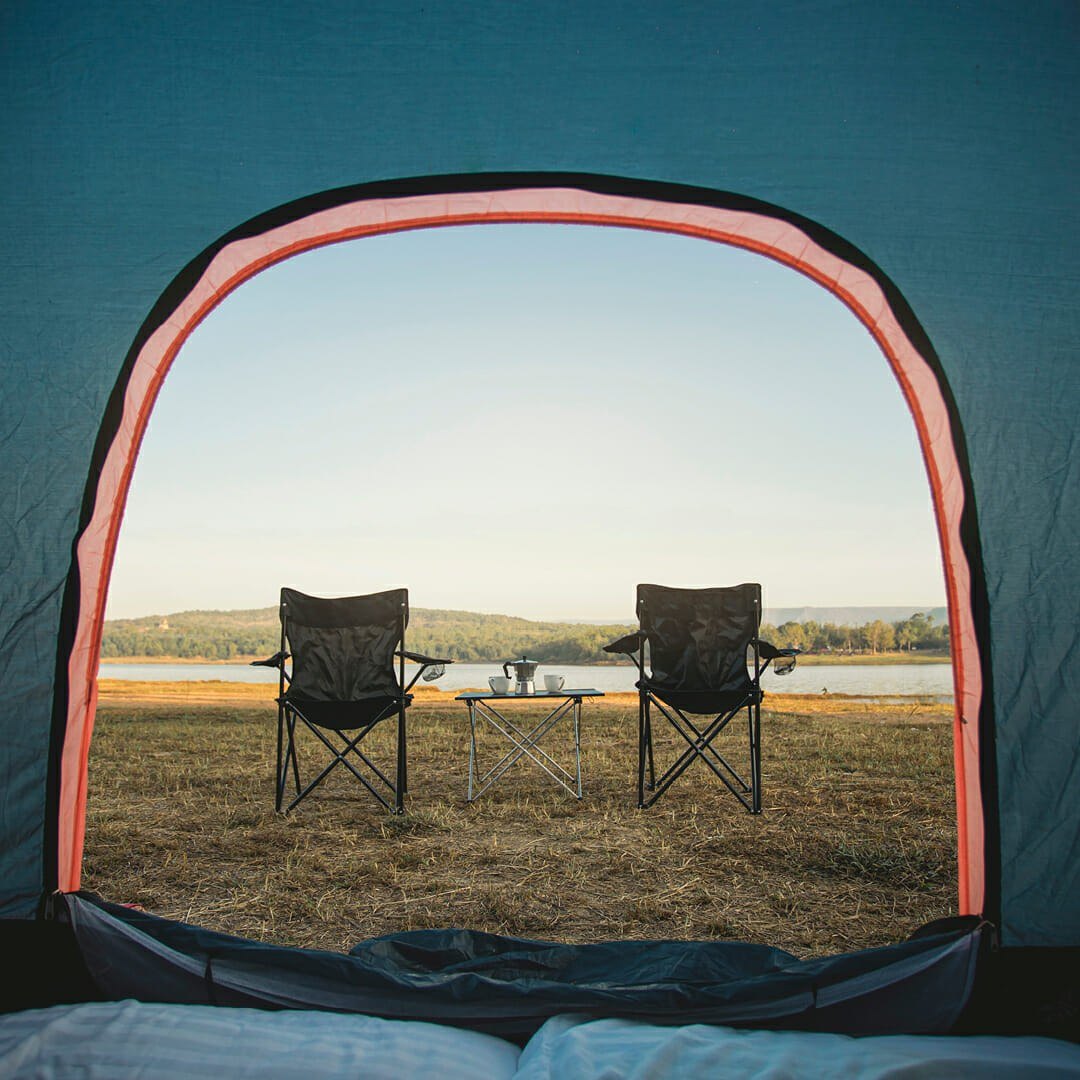
Folding chairs, tables and loungers come with us fishing, camping or to the country cottage and stand outdoors for weeks: dew, dust, rain and blazing sun. They are made for outdoor use, but over time plastic turns brittle, fabric fades, and metal tubes and rivets start to rust.
Good camping furniture is not cheap, so simple care pays off. The approach depends on the material: metal, plastic, synthetic rattan or wood. Here are five steps that will keep your furniture going for many seasons.
What you will need
Important: Do not spray WD-40 on seats, fabric or table tops used for food. Test plastic parts on a hidden area before treating them.
Step 1
Inspect the furniture
Check each piece regularly: sun makes plastic porous and cracked, metal develops rust and fabric tears near the fixings. Always do this check before putting the furniture away for winter and again when you get it out in spring.
The sooner you spot rust or a tear, the easier it is to fix.
Step 2
Remove rust from metal parts
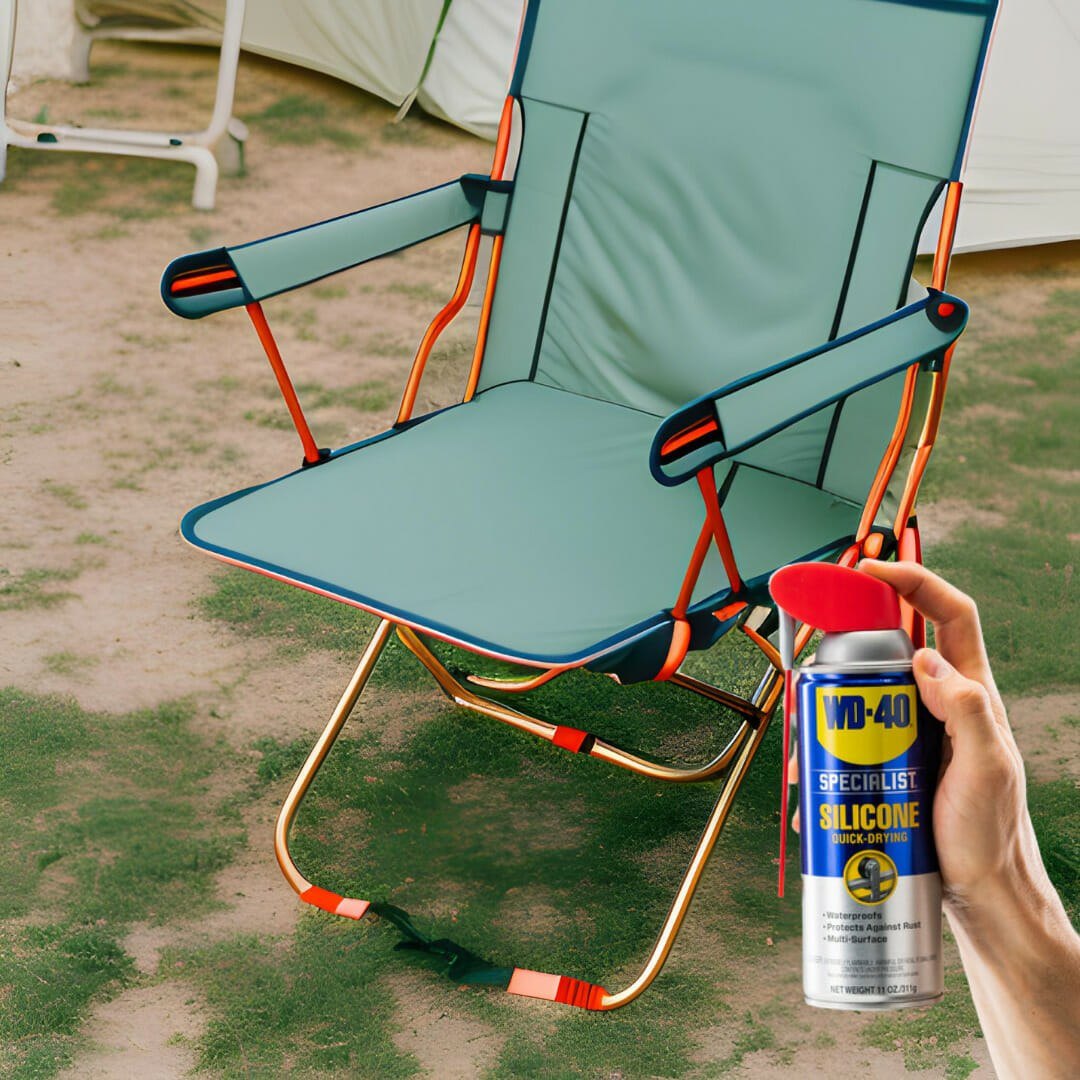
Wipe off light bloom with a damp cloth and detergent. Treat heavier spots with WD-40 Smart Straw: with the straw up, the spray goes straight into gaps and joints where rust sits deepest. Let it work for a few minutes, then use a brush and fine sandpaper.
If bare metal is exposed, prime it with an anti-rust primer and touch it up with matching paint.
Step 3
Clean according to the material
Wash plastic, synthetic rattan and metal with warm water and mild detergent, then rinse with clean water and dry. For stubborn grime, sparkling mineral water helps: the bubbles loosen the dirt.
Only wipe wooden furniture with a slightly damp cloth and treat it with wood oil or varnish from time to time. Remove fabric seats and wash them separately following the manufacturer's instructions.
Step 4
Lubricate hinges and folding mechanisms
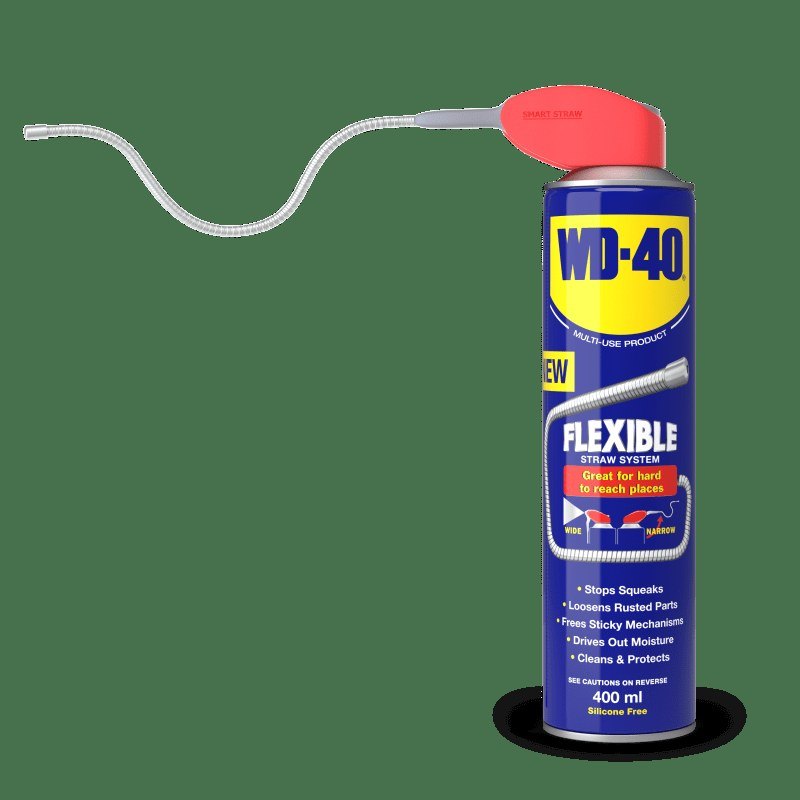
Folding furniture has many hinges and rivets, and they are the first to squeak and stick. Treat metal hinges with WD-40 Smart Straw: it displaces moisture, penetrates tight joints and protects against corrosion. Fold and unfold the furniture a few times and wipe off the excess.
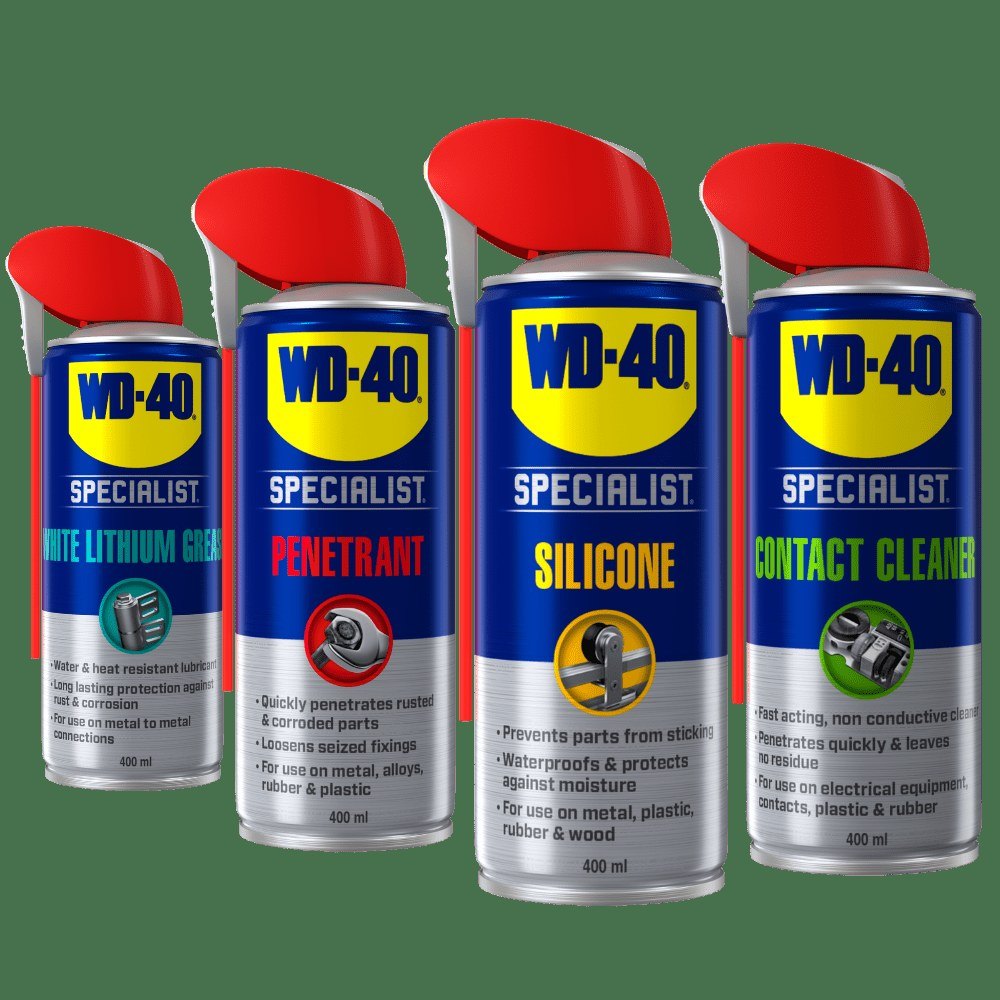
For plastic joints, sliders and plastic to metal connections, WD-40 Specialist Silicone is the better choice: it is safe on most plastics and repels water.
Step 5
Prepare the furniture for winter
Before storage, wash, dry and lubricate every mechanism once more. Take cushions and mattresses indoors so they do not get damp. Store the furniture in a garage, shed or loft, and if there is no room, cover it with waterproof, frost resistant covers.
Tip: Pack a small can of WD-40 or a Smart Straw when you go camping: a squeaky chair or a jammed table can be fixed right at the campsite in a minute.
What next
Give the furniture a quick check during the summer, lubricate the hinges once a season and do a full service before winter. Look after the rest of your camping kit in the same way: tent, gas stove and trailer.
These uses come from the experience of WD-40 users in many countries. Always follow the instructions and warnings on the product label.
More guides in «How to use».