Gates stand in rain, snow, sun and road spray all year round. Metal gates are tougher than wooden ones, but they only last with regular care: otherwise rust appears in hidden spots, hinges squeak and the lock freezes in winter.
A full service is best done in spring, after a winter of salt and slush, and in autumn before the frosts. It is not difficult, though it takes a little time.
What you will need
Important: Wear gloves, goggles and a dust mask when sanding rust and painting. Paint in dry, still weather above freezing.
Step 1
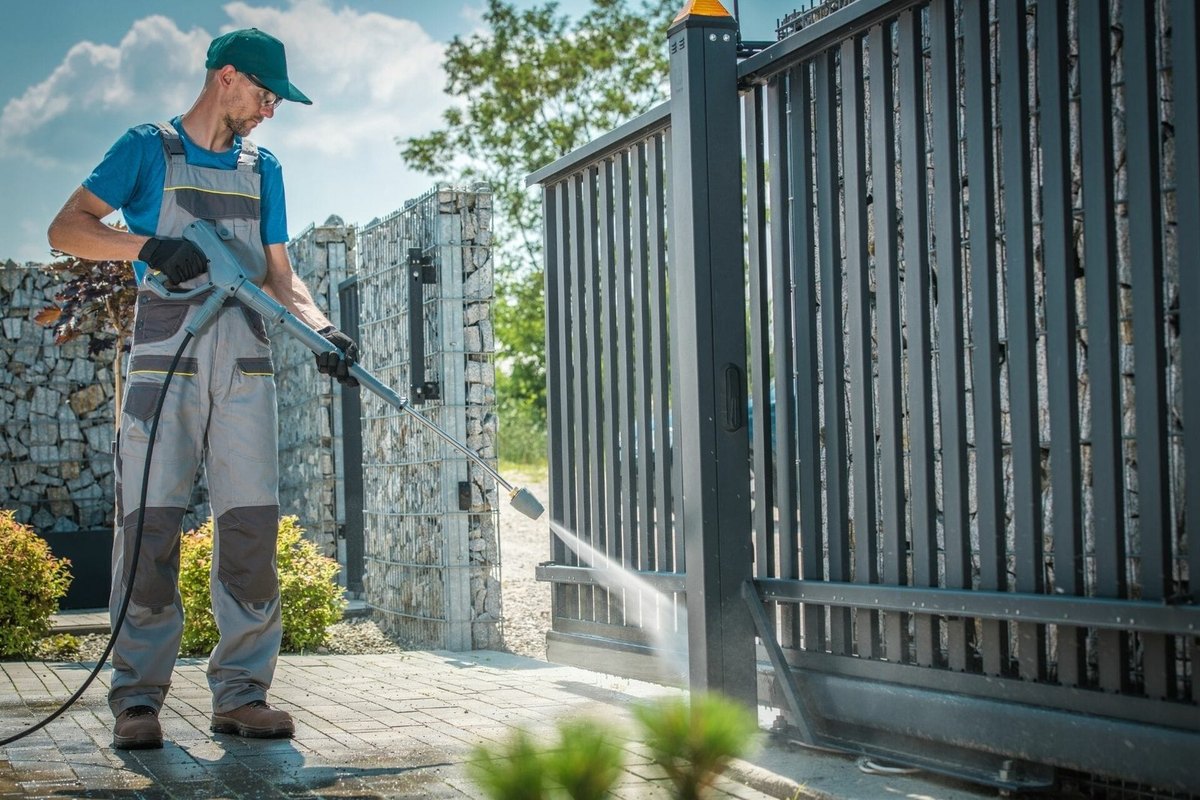
Wash the gate
Mix warm water and soap and wash the gate thoroughly on both sides with a sponge. Light dirt comes off at once and heavy grime softens. Then use a brush to remove softened dirt, bird droppings and old marks.
Do not forget the bottom, where salty snow from the road lands in winter.
Step 2
Rinse and dry
Hose off the remaining soap and dirt. A soap film can leave marks, so rinse well. Then wipe the gate dry or let it dry in the sun.
Step 3
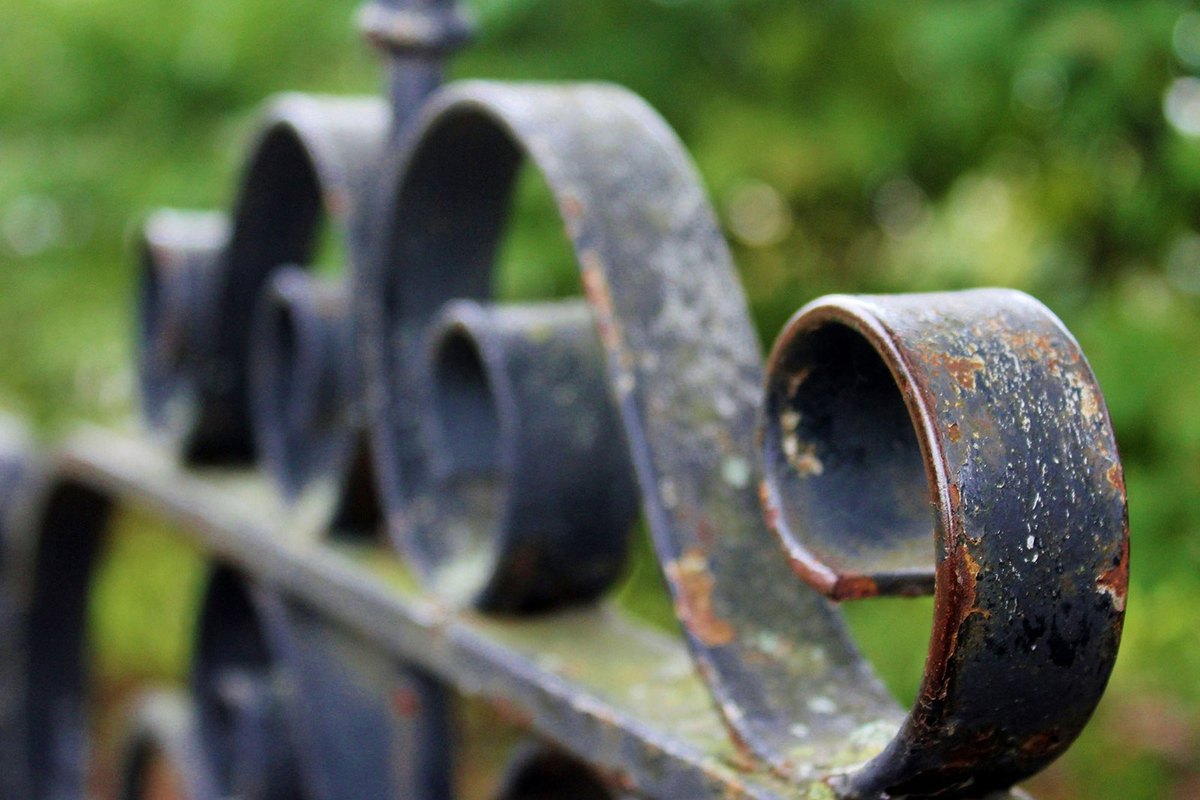
Look for rust
Inspect the gate carefully, especially welds, the bottom of the leaves, corners and where hinges and bolts are fixed. The earlier you spot rust, the easier it is to remove: a small spot takes a minute, while deep corrosion eats right through the metal.
Step 4
Remove the rust
Sand or wire brush rusty areas back to bare metal. Work evenly and do not rub too hard around them, so you do not damage sound paint.
After sanding, wash these areas again and let the gate dry for at least half an hour.
Step 5
Prime and paint
Apply an anti-corrosion metal primer to the bare areas. Aerosol primer is the easiest to use. For better protection apply two coats, letting the first one dry.
Once the primer is dry, paint in the gate colour.
Step 6
Lubricate locks, bolts and hinges
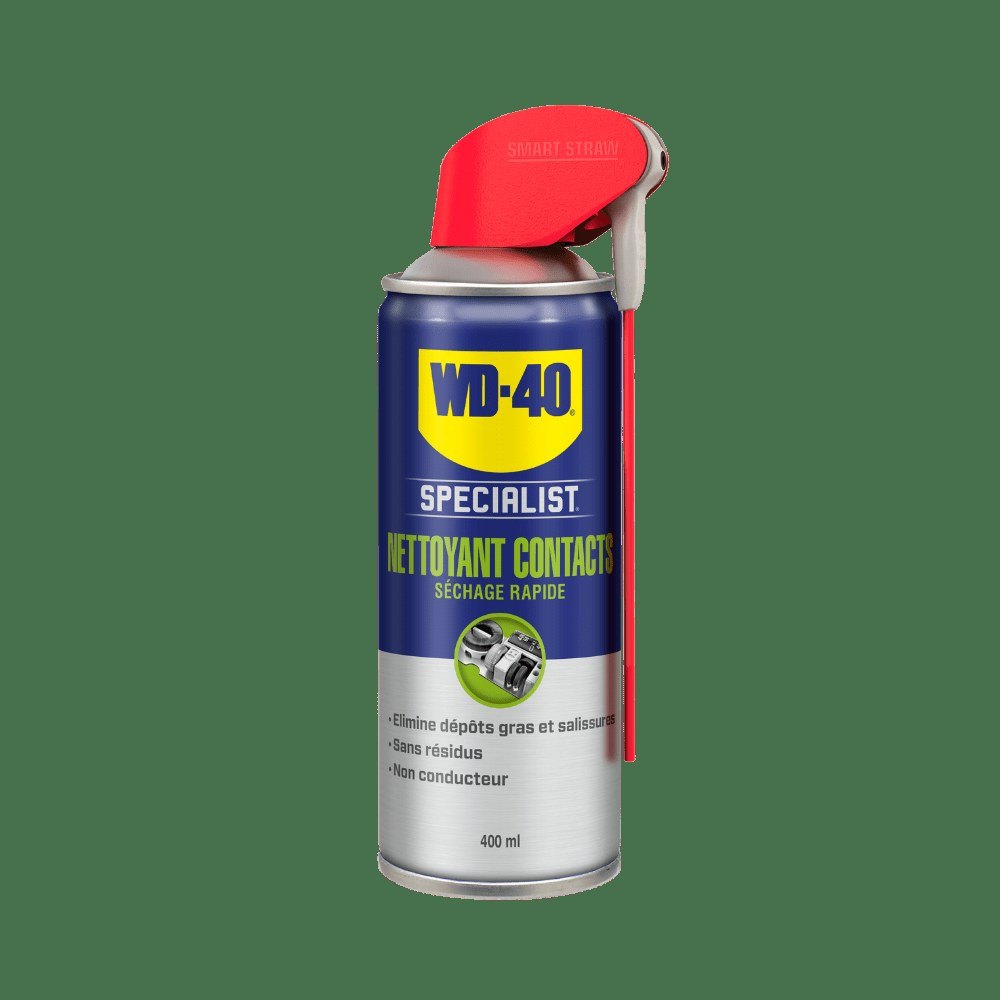
Spray WD-40 Multi-Use into the lock cylinder and onto bolts and latches, then work the key and handle several times. It displaces moisture, dissolves dirt and protects against rust. For precise application into the keyhole, WD-40 Smart Straw is handy.
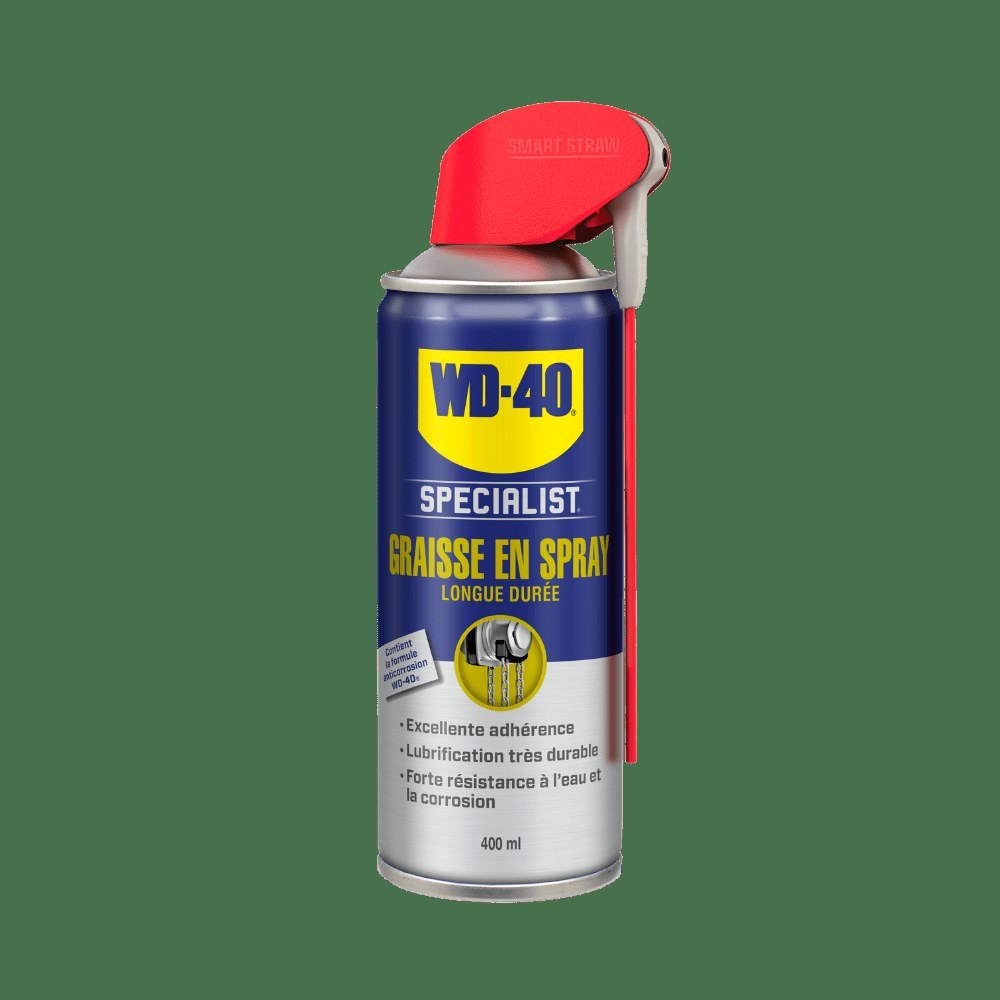
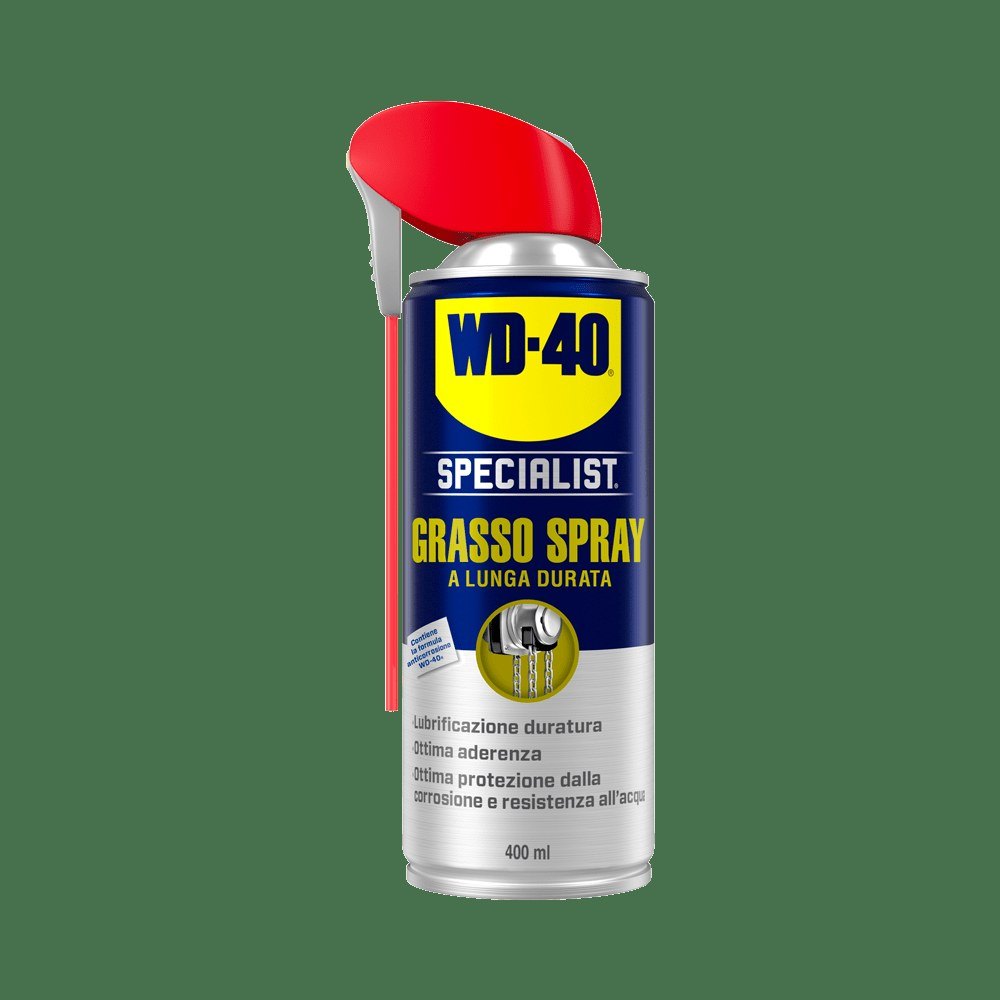
Once clean, grease the hinges with WD-40 Specialist White Lithium Grease. The thick grease does not run and stays put on parts carrying the weight of the leaf. Wipe off any excess.
Step 7
Check the gate's movement
Open and close the gate several times. The leaves should move smoothly without squeaking and the bolts should slide into their keepers easily. If a leaf has dropped and catches, tighten the hinge fixings.
Tip: Before the first frosts, treat the gate lock with WD-40: it drives moisture out of the mechanism so the key does not freeze in the cylinder.
What next
Do a full service twice a year and lubricate locks and hinges whenever they squeak or get stiff. If you have an automatic gate, see our guide to looking after the operator too.
These uses come from the experience of WD-40 users in many countries. Always follow the instructions and warnings on the product label.
More guides in «How to use».