Wardrobe, kitchen unit and sideboard doors eventually squeak, sag or rub against the frame. Usual causes: worn or loose hinges, stripped screw holes, wood swollen by damp or shrunk by heating, a door out of square and sticking locks.
Most of this can be fixed at home in an evening. Work carefully, especially on valuable furniture, and do not wait until a little play becomes a broken hinge.
What you will need
Important: Empty the shelves of crockery and heavy items before you start. Spray onto a cloth or apply precisely so you do not mark lacquered fronts, and test any product on a hidden area first.
Step 1
Check the hinge fixings
Open the door and see how the hinges sit on the door and the carcass. Simply tighten any loose screws. If a screw is seized or will not turn, apply a drop of WD-40 Specialist Penetrant, wait a few minutes and try again.
A screw that spins in a stripped hole can be replaced with a slightly thicker or longer one if the board is thick enough.
Step 2
Repair damaged screw holes
If the wood around a hole has split, remove the hinge, work PVA glue into the crack and clamp it, or hold it with a few small nails left proud. Refit the hinge after at least 24 hours.
Fill an oversized hole with a glued dowel or a few matchsticks, trim flush and drive the screw in again. On chipboard, two-part filler works better.
Step 3
Lubricate pivots and adjust the hinges
If the hinges are sound, they only need lubricating. For small pivots use WD-40 Multi-Use: it displaces moisture and stops squeaks. For lift-off hinges and heavy doors, WD-40 Specialist White Lithium Grease is better because it does not run and stays on the metal for a long time.
Concealed kitchen hinges are adjusted with screws: one moves the door sideways, another pulls it towards the carcass. Turn them half a turn at a time and check the gaps.
Step 4
Ease swollen or shrunken doors
In Ukraine's climate wood absorbs moisture in summer and dries out next to radiators in winter. You cannot restore the door to its original size, so the rubbing areas are carefully sanded or planed down.
Always seal the bare edges with wax, stain or varnish, otherwise the exposed wood will soak up moisture again.
Step 5
Correct a door that is out of square
Large doors can drop out of square as the corner joints loosen and the rectangle becomes a parallelogram. If the distortion is slight, a door on pin hinges can be raised a little by slipping a metal washer onto each pin. On ordinary hinges, treat it the same way as a swollen door.
Step 6
Free up furniture locks
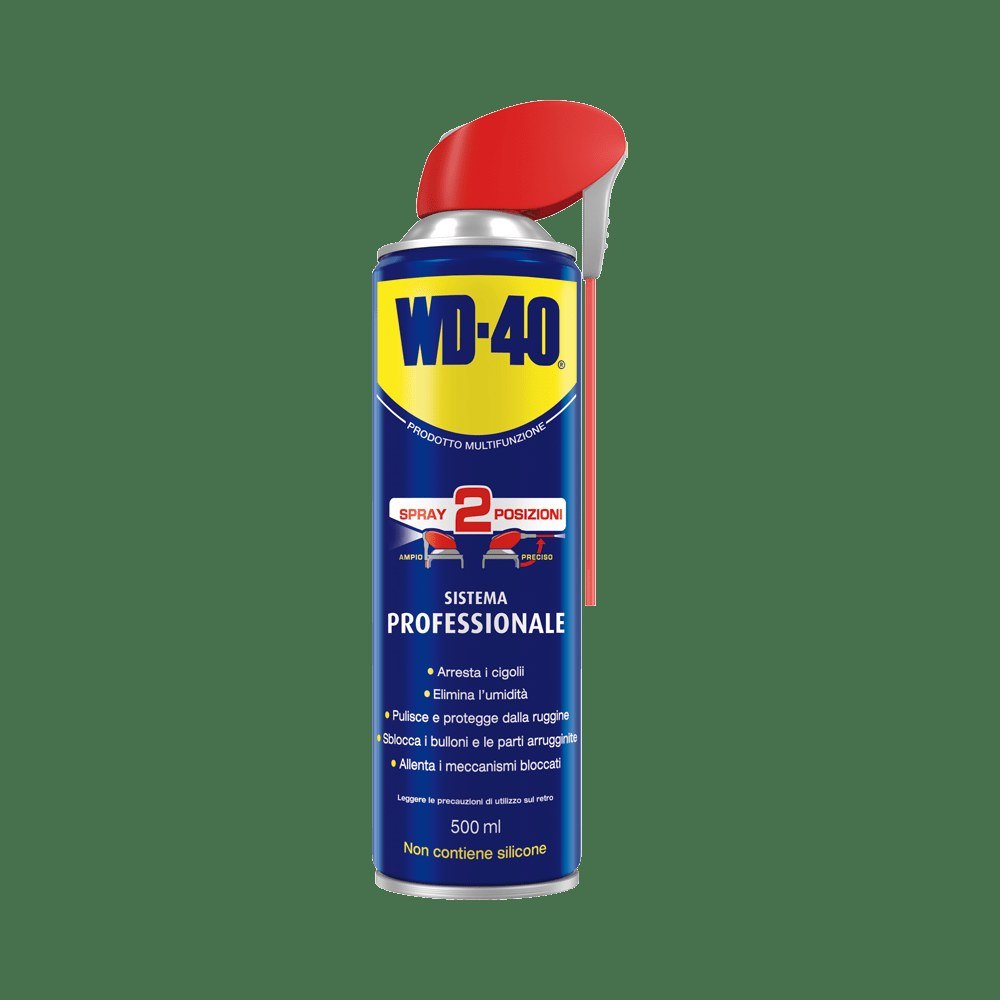
Try to revive a sticking lock without dismantling it first: spray WD-40 Smart Straw into the mechanism through the thin straw, turn the key several times and wipe off any excess. If a part is clearly broken, the mechanism will need replacing.
Tip: Once a year, before the heating goes on, tighten every hinge screw and put a drop of lubricant on each pivot. It takes 15 minutes.
What next
After the repair, open and close the door a few times to spread the lubricant and wipe off any residue. Keep WD-40 Multi-Use handy for locks and small mechanisms.
These uses come from the experience of WD-40 users in many countries. Always follow the instructions and warnings on the product label.
More guides in «How to use».