Wooden shutters add character to a facade and protect windows from sun, wind and prying eyes. Outdoor timber is constantly working, though: it gets soaked by rain, dries out in the sun and goes through frost and thaw in winter. Meanwhile the metal hinges rust and start to squeak.
Care comes in two parts: regular cleaning and lubrication of the hardware, and refreshing the finish roughly every five years. Both stages are covered below.
What you will need
- soft-bristled brush, sponge
- soda crystal based detergent, water
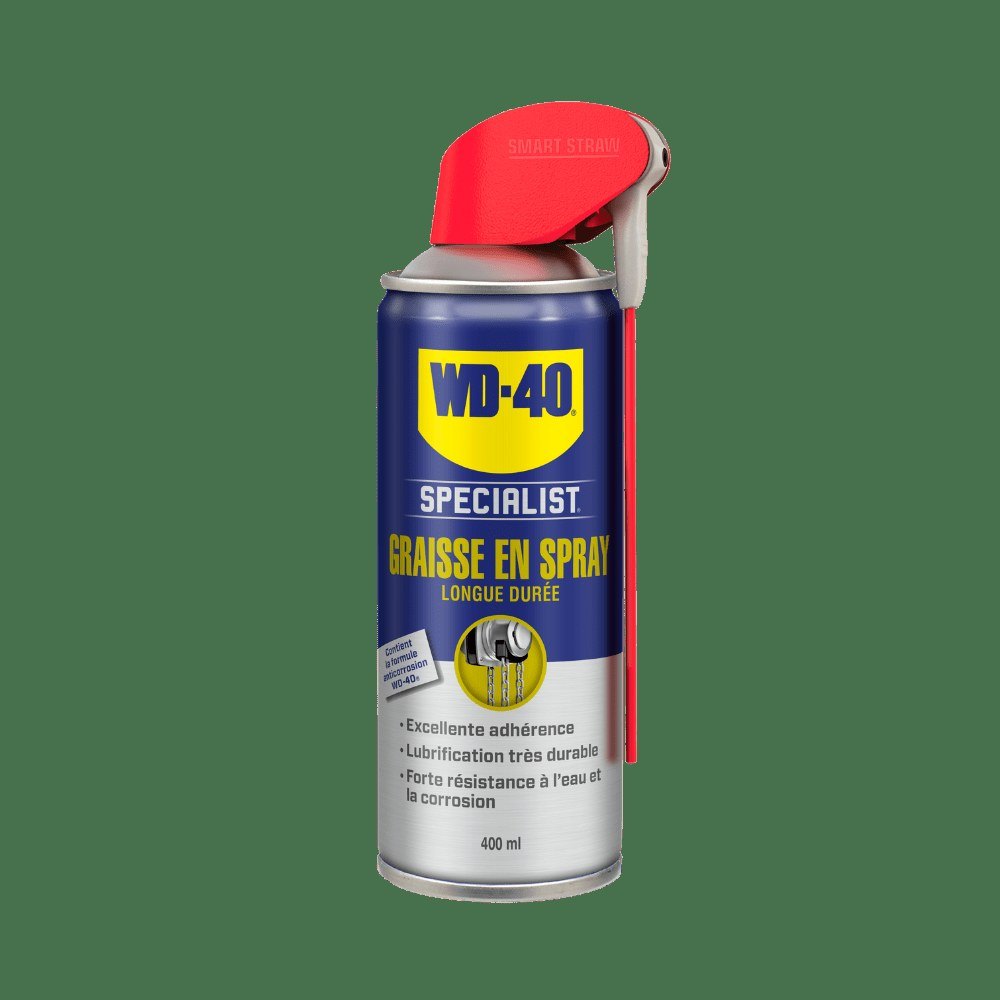
- WD-40 Specialist White Lithium Grease for the hinges
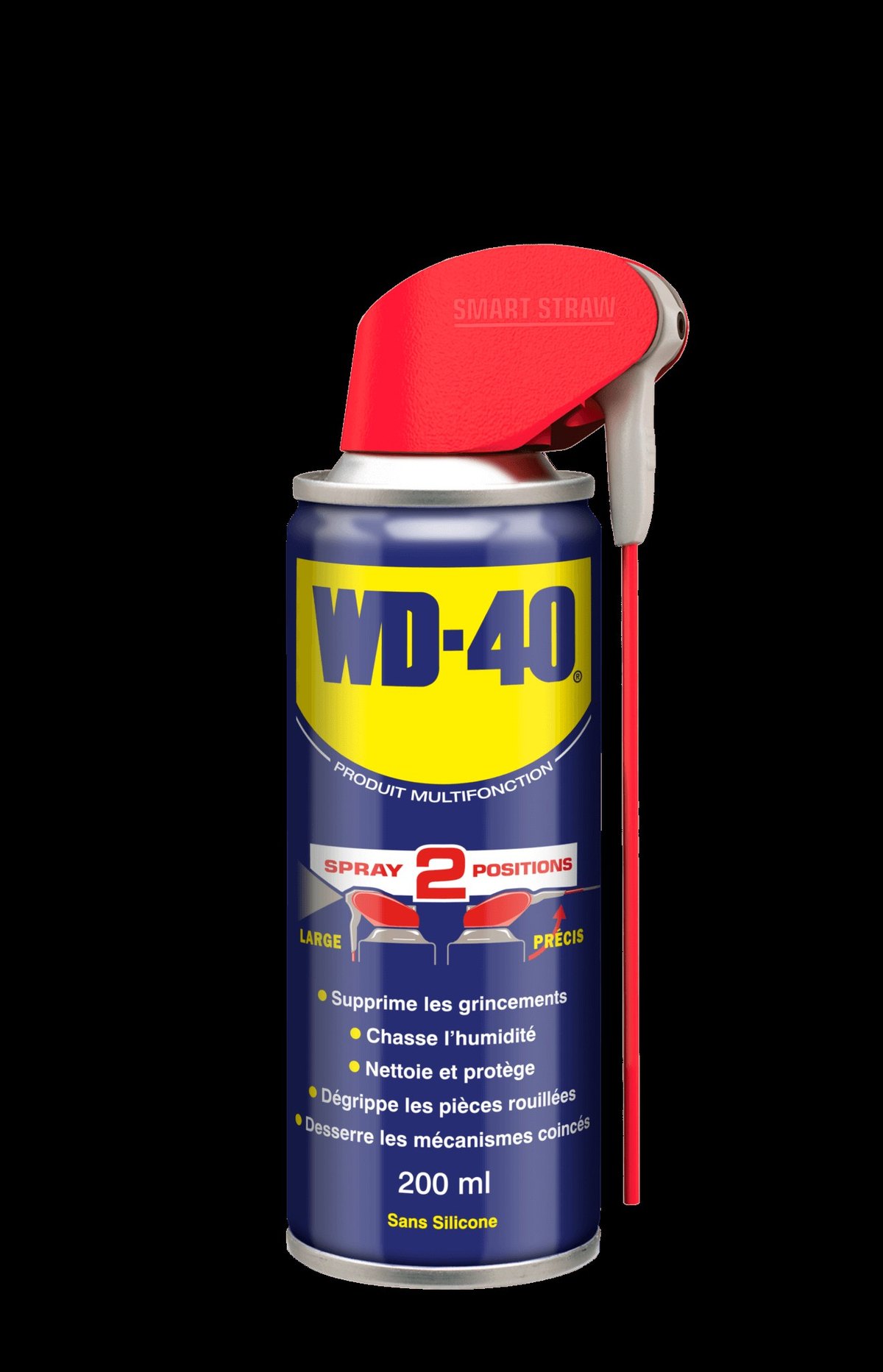
- WD-40 Multi-Use
- screwdrivers or spanners, wire brush, scraper
- wood paint stripper, 00 steel wool
- P80 and P120 sandpaper
- exterior wood preservative, paint, wood stain or varnish
- flat brush and a narrow brush for corners
Important: Wear gloves and safety glasses, especially when using stripper and sanding. Paint in dry weather at the temperature range stated on the finish packaging.
Step 1
Wash the shutters and lubricate the hinges
If the finish is sound, regular removal of dust and dirt is all you need. Brush with a soft brush, wash with a sponge and soda crystal detergent, rinse with clean water and dry. Remember to clean the hinges as well.
If the shutters squeak, apply WD-40 Specialist White Lithium Grease to the hinges: the thick grease stays put outdoors and resists rain. For a quick treatment that also shields metal from moisture, use WD-40 Multi-Use. Open and close the shutters a few times and wipe off the excess.

Step 2
Strip the old finish
Once paint or varnish starts flaking, washing alone is not enough. Take the shutters down and lay them on trestles or a workbench. Unscrew the hinge straps; if the screws have seized, apply WD-40 Specialist Penetrant and wait a few minutes.
Remove loose flakes with a wire brush, dust off and apply wood stripper with a flat brush. Leave it for the time the manufacturer states, lift the softened finish with a scraper and clean off the remains with 00 steel wool.
Step 3
Sand the timber
Bare timber must be sanded before refinishing, either by hand or with an orbital sander. Start with P80 paper, then go over it with P120 for a smooth surface. Remove the dust with a lint-free cloth.
Step 4
Treat the wood with preservative
Before the top coat, protect the shutters against insects, mould and fungus with a wood preservative compatible with your chosen finish. Use the flat brush on flat areas and the narrow brush in corners and grooves. Let it dry for the time stated on the tin. In a climate with damp springs and autumns this step matters a great deal.

Step 5
Paint and rehang
Apply wood stain, paint or varnish to the dry, treated timber. Start with grooves and awkward spots using the narrow brush, then do the flat areas with the flat brush. Apply two coats, letting the first one dry.
Before refitting, clean any rust off the metal hinges and treat them with WD-40 Multi-Use. Only screw the hardware back on and rehang the shutters once the finish is completely dry.
Tip: Check the bottom edge of the shutters every spring: water runs down to it and the finish cracks there first. Touching up that edge in time can put off a full refinish by several years.
What next
Wash the shutters and lubricate the hinges in spring and autumn, and renew the finish on average every five years. The same products work for garden gates and wooden side gates.
These uses come from the experience of WD-40 users in many countries. Always follow the instructions and warnings on the product label.
More guides in «How to use».