As soon as the warm days arrive you want to jump straight in, but a pool needs preparing after winter. Leaves and dirt collect under the cover, the water may have turned green, and the ladder and equipment can pick up rust after a damp winter. The pump, filter and fittings have also stood idle for months.
Below is the sequence for an in-ground pool with filtration. If your manufacturer says otherwise, follow their instructions.
What you will need
- a surface skimmer net, a deep net and a pool vacuum
- a bucket, mild soap and microfibre cloths
- spanners for the pump and filter fittings
- a pH and chlorine test kit and water treatment products
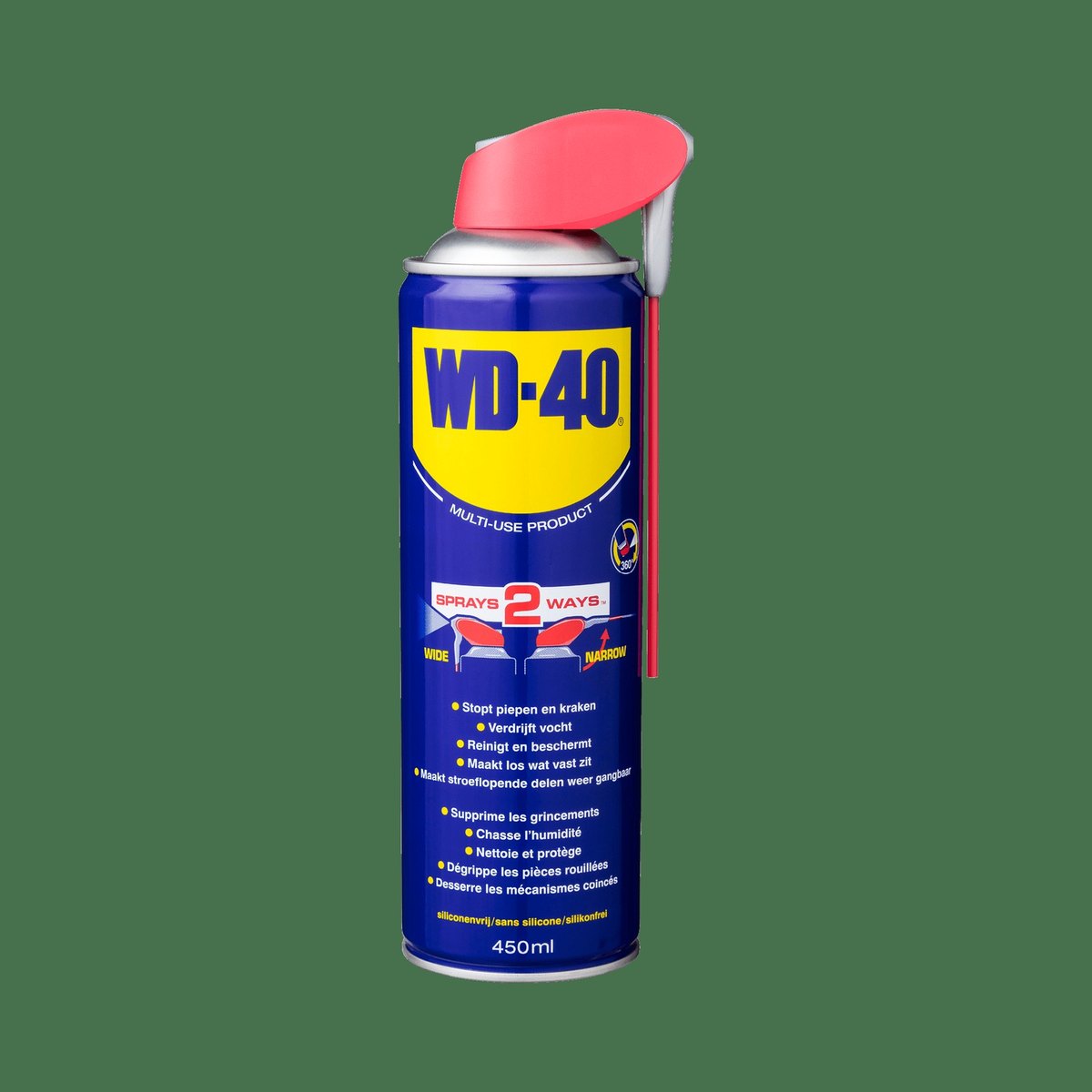
- WD-40 Smart Straw to protect metal parts
- WD-40 Specialist Penetrant for seized nuts and unions
Important: No WD-40 product should get into the pool water: treat parts away from the basin and wipe off all excess. Dose water chemicals strictly to the manufacturer's instructions, wear gloves and never mix products together.
Step 1
Remove the cover and clean the basin
Take off the winter cover, wash it with soapy water and let it dry fully before folding it: a damp cover goes mouldy in the garage. Skim leaves off the surface, then use the deep net and vacuum to clear the bottom.
Remove the winter floats and the plugs from the return jets, and clean the skimmers. Green water will be dealt with in the last step.
Step 2
Top up the water level
The level usually drops over winter. Top it up to the skimmer's working mark. Mains water is best: borehole water often contains iron and impurities that make the pool cloudy or give it a rusty tint.
Step 3
Start the filtration
Refit the O-rings in the fittings and tighten all plugs and unions from the pump to the valves. If nuts have seized over winter, wet the thread with WD-40 Specialist Penetrant, wait a few minutes and then undo them.
Fill the sand filter and pump pre-filter with water, open the valves, set the multiport valve to recirculate and switch on the pump. Once the system runs steadily, switch the valve to filter.
Step 4
Check for leaks
Walk round the system while it runs: pump, filter, fittings and heater. There should be no drips under the unions. If tightening does not help, replace the seals or call a pool service.
Step 5
Protect metal from rust
Remove the metal ladder and handrails, wash and dry them. With the straw raised, spray WD-40 Smart Straw on the ladder's metal parts and on brackets, bolts and equipment housings in the plant room, then rub it in and wipe off the excess with a dry microfibre cloth.
The thin film displaces moisture, protects against corrosion and makes the next clean easier. Only refit the ladder once it is dry and no product remains on it.
Step 6
Balance the water
Test the water with the kit. Keep pH between 7.2 and 7.4, adjusting it with pH increaser or reducer. Then shock-chlorinate and place chlorine tablets in the skimmer or a dispenser, following the dosage on the pack exactly. After that, test pH and chlorine once or twice a week.
Tip: Spring often brings warm days and frosty nights. Wait until night temperatures stay above zero before starting the system, or water in the pipes and pump could freeze.
What next
During the season, check the ladder and metal fixings once a month and refresh the protection with WD-40 Multi-Use away from the pool. Repeat the treatment in autumn before closing the pool so the equipment gets through winter safely.
These uses come from the experience of WD-40 users in many countries. Always follow the instructions and warnings on the product label.
More guides in «How to use».