A roadworthiness inspection checks that a car is safe to drive. It may be required for registration or commercial use, and many drivers book a voluntary check at a workshop before a season or a sale. In every case the inspector looks at the same things.
Most failures come down to small items you can fix at home in an hour: a blown bulb, a worn wiper blade, an empty washer reservoir. Run through this list in advance.
What you will need
Important: Never apply any lubricant to the windscreen, the rubber of the wiper blades, brake discs or tyres. When checking the lights, do not look directly into the headlights.
Step 1
Check the wipers and washers
Blades should have no tears and should not leave streaks. If the rubber has hardened or cracked, replace them. Top up the washer reservoir, using a winter screen wash in cold weather.
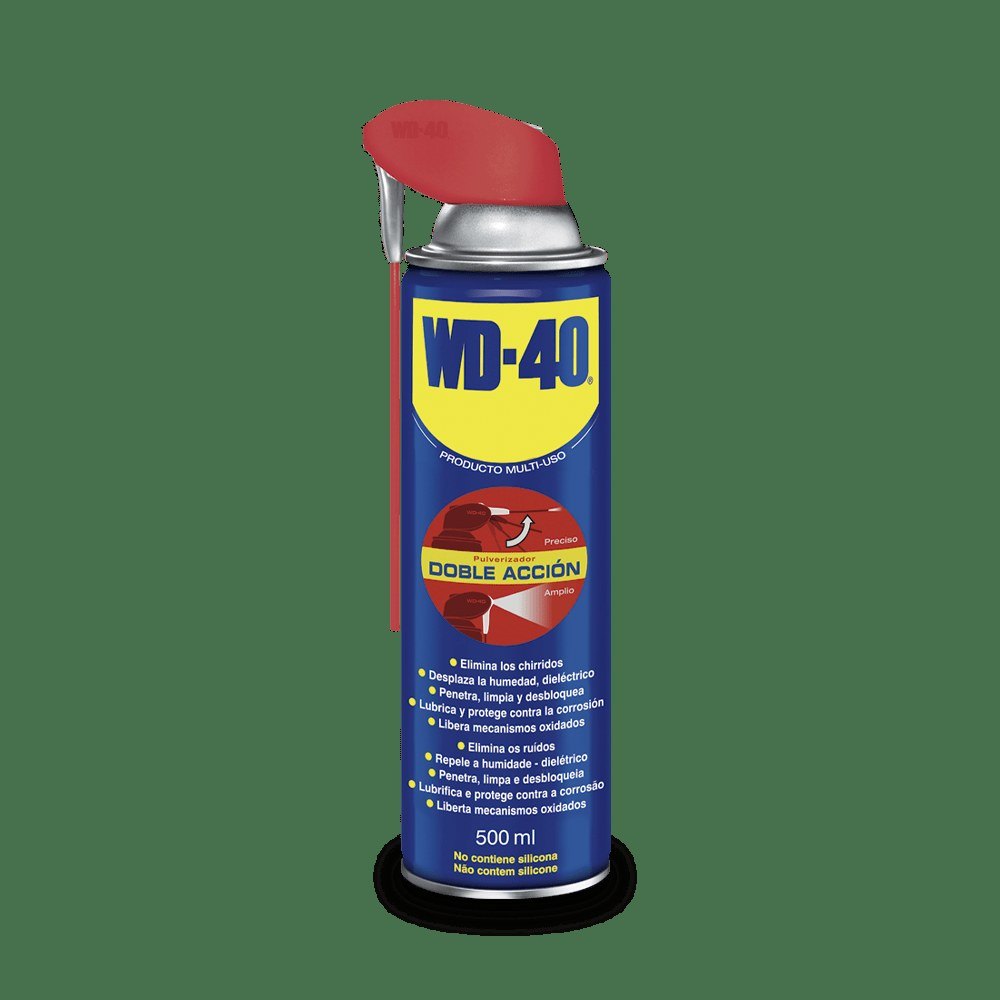
Wiper arm pivots often stiffen from moisture and salt. Apply a little WD-40 Multi-Use to them, keeping it off the glass and rubber, and run the wipers a few times.
Step 2
Check every light
Ask a helper to stand behind the car and switch on, one by one, the side lights, dipped and main beam, indicators, hazard lights, fog lights, brake lights and reversing light. Replace any blown bulbs in advance.
If a lamp works only some of the time, an oxidised connector is a common cause. Unplug it, spray with WD-40 Specialist Contact Cleaner, let it dry and reconnect.
Step 3
Clean the headlights and tail lights
Dirty or filmed-over headlights give less light. Wash them, then remove road film, insects and tar with WD-40 Multi-Use: apply it to a cloth, wipe the lens for a few minutes and buff dry with a clean microfibre.
Test on a hidden area of plastic first. Yellowed lenses need proper polishing.
Step 4
Inspect the tyres
Check tread depth and look for cuts, bulges and uneven wear. Remaining tread must be above the legal minimum, otherwise the tyres must be replaced. Set the pressure from the sticker on the door pillar or the owner's manual.
Mind the season: turning up in winter on summer tyres may earn a remark.
Step 5
Assemble the emergency kit and documents
Make sure the warning triangle is intact, the first aid kit is complete and in date, the extinguisher is charged and the vest is inside the cabin. Have the vehicle documents and a valid insurance certificate ready.
Check that doors, bonnet and boot open and close easily. Treat the seals with WD-40 Specialist Silicone and lubricate locks and hinges with WD-40 Multi-Use.
Tip: Run through this list a week before the inspection, not on the day. That leaves time to buy a bulb or blades and avoid a second visit.
What next
The same checks are worth repeating twice a year when you change tyres for the season. Keep a WD-40 100 ml can in the boot for small problems on the road: a sticking lock, a damp contact, a squeaky hinge.
These uses come from the experience of WD-40 users in many countries. Always follow the instructions and warnings on the product label.
More guides in «How to use».