A holiday, a visit to family in another city or a trip abroad: before a long journey, start preparing the car at least two weeks ahead. If something turns up, there will be time to fix it calmly.
Below is a basic list of checks you can easily do yourself, plus a few tips to keep the trip clean, comfortable and free of surprises.
What you will need
Important: Check engine oil and coolant only when the engine is cold: opening the expansion tank on a hot engine is dangerous. Keep lubricants away from brakes, tyres and glass.
Step 1
Book a service in good time
If you are not confident with mechanics, book a check with a mechanic two weeks before the trip. Ask them to look at the suspension, belts, brake pads and discs. Replace worn pads and discs before you leave.
Step 2
Tidy the interior and wash the body
Clear out rubbish, vacuum the interior and wipe the dashboard with a damp cloth so every gauge is easy to read. Wash the body with warm water and car shampoo.
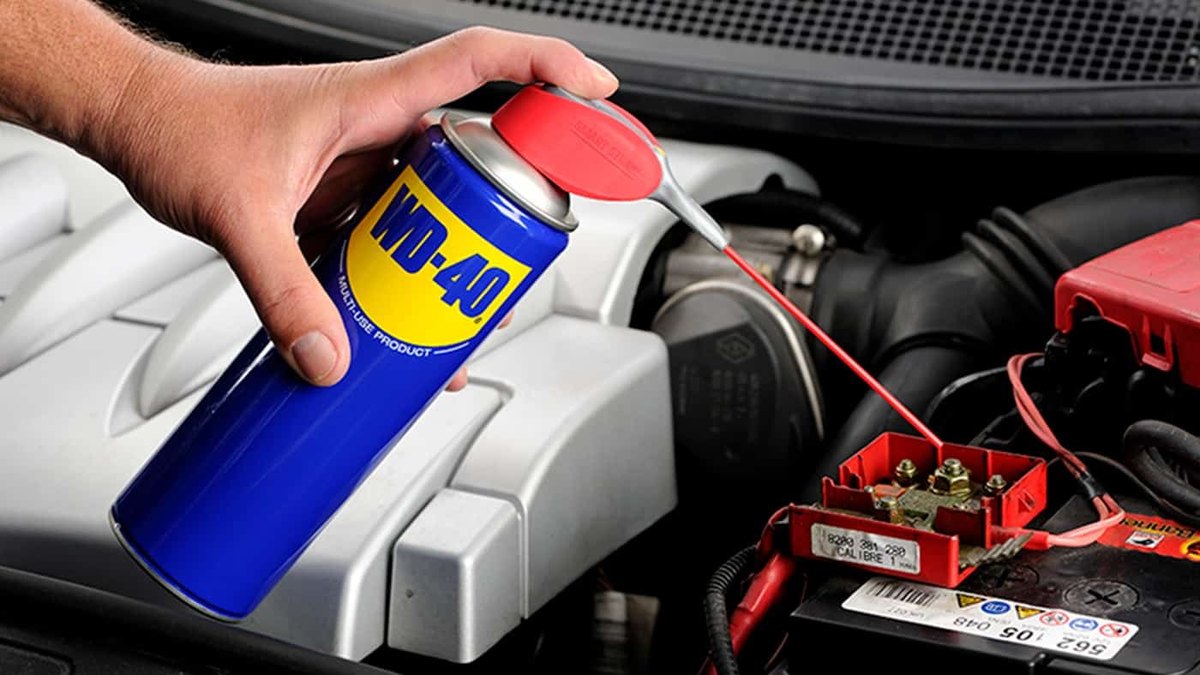
Remove stubborn grime, tar, bird droppings and spills around the fuel cap with WD-40 Multi-Use on a damp cloth. Wipe hubcaps and wheels with a cloth sprayed with the product and remove the excess. Dry the body with microfibre.
Step 3
Check fluids, tyres and lights
Engine oil should sit between the dipstick marks. Coolant protects the engine from overheating in summer traffic and from freezing in winter. Top up the screen wash, using a winter mix in cold weather.
Set tyre pressures for the load (see the door-jamb sticker or manual), check the tread for uneven wear, and make sure the spare, jack and locking wheel nut key are in the car. Ask someone to check the rear and brake lights.
Step 4
Inspect the battery
Make sure the battery is secure and the terminals are free of deposits. Charge or replace it before the trip if needed.
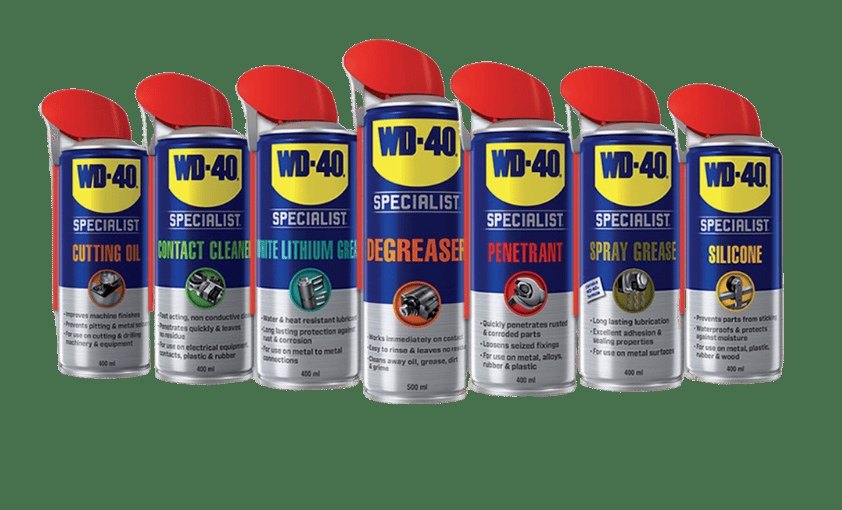
Clean and tighten the terminals and treat them with WD-40 Multi-Use: it displaces moisture and protects against corrosion. It also helps free seized terminal nuts.
Step 5
Lubricate hinges, locks and seals
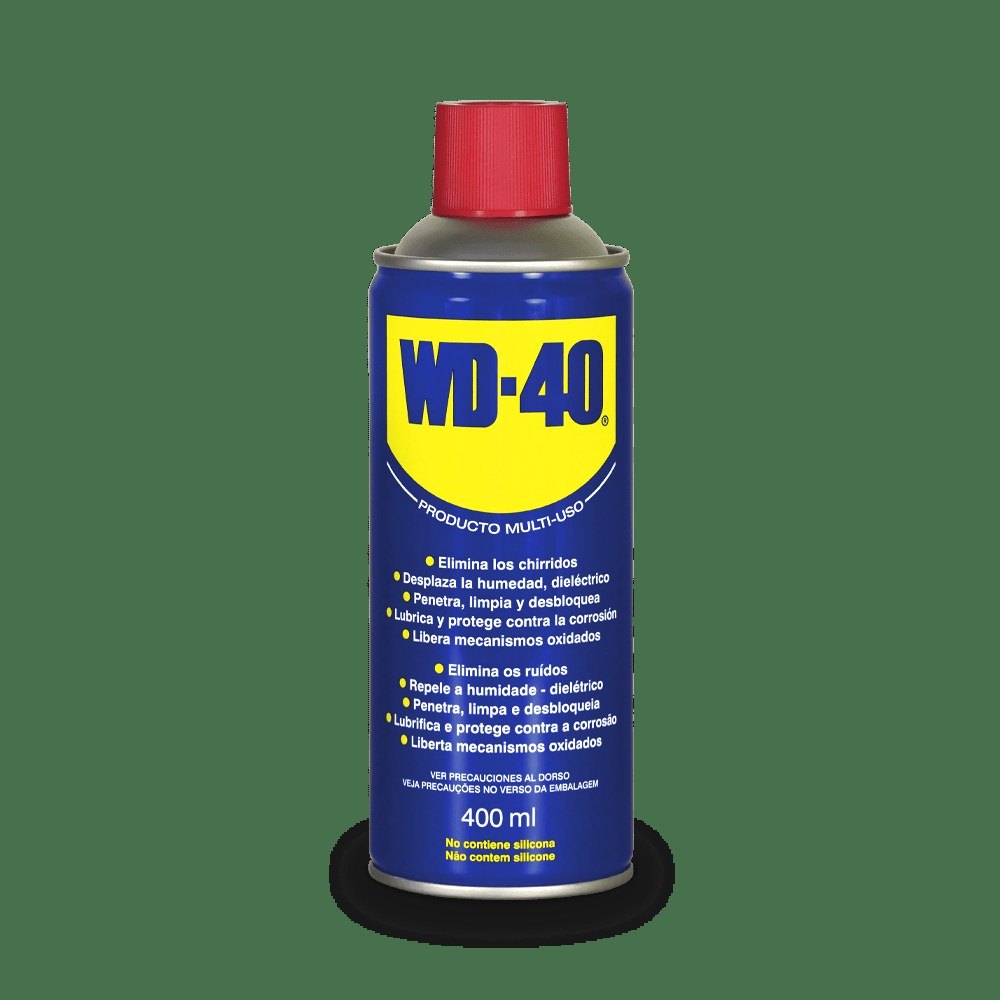
Treat door hinges, check straps and lock mechanisms with WD-40 Specialist White Lithium Grease, work the doors a few times and wipe off the excess. Doors will not squeak or stick.
Spray door and boot seals with WD-40 Specialist Silicone and spread it with a microfibre cloth. The rubber will not crack or freeze shut in winter.
Step 6
Pack documents and an emergency kit
Check that vehicle documents and insurance are valid. If you are driving abroad, make sure your cover applies in every country on the route.
Pack a warning triangle, hi-vis vest, first aid kit and fire extinguisher. In winter add warm clothing, a snow brush, a shovel and a tow rope if you might get stuck in snow or mud. A small WD-40 100 ml can in the glovebox helps with a sticking lock or a damp contact.
Tip: Photograph your documents, policy number and breakdown contacts on your phone in case the paper copies go missing.
What next
When you get back, wash the car, especially the underside if you drove on salted roads or dirt tracks, and check the tyres. Hinges and locks need lubricating about twice a year, and seals should be treated before every winter.
These uses come from the experience of WD-40 users in many countries. Always follow the instructions and warnings on the product label.
More guides in «How to use».