A rusty screw spoils the look of garden furniture, a fence or a pergola, and worse, it becomes almost impossible to undo: the slot strips, the head snaps, and a five-minute job takes all evening. Corrosion appears fastest where there is moisture and salt: outdoors, near water, in the bathroom and, in winter, in a garage where the car brings in road salt.
Protecting fixings is much easier than drilling them out later. Here is how to do it in storage, during assembly and in routine maintenance.
What you will need
Important: Lubricant on a thread reduces friction, so the screw tightens more easily. For critical joints with a specified torque (wheels, load-bearing structures), follow the manufacturer's requirements and do not lubricate threads unless they allow it.
Step 1
Check your stock and installed fixings
Go through your boxes of screws: set aside any with the first orange specks and throw away badly rusted ones. Inspect fixings outdoors, in the bathroom and on the balcony so you know what to treat first.
Step 2
Treat screws before storage
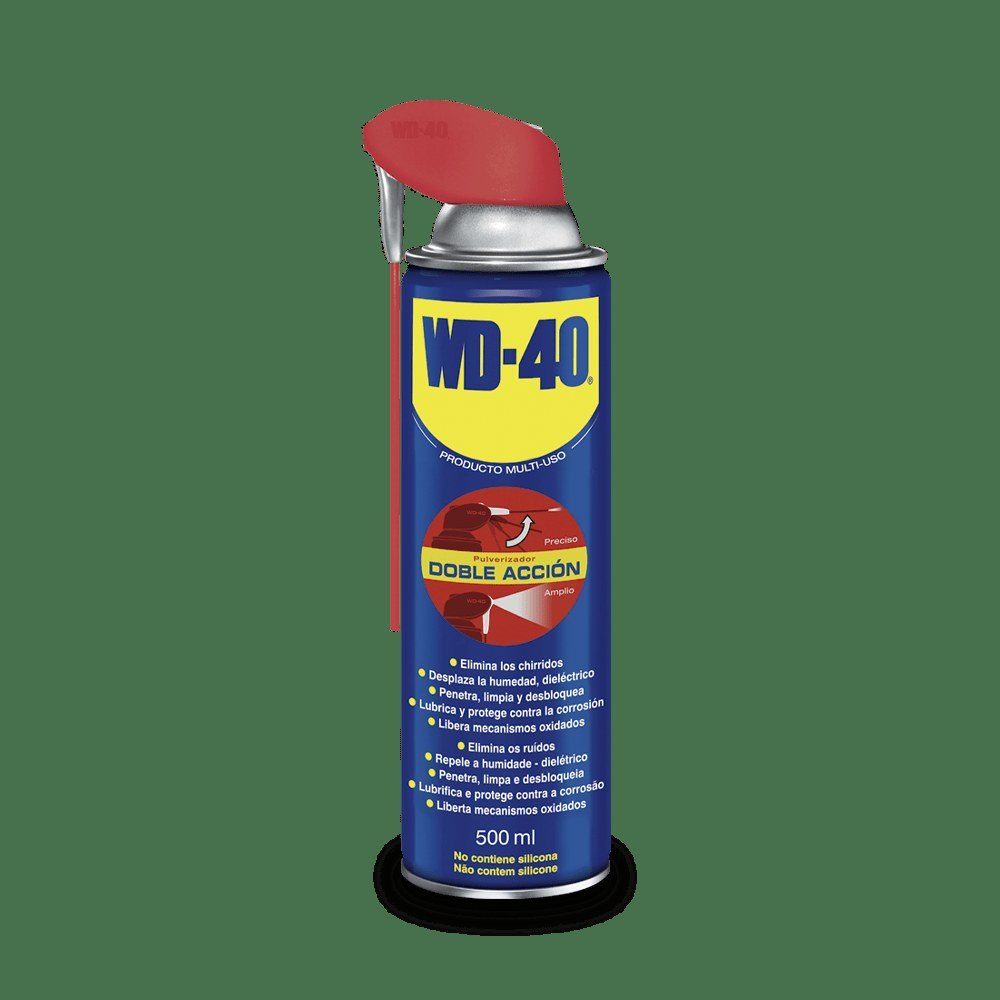
Tip the screws onto a piece of cardboard, spray them with WD-40 Multi-Use and stir them so every side is covered. It displaces moisture and leaves a thin protective film. Let them drain for a few minutes.
Step 3
Remove the excess
Wipe the screws with a dry rag. The film should be barely visible so fixings are not slippery in your fingers and do not collect dust.
Step 4
Store them somewhere dry
Put fixings in closed containers and keep them indoors, not in a damp cellar or unheated shed. Even treated metal rusts if it sits in condensation for months.
Step 5
Protect during assembly
Before driving screws in damp places, coat the whole screw. If it becomes slippery, start it in the hole first, then treat the head and visible shank with the WD-40 Smart Straw.
For bolts on garden furniture, swings and gates exposed to rain and snow, apply WD-40 Specialist White Lithium Grease to the thread: it does not wash off and lets you undo the joint years later.
Step 6
Renew the protection
Spray exposed screw heads outdoors with WD-40 in spring and autumn. If a screw has already seized, apply WD-40 Specialist Penetrant, wait 10-15 minutes and only then undo it with a well-fitting screwdriver.
Tip: By the sea, in bathrooms and anywhere road salt appears in winter, choose stainless or properly galvanised fixings. Protective treatment extends the life of these and ordinary screws alike, but it is no substitute for the right material.
What next
Two treatments a year for outdoor fixings and a treatment before storage for your stock solve the problem of rusty screws almost entirely. Hinges, latches and handles held by those screws deserve the same care.
These uses come from the experience of WD-40 users in many countries. Always follow the instructions and warnings on the product label.
More guides in «How to use».