Even a well painted gate rusts in time: the paint cracks with temperature swings and moisture gets into cracks, seams and spots the brush never reached. The sooner you deal with rust, the less work it takes and the longer the metal lasts.
Here is how to assess the gate and fence, remove both small spots and large rusty areas, and prepare the metal for painting. Allow a full day for a long fence, or even a weekend.
What you will need
- a bucket, mild detergent, a sponge, a scrubbing brush and a garden hose
- a wire brush and sandpaper
- a cordless drill with a set of wire brush attachments
- a filling knife and metal filler
- WD-40 Specialist Penetrant for stubborn rust
- WD-40 Multi-Use
- rust-inhibiting primer, metal paint, safety glasses, gloves and a dust mask
Important: Wear safety glasses, gloves and a dust mask when removing rust with a drill and wire brushes: fine particles of rust and old paint fly a long way.
Step 1
Wash the gate
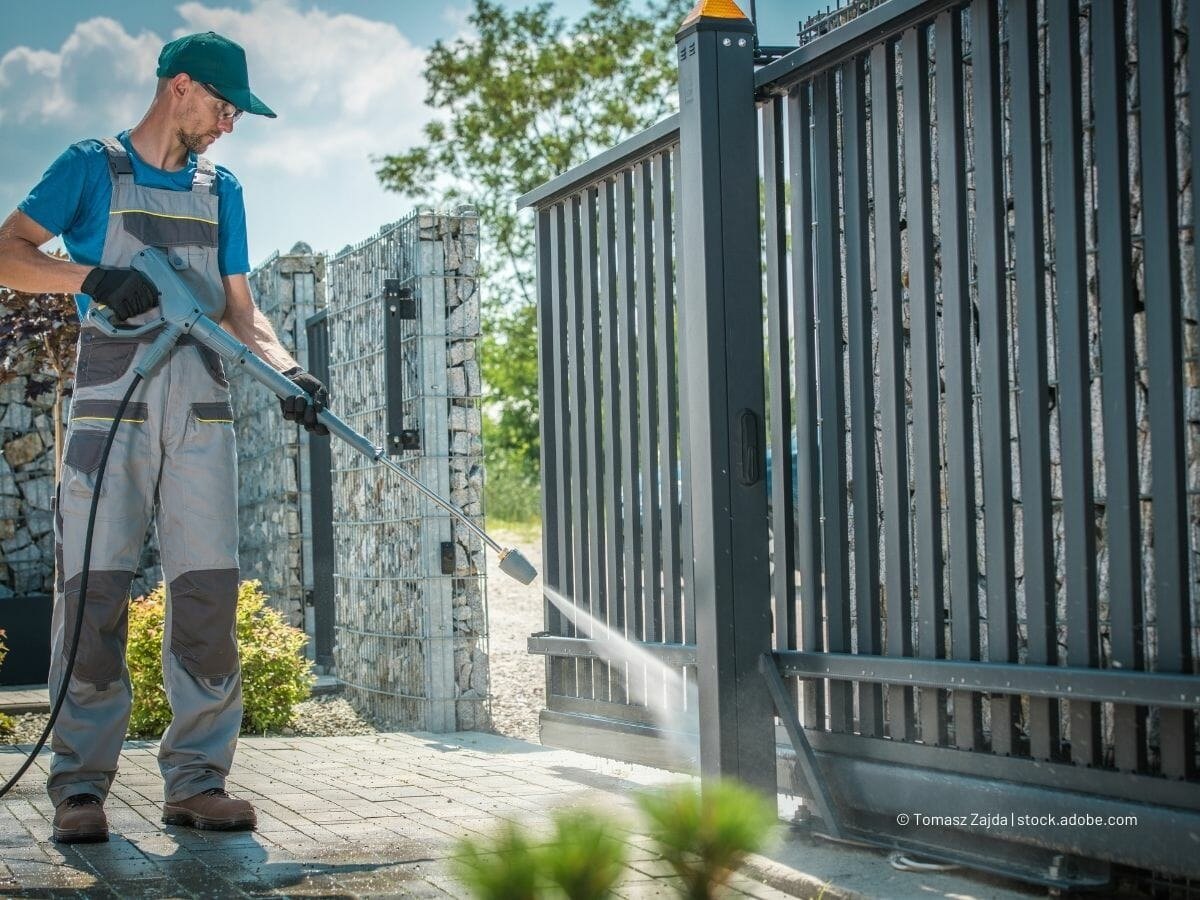
Mix a mild detergent with warm water, apply it with a sponge and scrub all surfaces with a brush. Rinse with a hose until no soap remains, as residue causes discolouration. Dry with a towel and let it air dry for another half hour.
Step 2
Assess the rust
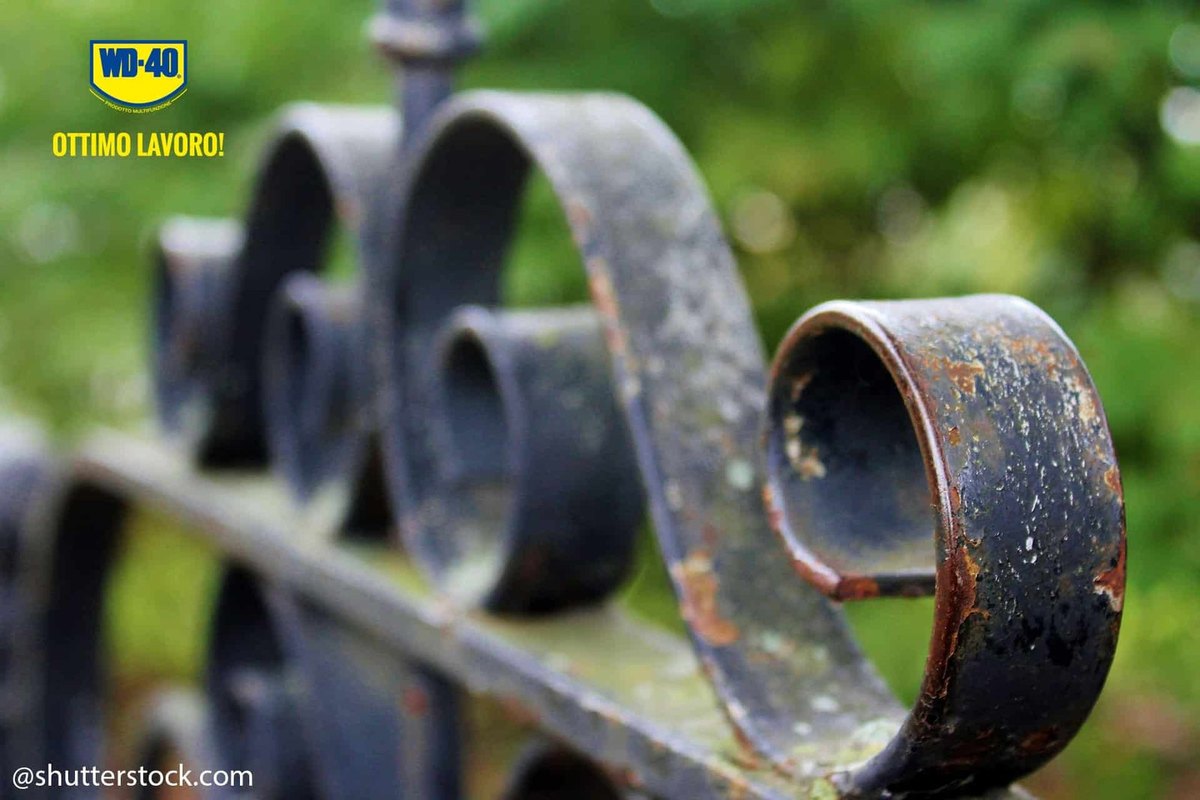
This decides how much work is needed. There are three stages: isolated orange spots with lifted paint; large areas where the paint has gone; and almost complete rust with flaking metal. Check both sides of the gate, the bottom of the posts and areas near the ground where water and snow linger.
Step 3
Treat isolated spots
Spray the rusty spots with WD-40 Multi-Use and wait a few minutes for it to work under the rust. Then scrub hard with a wire brush and sandpaper down to bare metal without damaging the sound paint around it. Loosen stubborn rust in corners and on fixing bolts first with WD-40 Specialist Penetrant.
Step 4
Use a drill on large areas
On a large area a hand brush is too slow. Use a cordless drill with brush attachments: a wide disc brush for open surfaces and smaller cup or cylinder brushes for corners and scrollwork. If pitting appears after cleaning, fill it with metal filler and sand it smooth.
If the rust is total and the area is large, it is sensible to hire a professional sandblasting service.
Step 5
Clean, prime and paint
Wipe the cleaned metal with a rag and WD-40 Multi-Use to pick up dust and rust residue, then degrease thoroughly before priming. Apply a rust-inhibiting primer, working it into pits and seams with an old toothbrush. When dry, apply two coats of metal paint.
Step 6
Lubricate locks, hinges and the drive
Spray the lock, bolts, latches and sliding gate rails with WD-40 Multi-Use: it displaces moisture, protects against new rust and stops squeaks. Grease the load-bearing hinges with WD-40 Specialist White Lithium Grease, which lasts a long time and is not washed out by rain.
Tip: Vinegar and baking soda also remove rust, but on a large metal structure they take far too long. A wire brush, WD-40 and a drill get the job done in hours rather than days.
What next
Wash the gate and fence twice a year, treat the mechanisms with WD-40 every few months and repaint fully every year or two depending on condition. To stop rust coming back, see our guide on protecting iron gates.
These uses come from the experience of WD-40 users in many countries. Always follow the instructions and warnings on the product label.
More guides in «How to use».