A large pan for paella, stir-fries or cooking over a campfire usually comes out in summer, at the country house or for guests, and with the first bad weather it goes into the cupboard until next season. Traditional paella pans are made of carbon steel, which rusts very quickly if it is put away not quite clean and dry.
Rust spots do not mean the pan is ruined. Below is how to remove the rust, wash the pan ready for cooking and prepare it properly for storage so you do not have to start again in spring.
What you will need
Important: WD-40 is not a food product. After removing the rust, always wash the pan twice with washing-up liquid and rinse it before cooking. Use steel wool only on bare steel: it will damage an enamelled or non-stick pan. Wear gloves and glasses and work in a ventilated place.
Step 1
Remove dust and food residue
A pan that has been stored for a long time is usually dusty and sometimes still has grease from its last use. Wash it with a sponge, washing-up liquid and a little water.
The rust will not go at this stage, but you will clear away dirt that would stop the product reaching it. Dry the pan thoroughly with a tea towel.
Step 2
Apply WD-40 to the rust
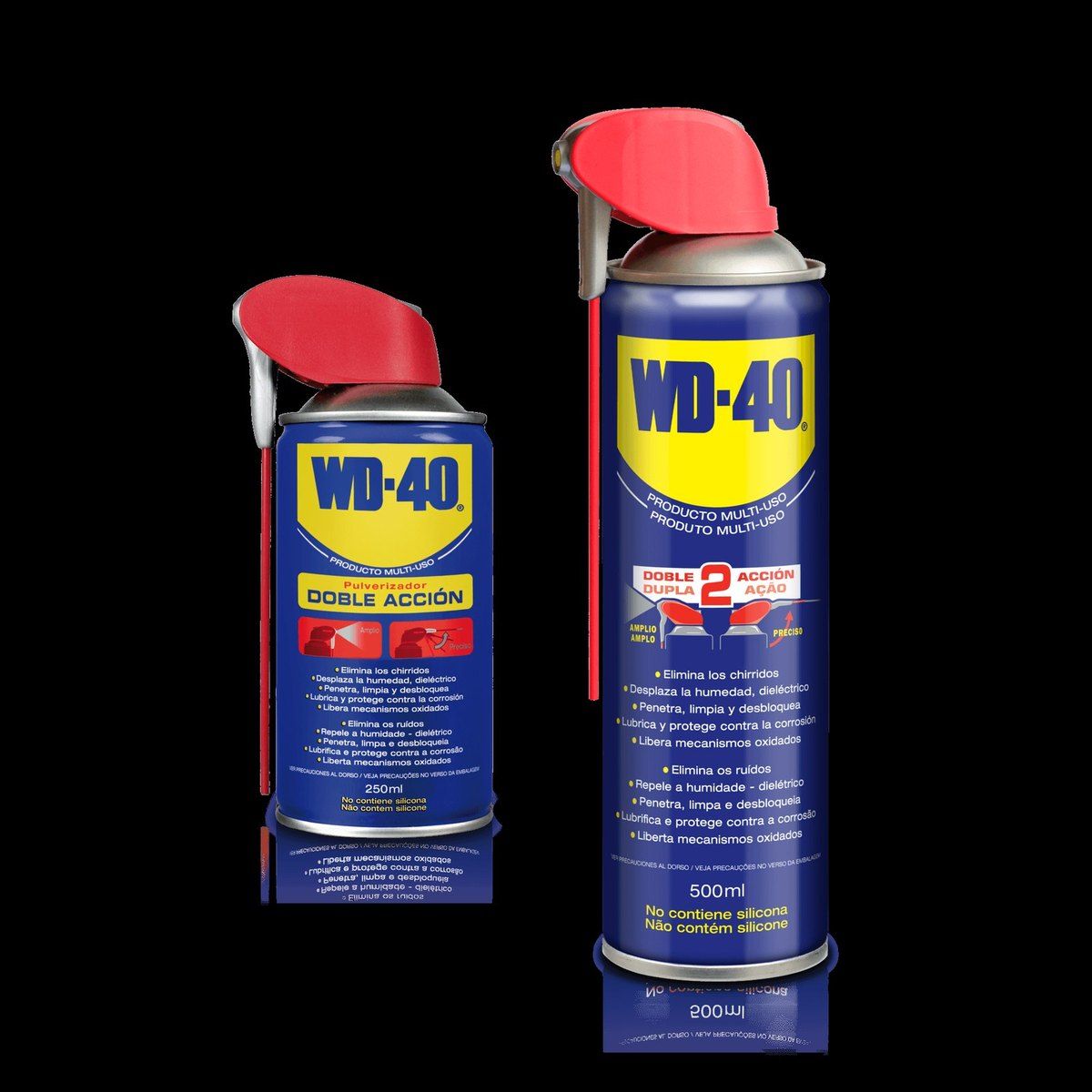
Put on gloves and glasses and apply WD-40 Multi-Use generously so the whole affected surface is well soaked. For individual spots and areas near the handles, WD-40 Smart Straw with its straw is easier.
Leave it for at least 10 minutes. The product penetrates under the rust and softens it, so it takes less effort to remove.
Step 3
Rub off the rust with steel wool
Rub the affected areas with steel wool, removing the rust gradually. Do not press too hard, or you may leave deep scratches in the base.
On stubborn spots, apply again and wait a few more minutes. When the metal is clean and even, rinse the pan with water.
Step 4
Wash the pan clean
Wash the pan twice with washing-up liquid so that no rust or product remains. Rinse with hot water, especially around the handles and rim.
Dry it straight away with a tea towel, then warm it on the hob or over the fire for a few minutes to drive out any moisture left in the pores of the metal.
Step 5
Prepare it for storage
If the pan is going away for a long time again, protect it from moisture. Once it has cooled completely, apply a thin layer of WD-40 Multi-Use, spread it with a towel, wrap the pan in paper and store it somewhere dry, not in a damp cellar or on a balcony.
Before you next cook with it, wash it twice with washing-up liquid again and warm it through. If you cook with it often, a thin wipe of cooking fat after each use is enough.
Tip: Never leave a steel pan soaking in water overnight or put it in the dishwasher: that is exactly how rust starts. Wash it straight after cooking and always dry it by warming it through.
What next
Inspect the pan before the season starts, and wash and dry it fully after every use. WD-40 Multi-Use also helps with the barbecue, grill grates, the outside of skewers and garden furniture that spends the winter at the country house.
These uses come from the experience of WD-40 users in many countries. Always follow the instructions and warnings on the product label.
More guides in «How to use».