Garden tools left in the shed over winter, bike parts, metal shelving in the cellar or the gate at the country house: without care, metal soon turns rusty. Wet autumns, winter thaws and road salt all make the problem worse.
There is no need to throw a rusty item away. If the corrosion is only on the surface it can be removed in a few simple steps, and the thin film of lubricant left behind stops rust coming back quickly.
What you will need
Important: Rusty metal often has sharp edges and burrs, so wear sturdy gloves. Protect your eyes with safety glasses when using a wire brush.
Step 1
Remove loose rust
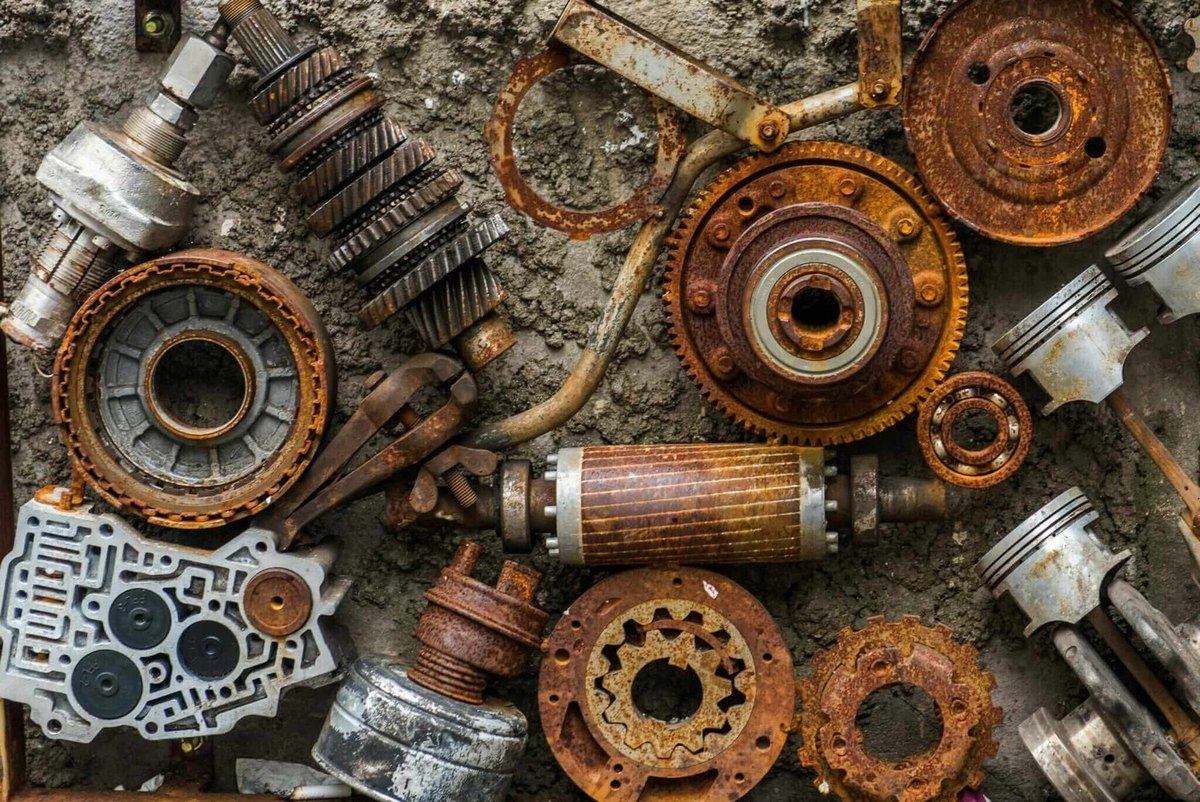
Put on gloves and go over the whole rusty surface with a wire brush, removing flakes and loose deposits. The more thoroughly you clean at this stage, the better the next steps work.
If the item is dirty or greasy, wash it first with hot soapy water and dry it.
Step 2
Patch test on a hidden area
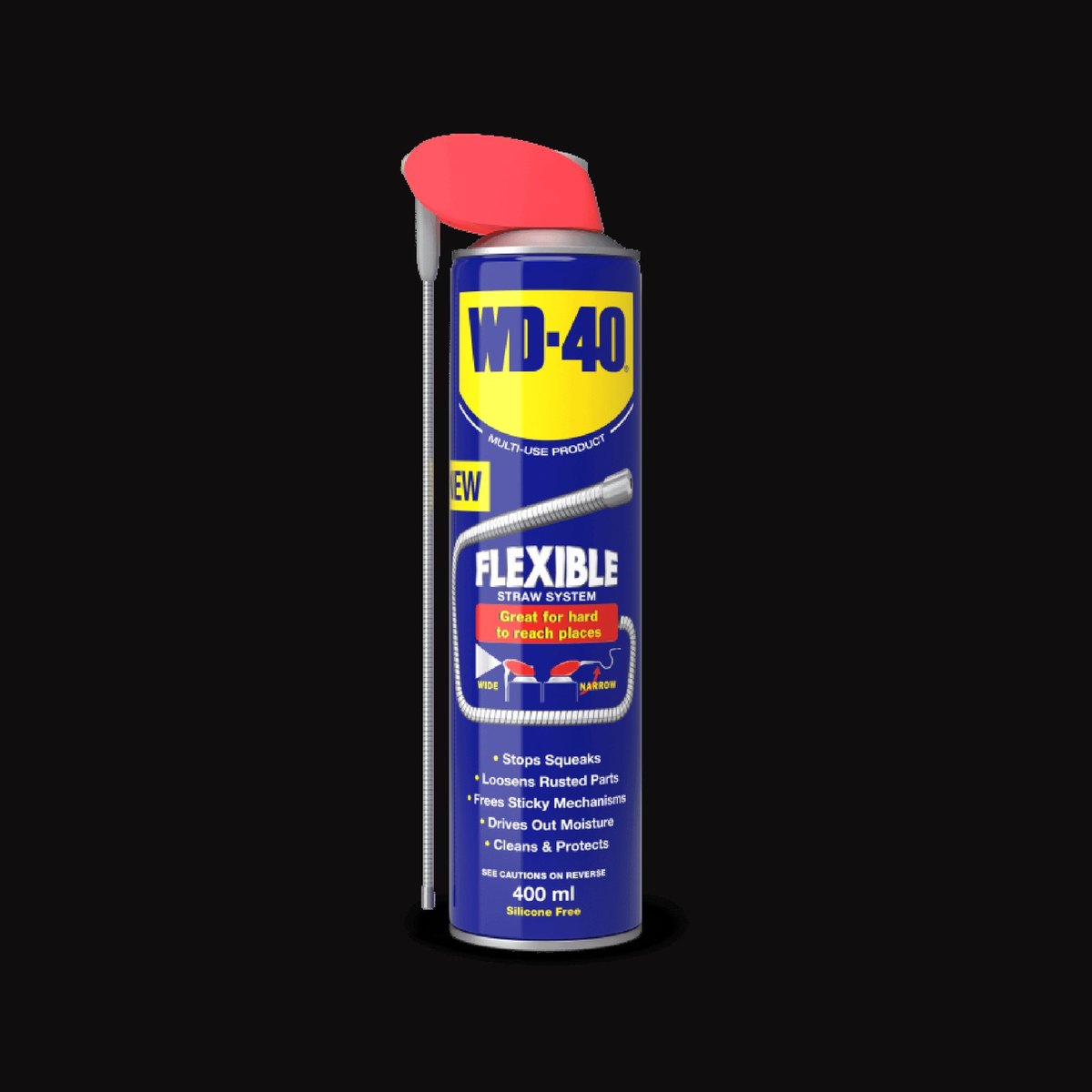
Spray a little lubricant on a small area where any mark will not show, wait 5-10 minutes and scrub lightly. This matters most on painted, chrome-plated or decorative surfaces.
If the finish is affected, choose a different cleaning method suited to that material.
Step 3
Apply lubricant to the rust
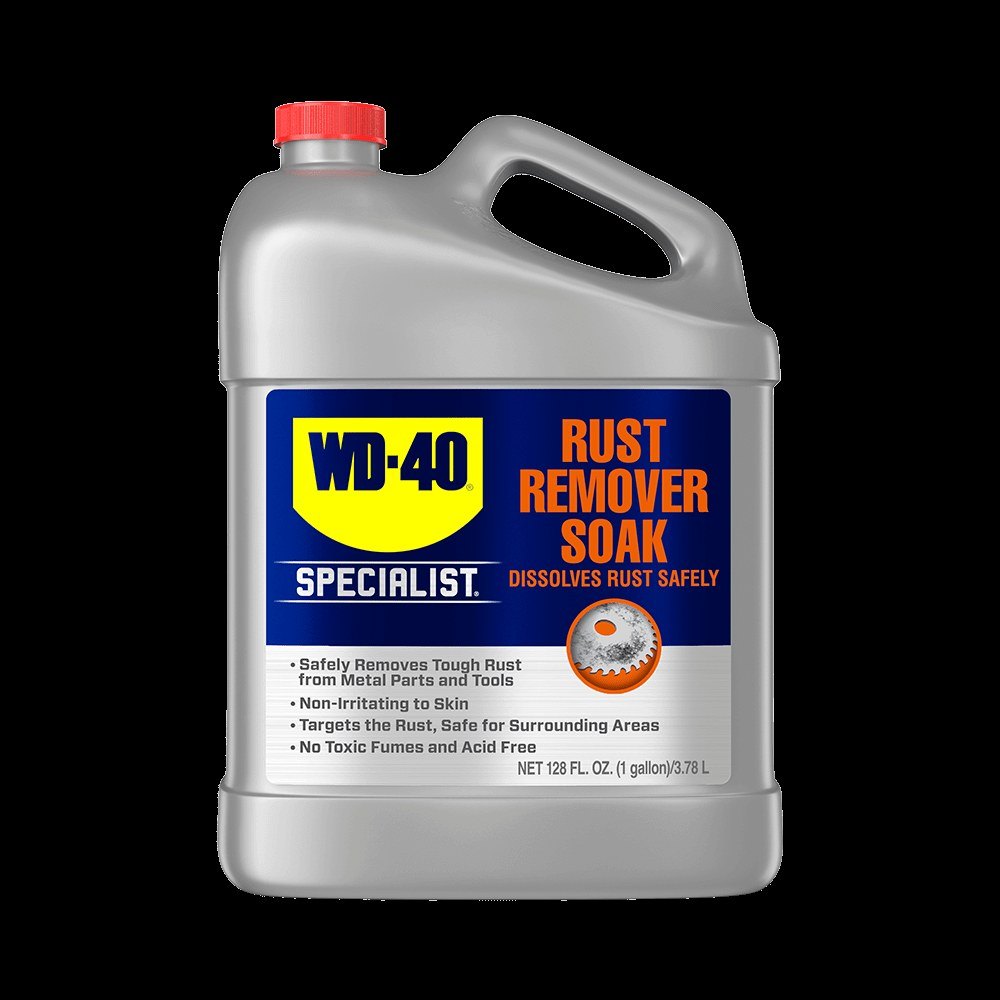
Shake the can well and generously spray WD-40 Multi-Use onto the rusty metal using the wide spray. Leave it for 5-10 minutes to soak into the rust.
For old, thick corrosion and seized threads or joints, WD-40 Specialist Penetrant works better: give it a little longer.
Step 4
Scrub away the rust
Start with the roughest, most heavily rusted area and gradually move on to the lightly rusted parts. Work evenly and without excessive pressure so as not to damage the metal.
If some rust remains, apply again and repeat.
Step 5
Wipe down and leave a protective film
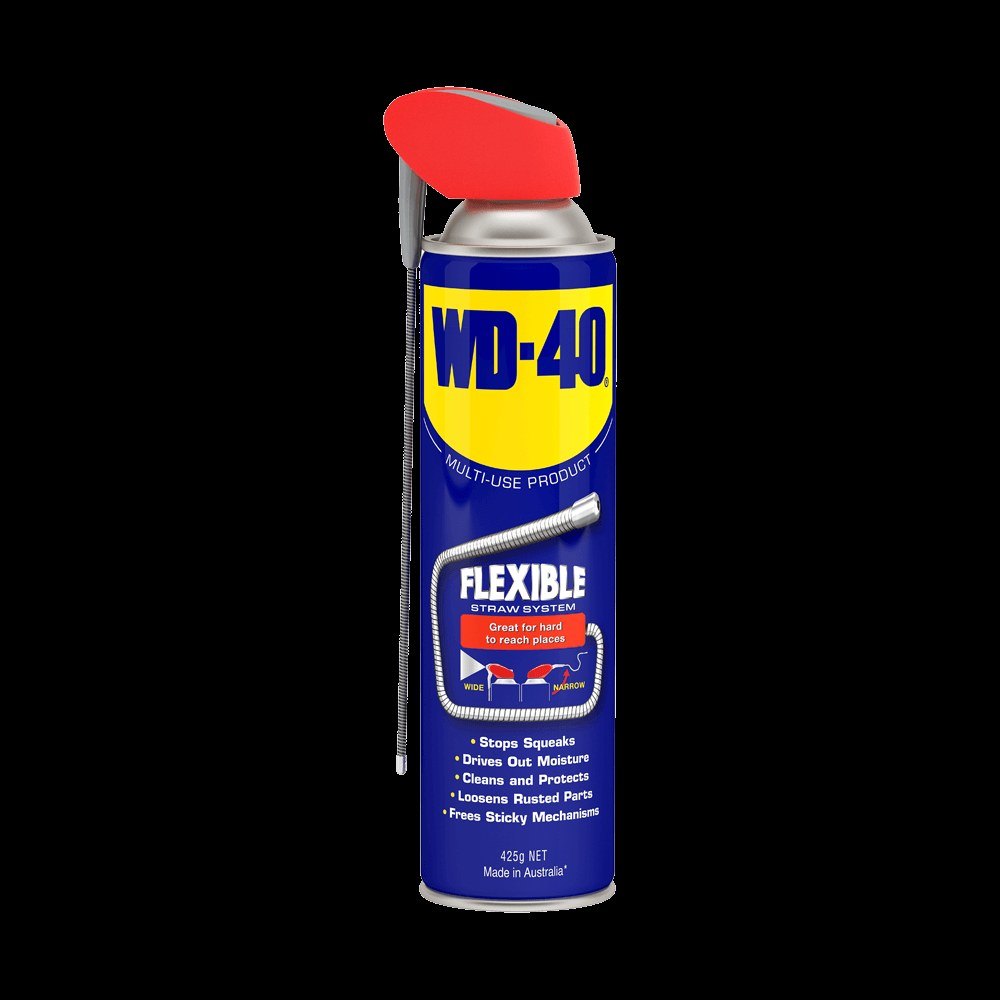
Wipe away excess lubricant and loosened rust with a cloth. Make sure no loose rust is left: the thin layer of WD-40 Multi-Use remaining on the metal then displaces moisture and holds back new corrosion.
Degrease any item you plan to paint before painting.
Tip: Store tools somewhere dry after cleaning and wipe them every few months with a cloth dampened with lubricant. For a workshop or a property with lots of tools,
WD-40 5 l with sprayer is the more economical choice.
What next
Renew the protective film regularly, especially before winter and after working in the rain or on wet ground. Metal gates and garden furniture are easiest to treat once in autumn and again in spring. Hinges and locks that have started squeaking can be lubricated with the same WD-40 Multi-Use.
These uses come from the experience of WD-40 users in many countries. Always follow the instructions and warnings on the product label.
More guides in «How to use».