Dishes that come out dirty, a machine that stops in the middle of a programme or one that will not respond at all are typical signs of a dishwasher fault. Most of these problems can be found and fixed without calling an engineer, as long as you work methodically from the simplest checks to the more involved ones.
In areas with hard tap water, many breakdowns start with limescale and a clogged filter. So check cleanliness first, and only then move on to the electrics and pumps.
What you will need
Important: Before any disassembly, unplug the machine and shut off the water supply. If you have no experience with electrics, leave live testing of the mains filter and power board to a professional.
Step 1
Poor cleaning: filter and spray arms
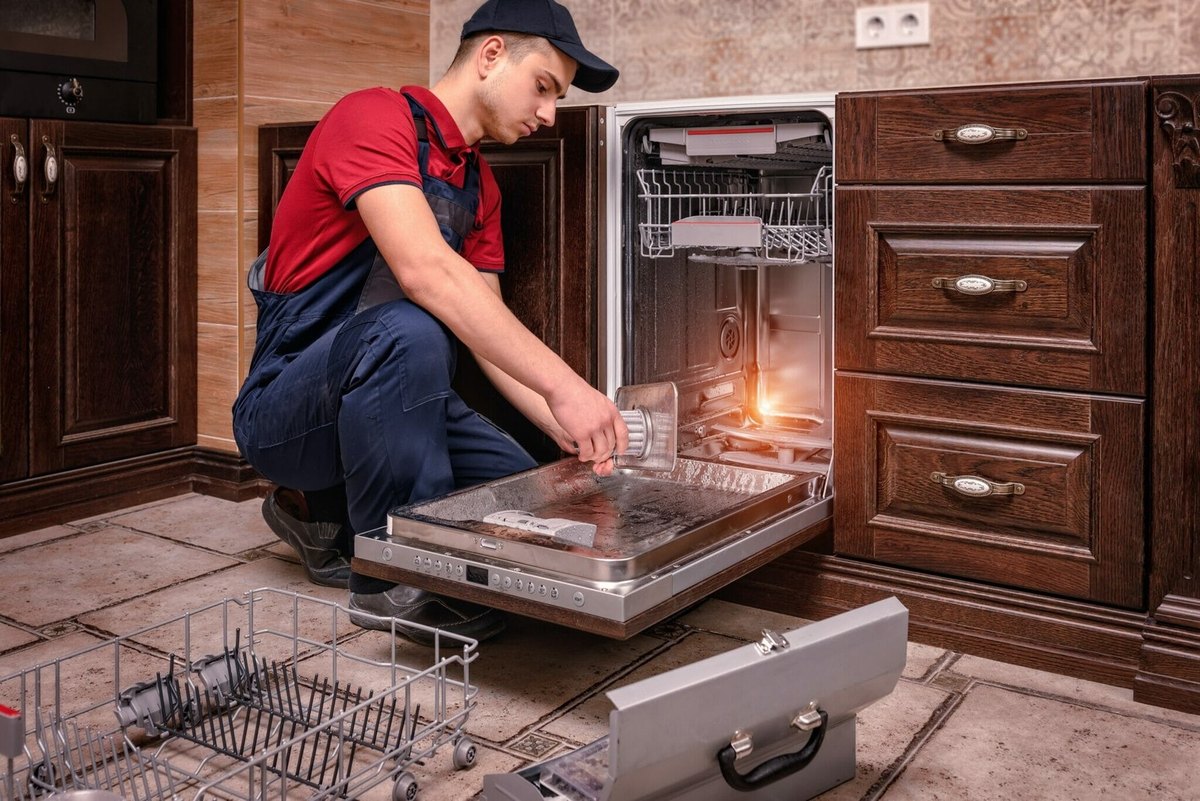
Unscrew the filter at the bottom of the tub and rinse it under the tap. If the mesh has a white coating, soak the filter in vinegar for an hour to dissolve the limescale. A dirty filter restricts water flow and circulation drops during the wash.
Remove the spray arms. Fill each one with water and check that it flows freely from every nozzle. Clear blocked holes with a toothpick. Check the salt and rinse aid levels too: without them the water stays hard and glasses come out streaky.
Step 2
Water not heating: test the element
If the dishes are cold at the end of a cycle, the heating element is probably faulty. Disconnect the inlet and drain hoses, lay the machine on its side on a towel and remove the base plate. Carefully disconnect the anti-flood float.
Measure the resistance across the element terminals with a multimeter. A working element gives a reading in ohms. If the display shows 1, ∞ or OL, the circuit is open and the element must be replaced.
Step 3
Machine will not switch on: electrics
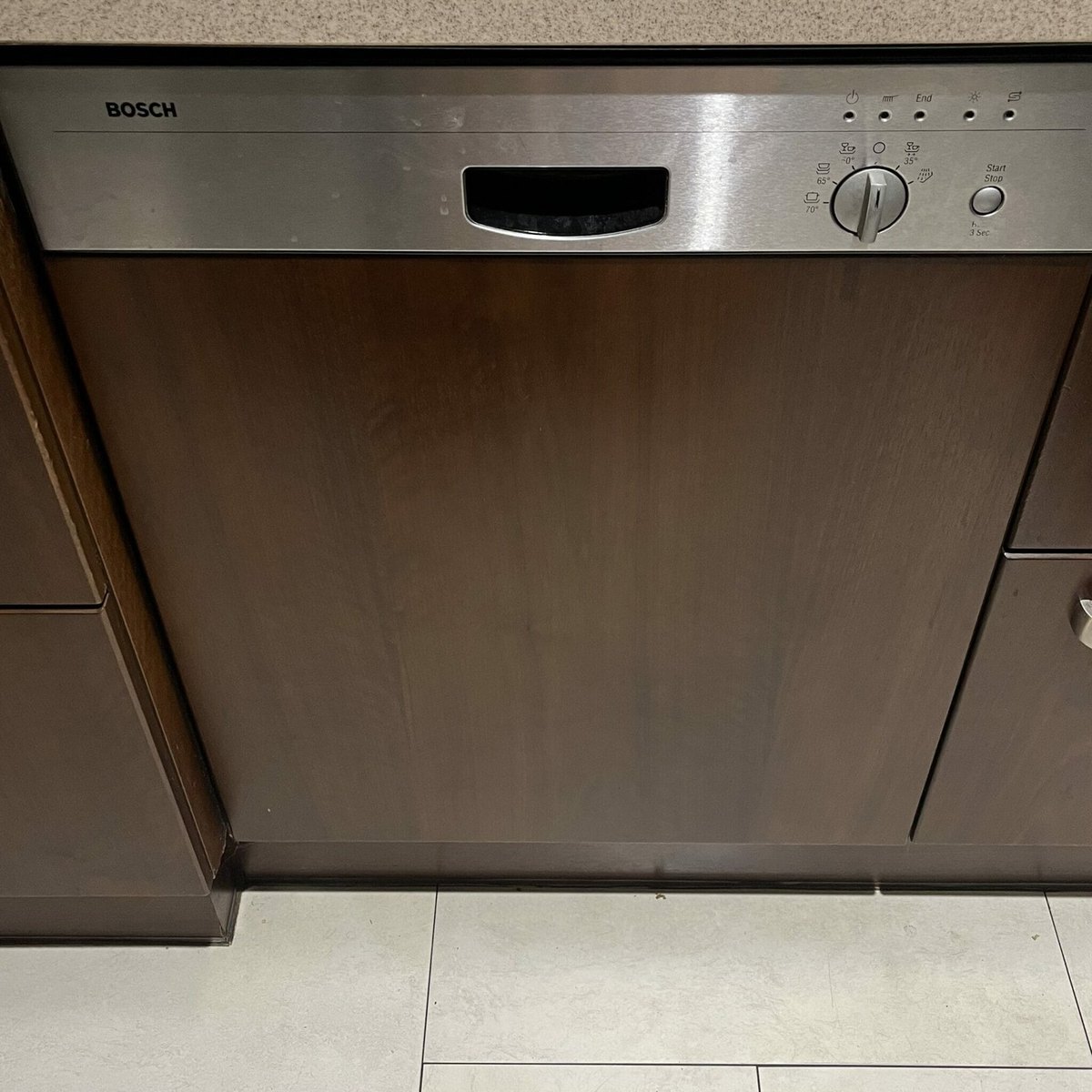
First test the socket by plugging in another appliance. If the socket works, isolate the machine, remove the front panel and check the mains filter, power board and control board in turn. Replace any faulty unit.
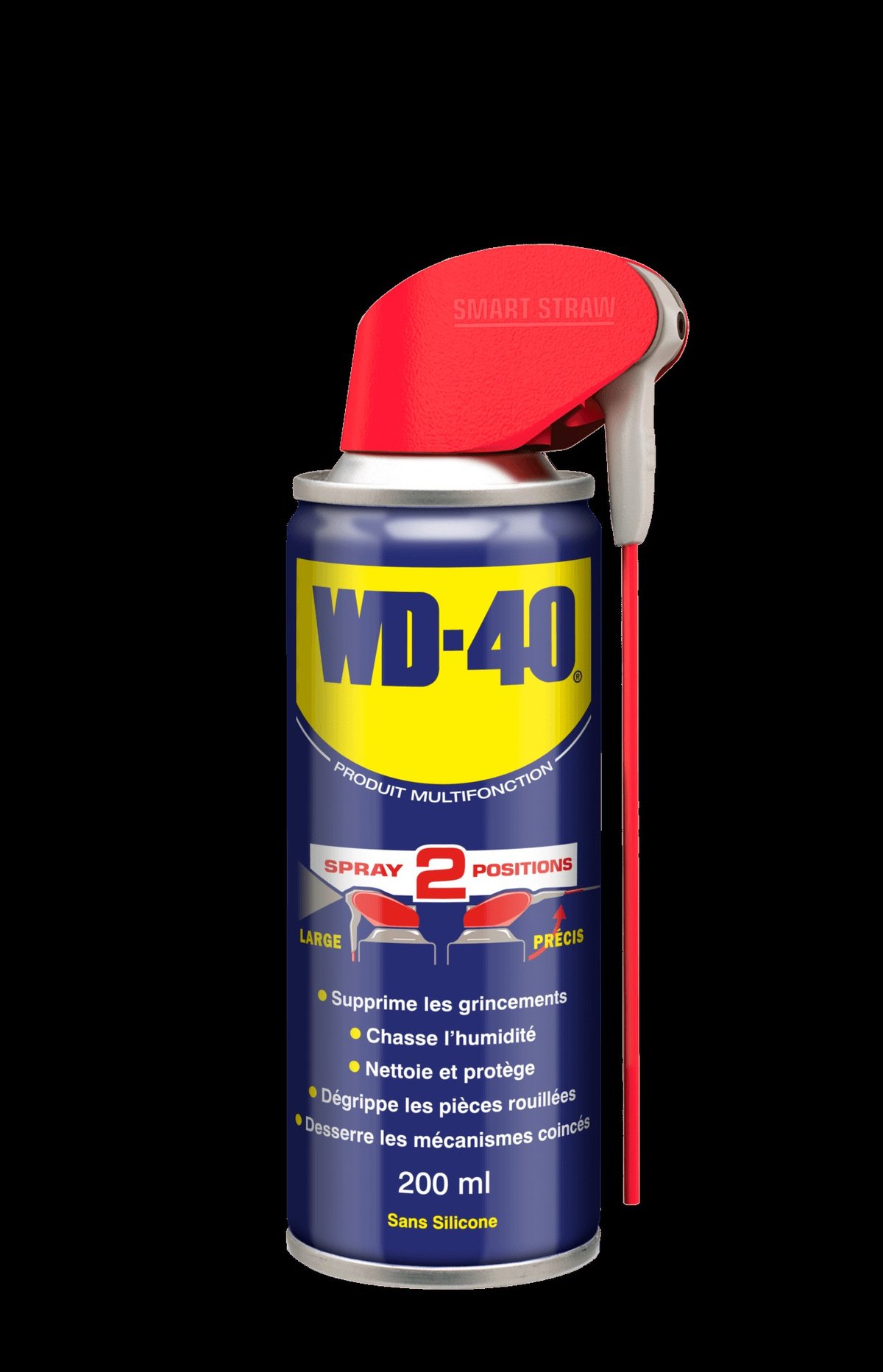
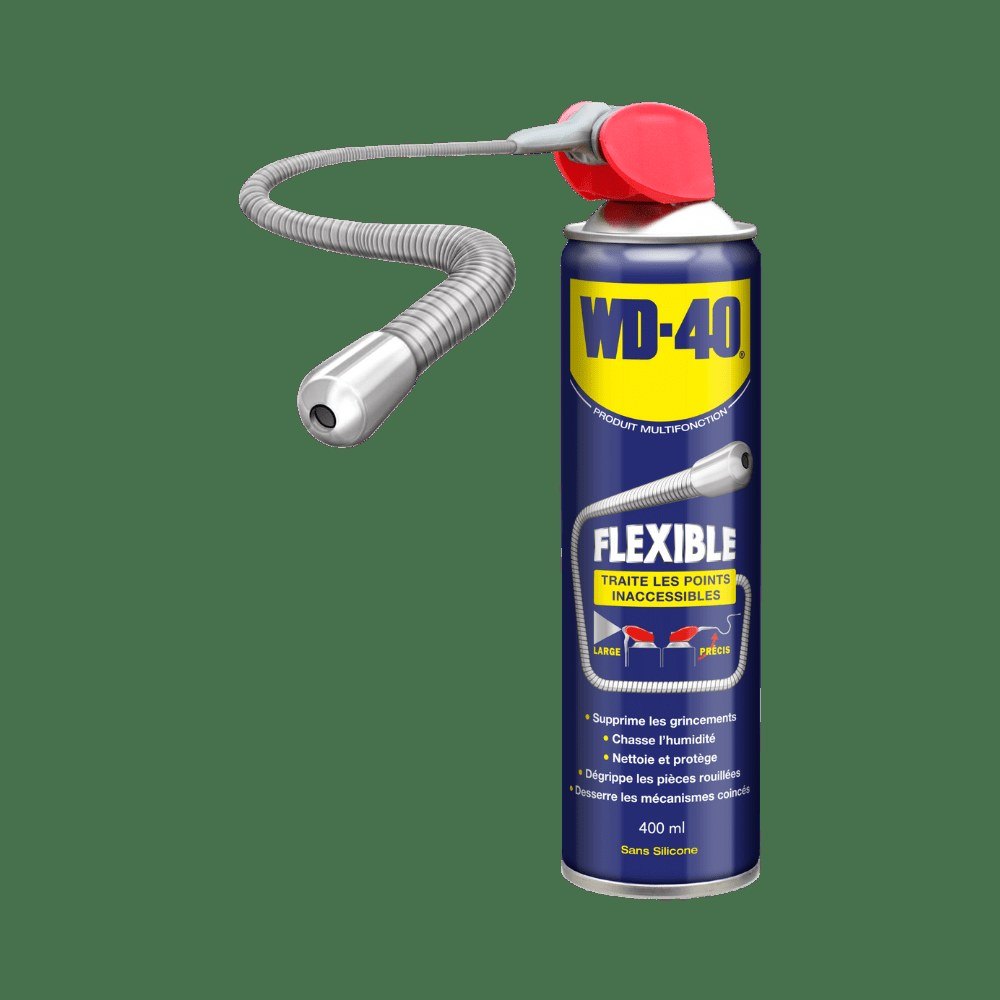
Inspect the wiring connectors. In a humid kitchen contacts oxidise and cause intermittent faults. Treat them with WD-40 Specialist Contact Cleaner, which removes dirt and moisture and evaporates quickly. Reconnect power only once everything is completely dry.
Step 4
Water not draining: blocked pumps
If the filter and spray arms are clean but water stays in the bottom, lay the isolated machine on its side and remove the base plate. Loosen the clips, pull off the hoses and check the circulation pump: its impeller is often jammed by a shard of glass, a fruit stone or a label.
Turn the impeller by hand; it should spin freely. Check the drain pump the same way and flush the hoses.
Step 5
Stopping mid-cycle: door and hinges
Apart from blocked pumps, the machine stops whenever the sensor detects the door opening. Check the latch hook: if it has shifted, screw it back into the correct position. Make sure the door seal is seated in its groove all the way round.
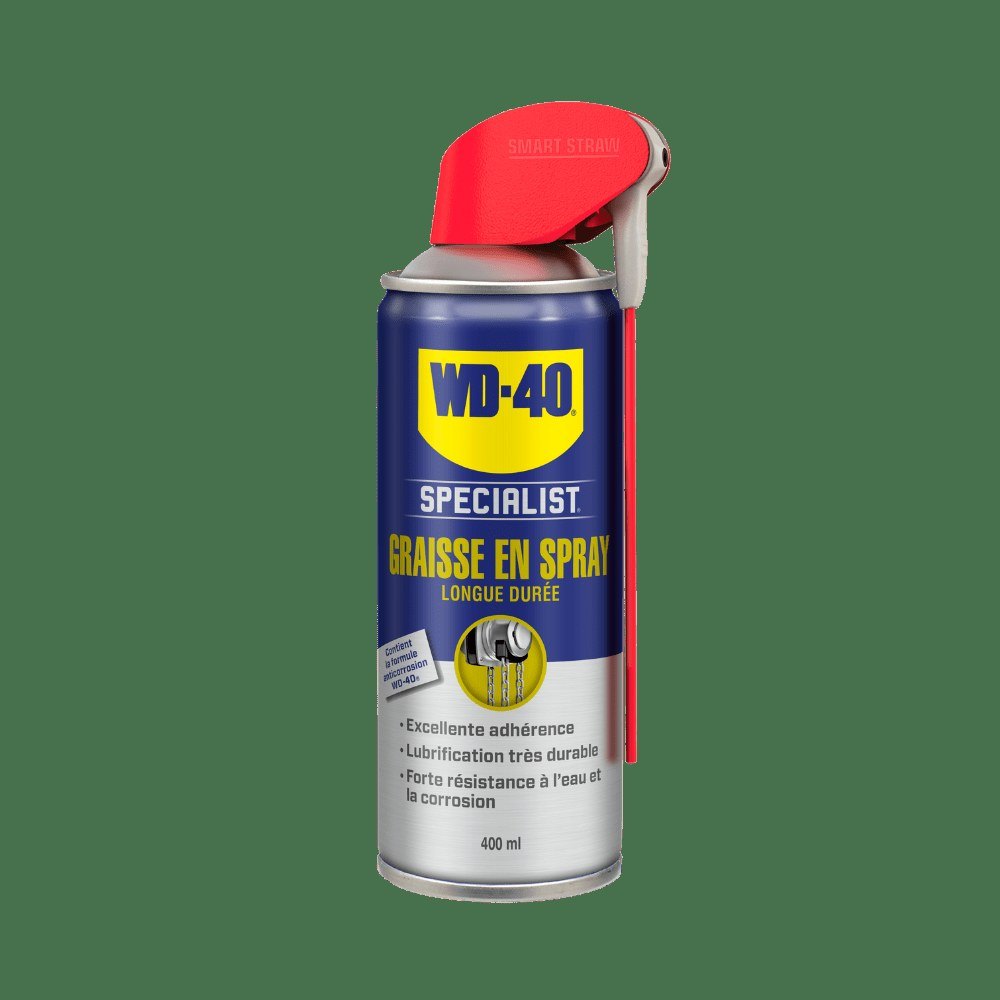
Inspect the hinges: worn or bent hinges prevent the door closing tightly. Apply WD-40 Specialist Silicone to the hinges and latch mechanism. It reduces friction, stops squeaks and is safe on rubber, so you can also lightly treat the seal to keep it from cracking. Wipe off any excess so it does not get into the tub.
Tip: Once a month, run the empty machine on a hot programme with a cup of vinegar on the top rack. It dissolves limescale and grease in the hoses and reduces the risk of blockages.
What next
Cleaning the filter every week or two, keeping the salt topped up and lubricating the hinges every six months will add years to your dishwasher's life. If the fault persists after all these checks, contact a service centre.
These uses come from the experience of WD-40 users in many countries. Always follow the instructions and warnings on the product label.
More guides in «How to use».