The rubber seals in a dishwasher and washing machine work every day in hot water, steam and detergents. Most people only think about them when water starts leaking from under the door or a smell appears. In reality, most leaks start with dry, dirty or cracked rubber.
Care takes just a few minutes: regular cleaning, a thin coat of silicone lubricant and a simple fit check. The seals stay supple for longer and your appliances keep running without surprise puddles on the floor.
What you will need
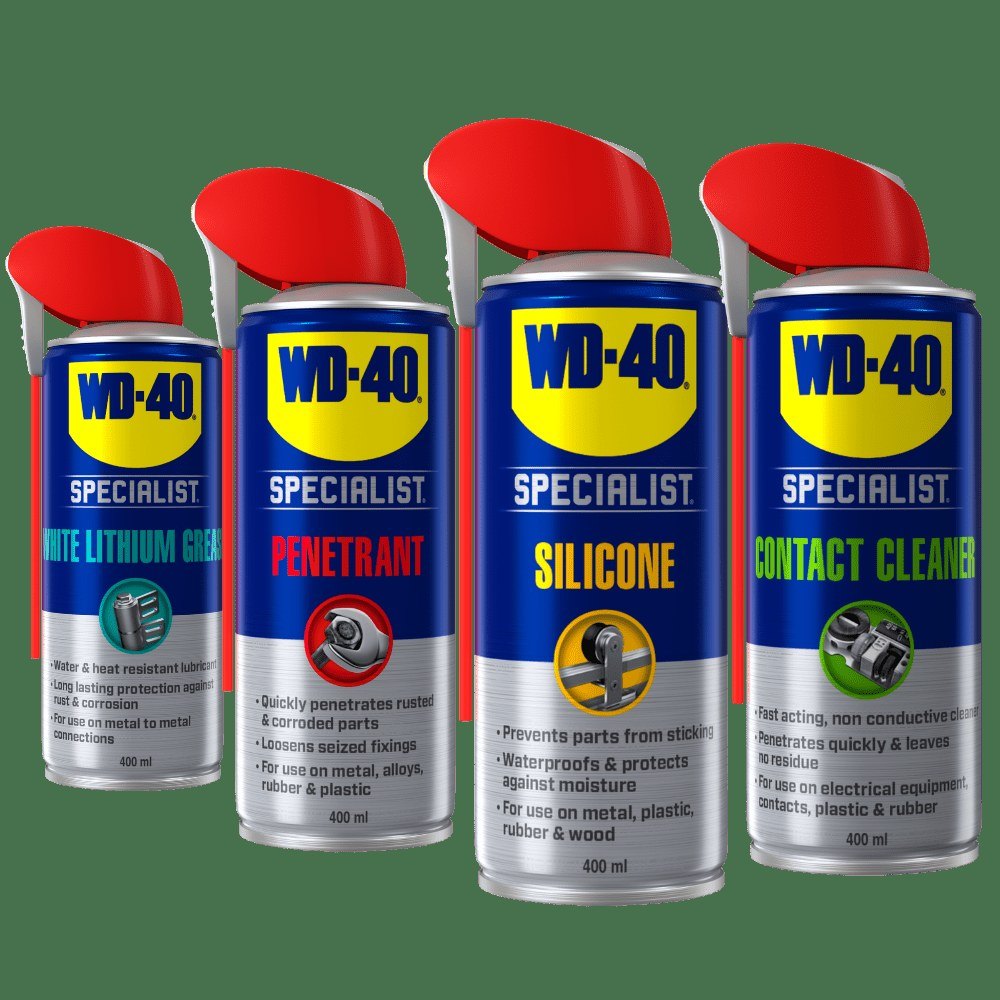
- WD-40 Specialist Silicone
- soft washing-up sponge
- warm water with a drop of washing-up liquid
- two microfibre cloths
- a sheet of paper for the fit check
Important: Unplug the appliance before you start. Apply silicone only to the outer surfaces of the rubber; do not spray into the drum, onto heating elements, electronics or dish racks. Test the lubricant on a hidden section of the seal first.
Step 1
Clean the seals thoroughly
Detergent residue, grease, lint and limescale build up on the rubber. Dip the sponge into warm soapy water and work through every fold of the seal. On a dishwasher, do not forget the lower strip under the door; on a washing machine, check the fold of the door gasket by the drum where small items and hair collect.
After washing, wipe the rubber dry with a microfibre cloth. Moisture left in the folds of a warm flat soon leads to mould and bad smells.
Step 2
Lubricate the dishwasher seal
A dishwasher seal sits in hot steam all the time, so it dries out fastest. Shake the can of WD-40 Specialist Silicone and apply a thin coat to the clean, dry seal around the door. The valve works with the can held at any angle, so the bottom section is easy to reach.
Spread the lubricant with a microfibre cloth and wipe off any excess. Silicone conditions the rubber, displaces moisture and helps it stay flexible for longer.
Step 3
Treat the washing machine gasket
There is no need to coat the entire washing machine gasket. Put a small amount of lubricant on a cloth or spray a light mist onto the outer surface of the rubber that meets the door, then spread it evenly.
Always wipe off the excess so nothing transfers to your laundry. A very thin film is enough.
Step 4
Check the door seal fit
If you suspect a leak, close a plain sheet of paper in the dishwasher door and pull it. If the paper holds firmly, the seal fits well. If it slides out easily, inspect that section: the rubber may be deformed, torn or dirty.
Steam escaping from under the door damages worktops and kitchen cabinet fronts, so do not put this off.
Step 5
Look after the seals after every cycle
After unloading dishes or laundry, wipe the seals with a dry cloth and leave the door ajar for an hour so everything dries out. The habit takes a minute but noticeably extends the life of the rubber.
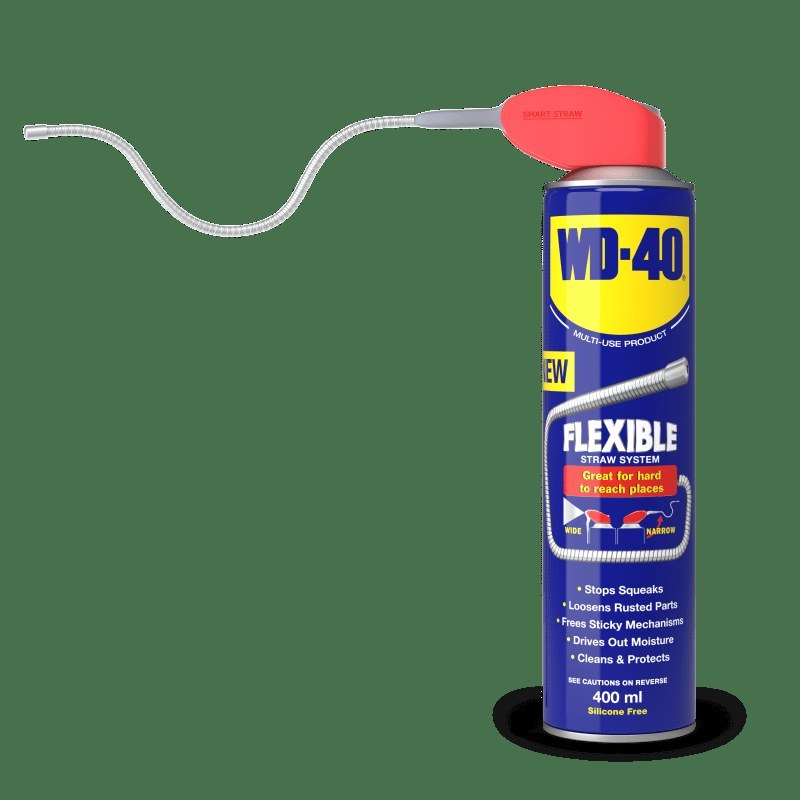
Tip: If the dishwasher door creaks or the hinges feel stiff, treat the metal hinges with
WD-40 Multi-Use and wipe off the excess. Use only silicone lubricant on rubber seals.
What next
Clean the seals after every cycle and apply silicone roughly once a month, or more often if your water is hard. The same WD-40 Specialist Silicone is handy for rubber seals on car doors, windows and the fridge.
These uses come from the experience of WD-40 users in many countries. Always follow the instructions and warnings on the product label.
More guides in «How to use».