The cylinder is the hardest-working part of a door lock: it gets turned several times a day. Over time the pins wear, dust and moisture get in, and the key turns stiffly or even sticks. It is also wise to change the cylinder after losing keys, moving into a new home or finishing building work when tradespeople had keys.
All you need is a tape measure, a screwdriver and a new cylinder of the right size. But first check whether a simple clean and lubrication will do the trick.
What you will need
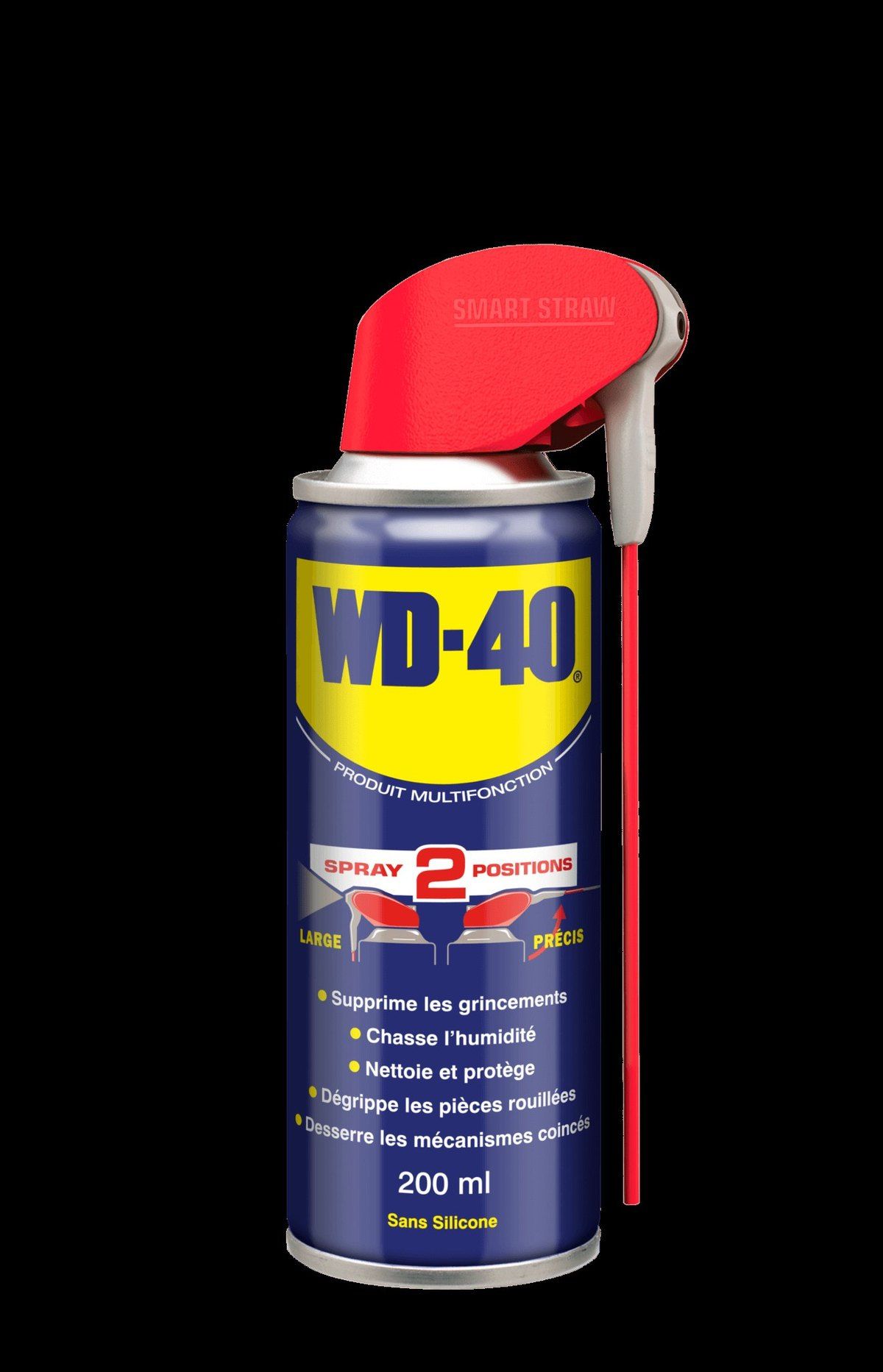
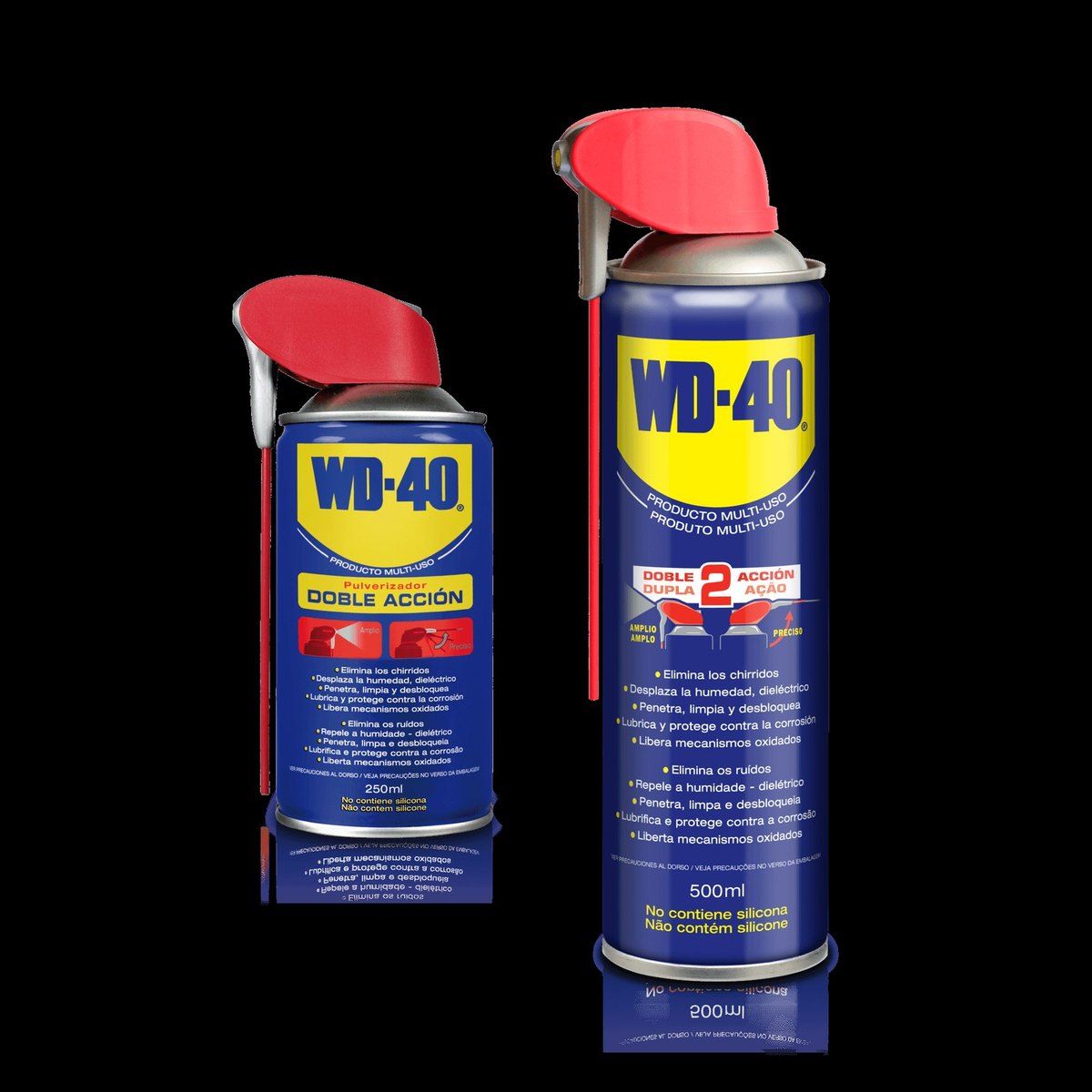
- WD-40 Smart Straw with its straw for the keyhole
- WD-40 Multi-Use
- new cylinder of the same size
- tape measure or calipers
- flat or Phillips screwdriver (to suit the retaining screw)
- microfibre cloth
Important: Do all the work with the door open so you cannot lock yourself out. For a front door, choose an anti-break cylinder of a length that protrudes no more than 2-3 mm beyond the escutcheon.
Step 1
Check whether lubrication will fix it
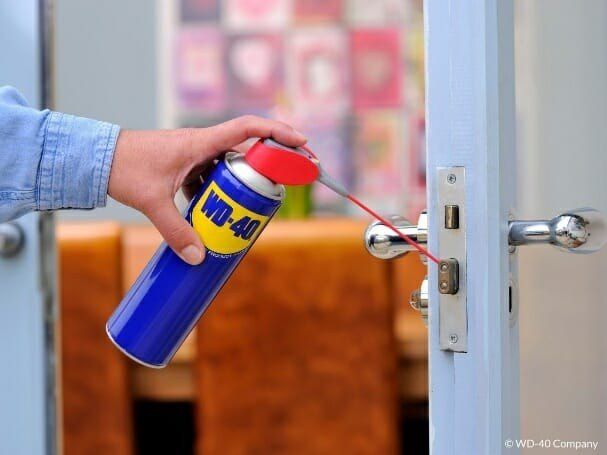
A stiff lock is often caused by dirt and moisture rather than wear. Put the WD-40 Smart Straw straw into the keyhole and give it a short burst. Treat the handle spindle, the latch and the deadbolt the same way.
Wait a minute, wipe off the excess, then turn the key and work the handle several times. If the mechanism now runs freely, no replacement is needed. If the key still sticks or jams, go ahead and replace the cylinder.
Step 2
Remove the old cylinder
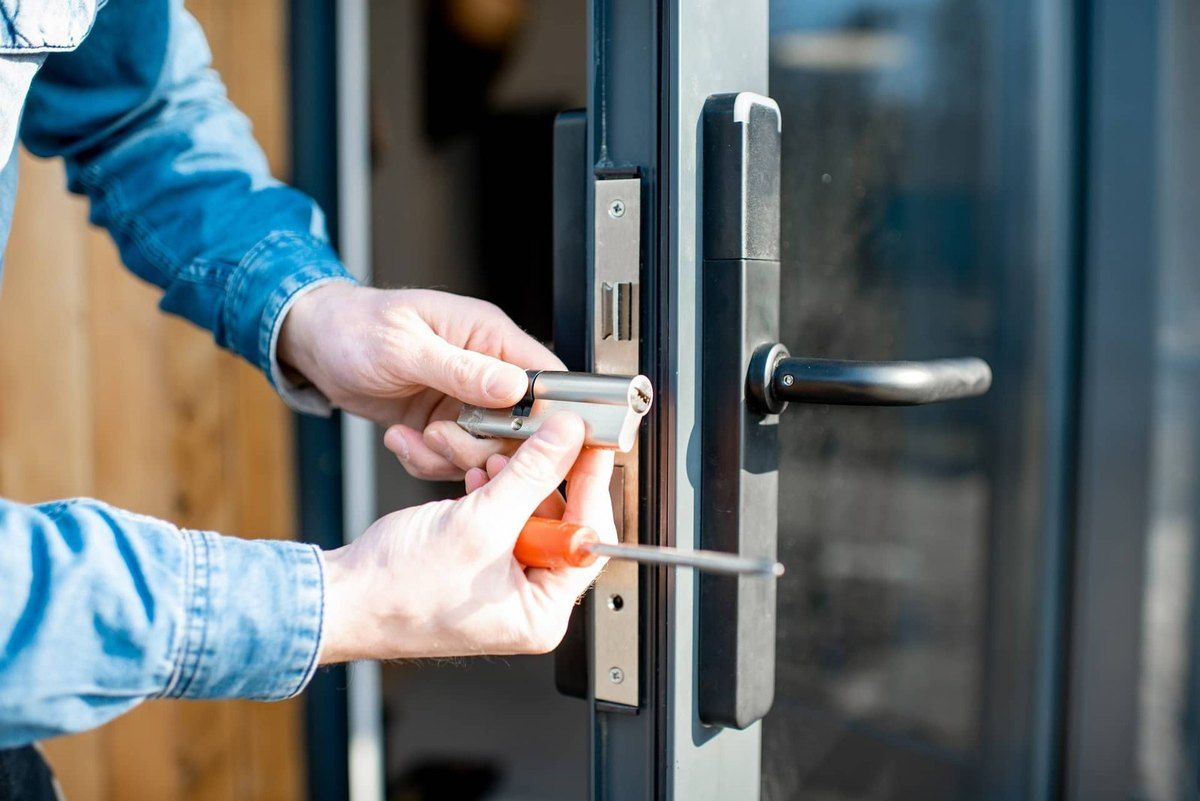
Open the door and insert the key. On the edge of the door, on the lock faceplate just below the deadbolt, find the long retaining screw and take it right out.
Turn the key about 10-15 degrees either way until the cam retracts into the cylinder body and lines up with it. Then pull the cylinder out by the key. If it will not come, wiggle the key back and forth slightly without forcing it.
Step 3
Measure and buy a replacement
Measure the overall length of the cylinder and, separately, the distance from the centre of the retaining screw hole to each end. For example, 30/40 means 30 mm on one side and 40 mm on the other. The longer side usually faces indoors.
Take these measurements to a hardware shop or key-cutting service and buy a new cylinder. Make sure the cam type and screw hole position match the old one.
Step 4
Fit the new cylinder
Insert the key into the new cylinder and turn it slightly so the cam lines up with the body. Slide the cylinder into the lock and push it in until the screw hole is aligned with the hole in the door edge.
Fit the retaining screw without overtightening. Turn the key: the cam should rotate freely. Test it from both sides with the door still open, and only then close the door.
Step 5
Maintain the lock regularly
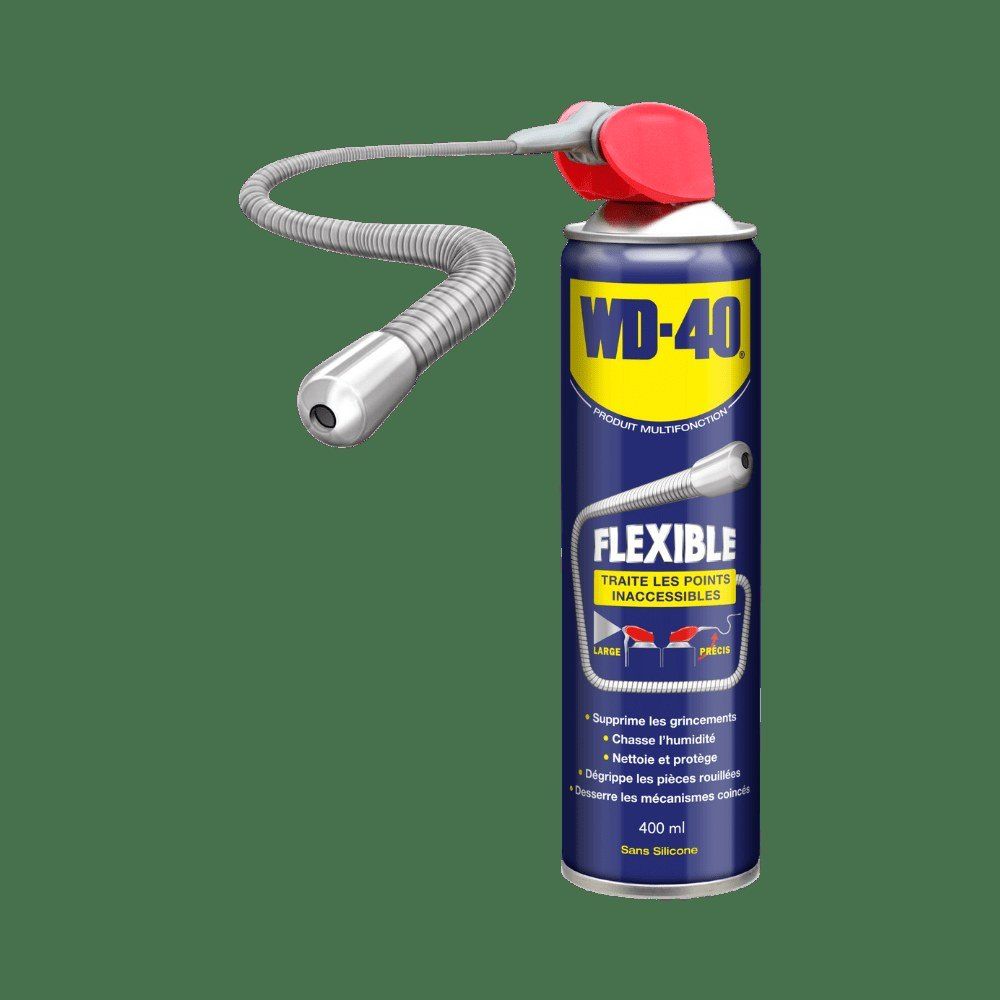
To keep the new cylinder working for years, once a year spray WD-40 Multi-Use into it through the straw, turn the key several times and wipe the key with a dry cloth. Treat the latch and deadbolt as in step one.
This removes dirt that builds up inside, displaces moisture and lubricates the mechanism so the key turns smoothly.
Tip: Front doors of houses and outdoor gates benefit from treatment twice a year, in autumn and spring. In autumn the priority is to drive moisture out of the cylinder so it does not freeze in the first frosts.
What next
Keep WD-40 Smart Straw with your tools: the same straw helps with interior door locks, garage and mailbox locks and squeaky hinges.
These uses come from the experience of WD-40 users in many countries. Always follow the instructions and warnings on the product label.
More guides in «How to use».