A classic car is judged by the condition of its paint and chrome, and old paint and rubber need a gentler approach than a modern car. Harsh chemicals or a car wash brush can ruin in one go what has survived for decades.
Below is a step-by-step routine that brings back the shine and protects the body: a gentle wash, removing tar and insects, chrome care, wax and treating the rubber seals.
What you will need
Important: Test every product on a hidden area first, especially on original single-stage paint. Keep lubricants off the windscreen, wiper blades, tyres and brake discs. Work in the shade on a cool body.
Step 1
Wash the car thoroughly
Use the two-bucket method: one with shampoo solution, the other with clean water for rinsing the sponge. That way grit does not go back onto the paint and leave fine scratches.
Wash from top to bottom with a soft sponge, no brushes and no car wash with stiff rollers.
Step 2
Rinse and dry
Rinse off all the shampoo, especially from the gaps around chrome and seals. Dry the body with a clean microfibre cloth, patting rather than rubbing the water around.
Water left on chrome and in gaps eventually causes spots and rust, so dry carefully.
Step 3
Remove tar, sap and insects
Tar spots on sills and wings, tree sap and dried insects do not come off with shampoo. Apply WD-40 Multi-Use to the spot, wait a minute and gently wipe it away with soft microfibre without pressing.
Then wipe the area with shampoo solution to remove the film before waxing.
Step 4
Freshen up the chrome
Bumpers, trim strips, handles and hubcaps plated the old way quickly develop spots and pinpoint rust. Spray WD-40 Multi-Use onto a microfibre cloth and rub the chrome: it lifts the tarnish and leaves a thin protective film.
Use the straw of WD-40 Smart Straw to get into the gaps between chrome and body to drive out moisture, then wipe off the excess.
Step 5
Apply wax and buff
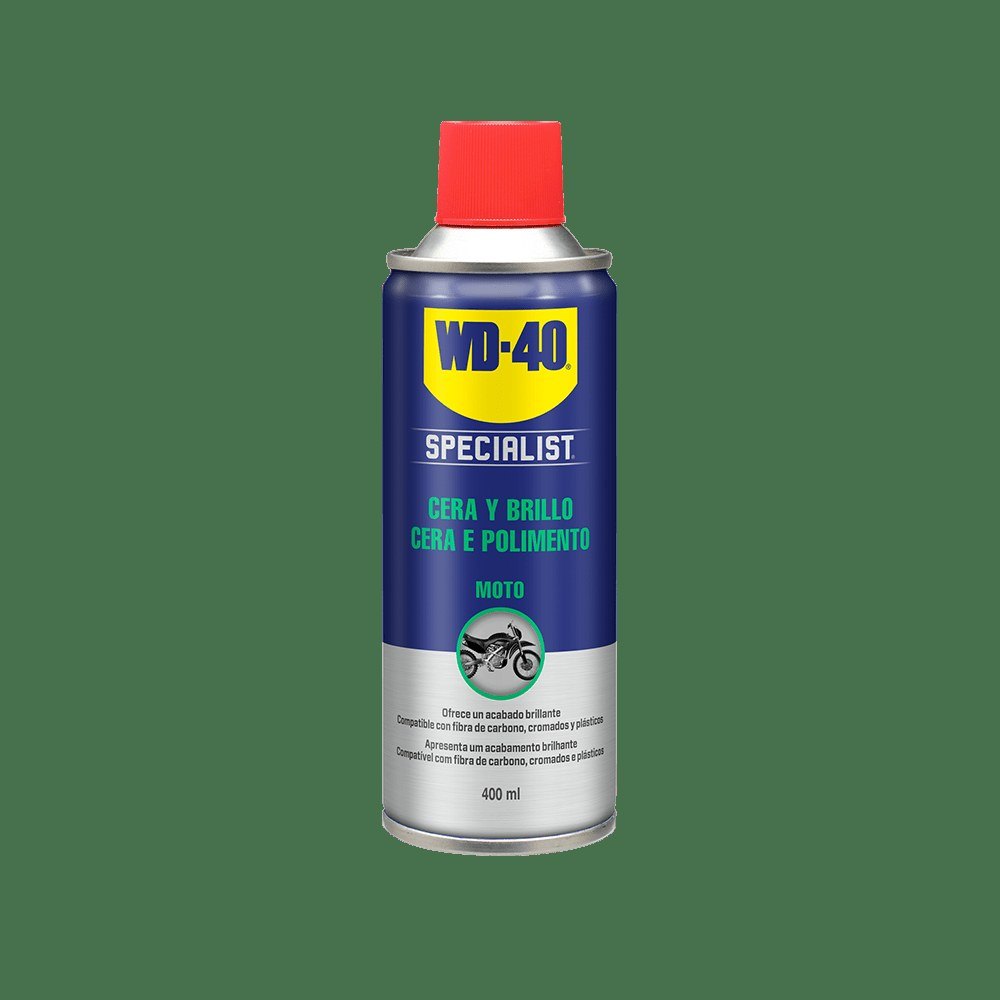
Apply the wax or polish in an even thin coat to a small section at a time, as directed on the pack, and let it dry to a light haze.
Buff with a clean dry microfibre cloth to a deep shine. Wax repels water and dirt and protects the paint from UV.
Step 6
Treat the rubber and seals
Old rubber seals around the doors, boot and windows dry out and crack. Spray WD-40 Specialist Silicone onto a cloth and wipe them: the rubber stays supple and will not freeze shut in winter.
Keep silicone off the glass and any area you plan to paint.
Tip: For winter storage in a garage, treat the chrome and lower body with
WD-40 Multi-Use and cover the car with a breathable cover: no moisture is trapped underneath, and a light wash is enough in spring.
What next
Renew the wax every two to three months and polish the chrome after every wash. For the locks, hinges and cables of a classic car, keep WD-40 Smart Straw within reach.
These uses come from the experience of WD-40 users in many countries. Always follow the instructions and warnings on the product label.
More guides in «How to use».