Car doors are opened dozens of times a day, and their hinges, check straps and locks work outdoors: dust, rain, snow, road spray and winter salt gradually wash out the factory lubricant. The first sign is a squeak when opening, then the doors need more effort and the mechanism may start to stick.
Servicing all the doors and the boot takes about half an hour. The best times are autumn before the frosts and spring after winter, when you wash off the road salt.
What you will need
Important: Keep lubricants off brake discs, tyres and glass. Test products on a hidden area of painted and plastic parts. Work with the door open on level ground and keep your fingers clear of the hinges.
Step 1
Clean the hinges and door shuts
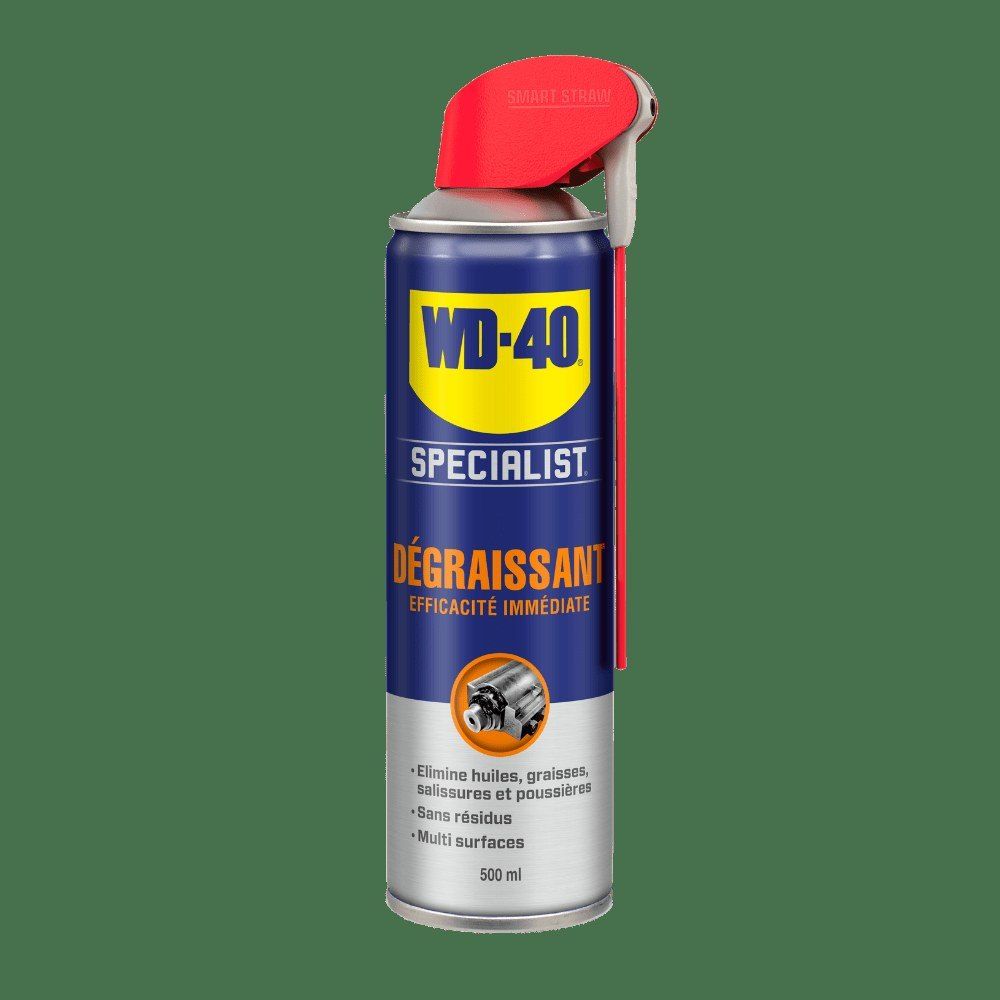
Open the door fully and wash the hinges, check strap and door shut with a sponge and soapy water. If the hinges are coated in black, gritty old grease, apply WD-40 Multi-Use, leave it for a minute and wipe off: it dissolves old grime and displaces moisture. Let everything dry.

Step 2
Lubricate the hinges
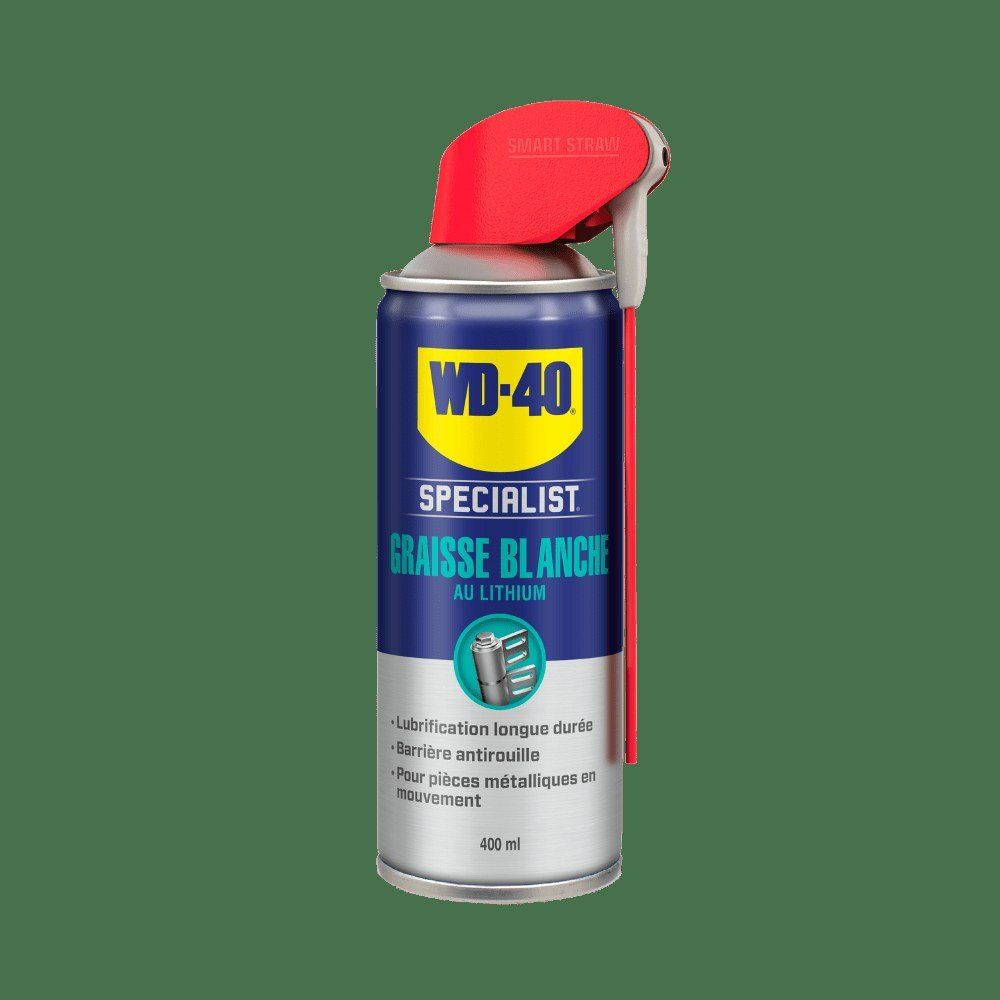
Shake the can of WD-40 Specialist White Lithium Grease, raise the straw and spray directly into the pivot of the upper and lower hinges. Open and close the door several times to spread the grease inside. White lithium grease lasts, resists rain and handles load. Repeat on every door, even those that do not squeak yet, as well as the boot and bonnet hinges.
Step 3
Treat the check strap and latch
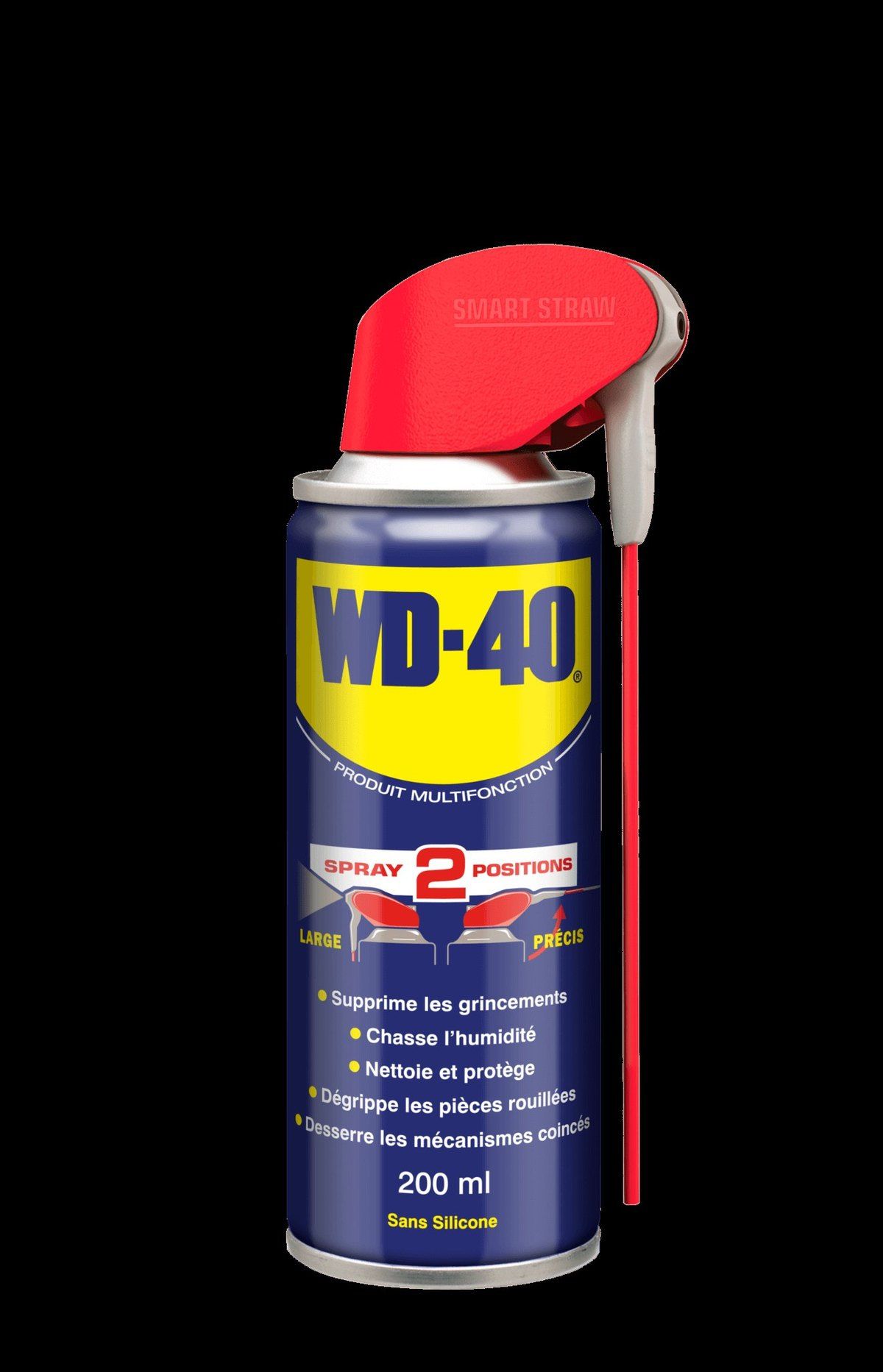
Apply WD-40 Specialist White Lithium Grease to the door check strap and the latch on the door edge. The striker on the body pillar needs a thin coat too. Wipe off the excess so it does not mark clothing. Spray a little WD-40 Smart Straw into the key cylinder through the thin straw, insert the key and turn it a few times.
Step 4
Care for door and window seals
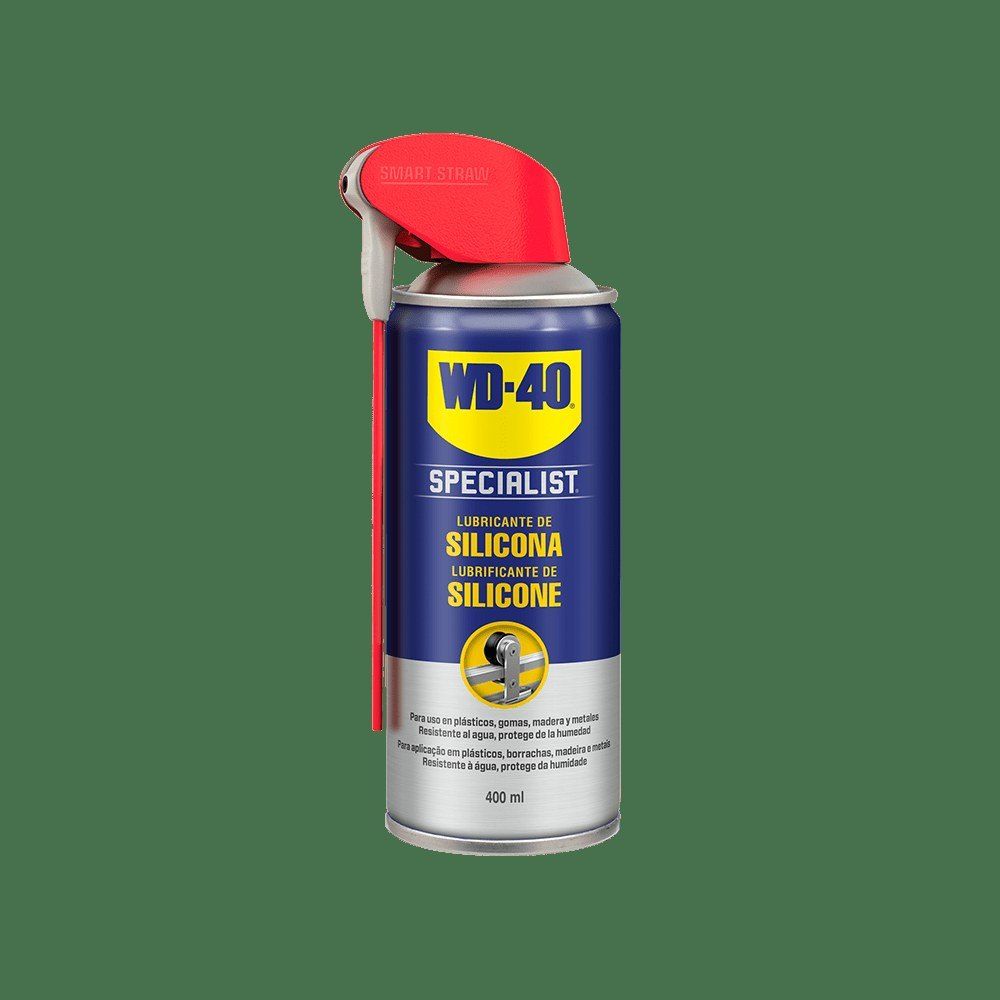
Wipe the rubber seals with a damp cloth to remove dust and grit and let them dry. Apply WD-40 Specialist Silicone all the way round, through the straw or onto a cloth for precision. Silicone protects rubber from drying and cracking, repels water and stops the doors freezing shut in winter. Do not leave silicone on the glass; if any gets there, wipe it off with glass cleaner.
Step 5
Inspect and tidy up
Check the doors overall: do they close tightly, are there tears in the seals, is there rust along the bottom edges or around the drain holes? Clear the drain holes at the bottom of the doors so water cannot sit inside. Treat metal parts at risk of corrosion with a thin film of the same multi-use product as in the first step. Wipe shoe marks off the sills and vacuum the door pockets.
Tip: Keep
WD-40 Smart Straw in the glovebox: if a lock or door freezes in winter, a precise spray helps you open it without force and without tearing the seal.
What next
Lubricate hinges and locks twice a year and treat the seals before every winter. After pressure washing or driving on salted roads, repeat the treatment sooner.
These uses come from the experience of WD-40 users in many countries. Always follow the instructions and warnings on the product label.
More guides in «How to use».