We use sockets every day yet tend to forget them when cleaning. Meanwhile dust and kitchen grease collect in the gaps and holes, and in kitchens and bathrooms a deposit forms on the contacts from moisture and temperature swings.
Never wash a live socket with water. But you can clean it safely without an electrician, provided you isolate the circuit and use the right products.
What you will need
Important: Before any cleaning, switch off the breaker at the consumer unit and confirm with a tester that the socket is dead. Only wash the cover plate once removed, and refit it only when completely dry.
Step 1
Remove dust from the cover
Because of its shape, a socket cover constantly collects dust, including in the holes. Dry dust comes off easily with a clean microfibre cloth.
If it is dirtier, take the cover off: it is held by a single central screw. Once removed, it can safely be washed under running water.
Step 2
Clean the contacts inside
In kitchens and bathrooms, humidity and temperature changes leave a deposit on the contacts. This worsens the connection, makes plugs run warm and can eventually cause the socket to fail.
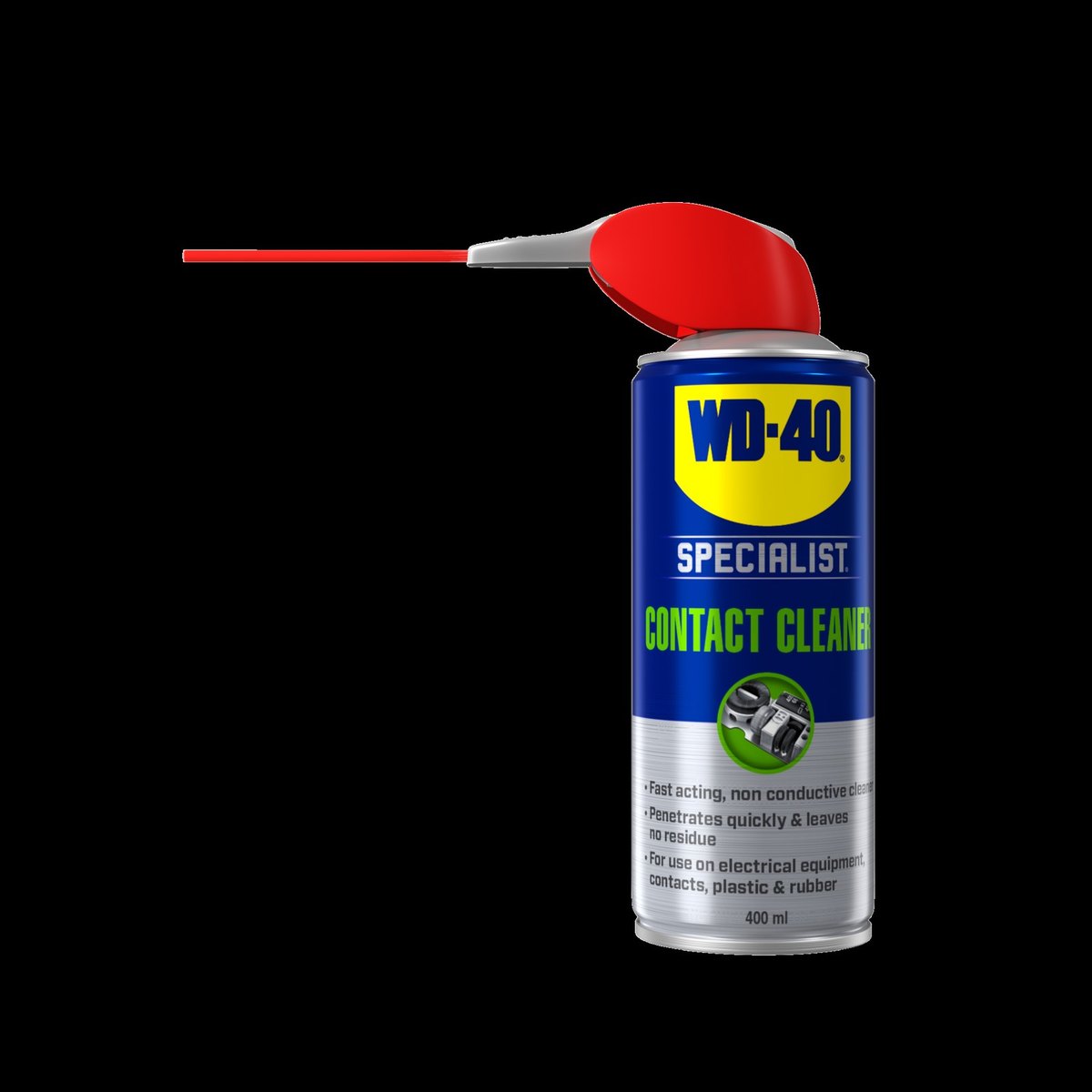
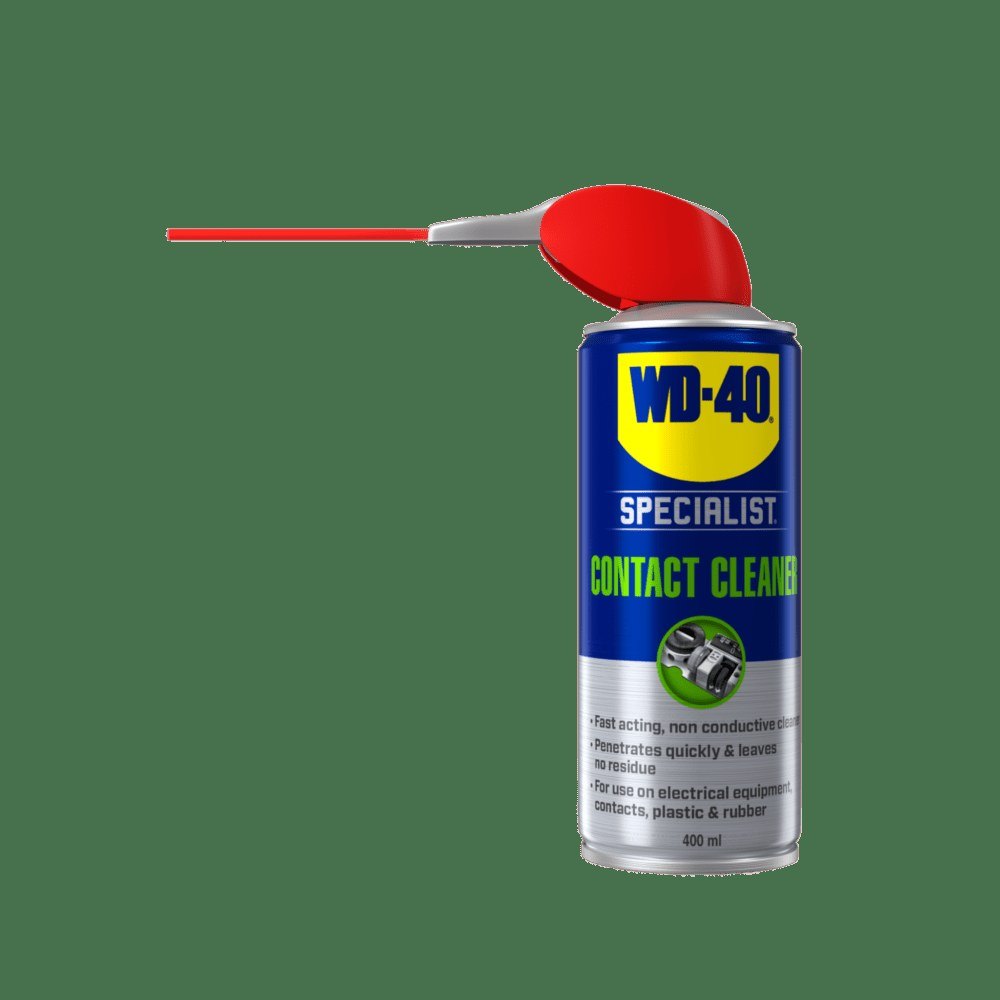
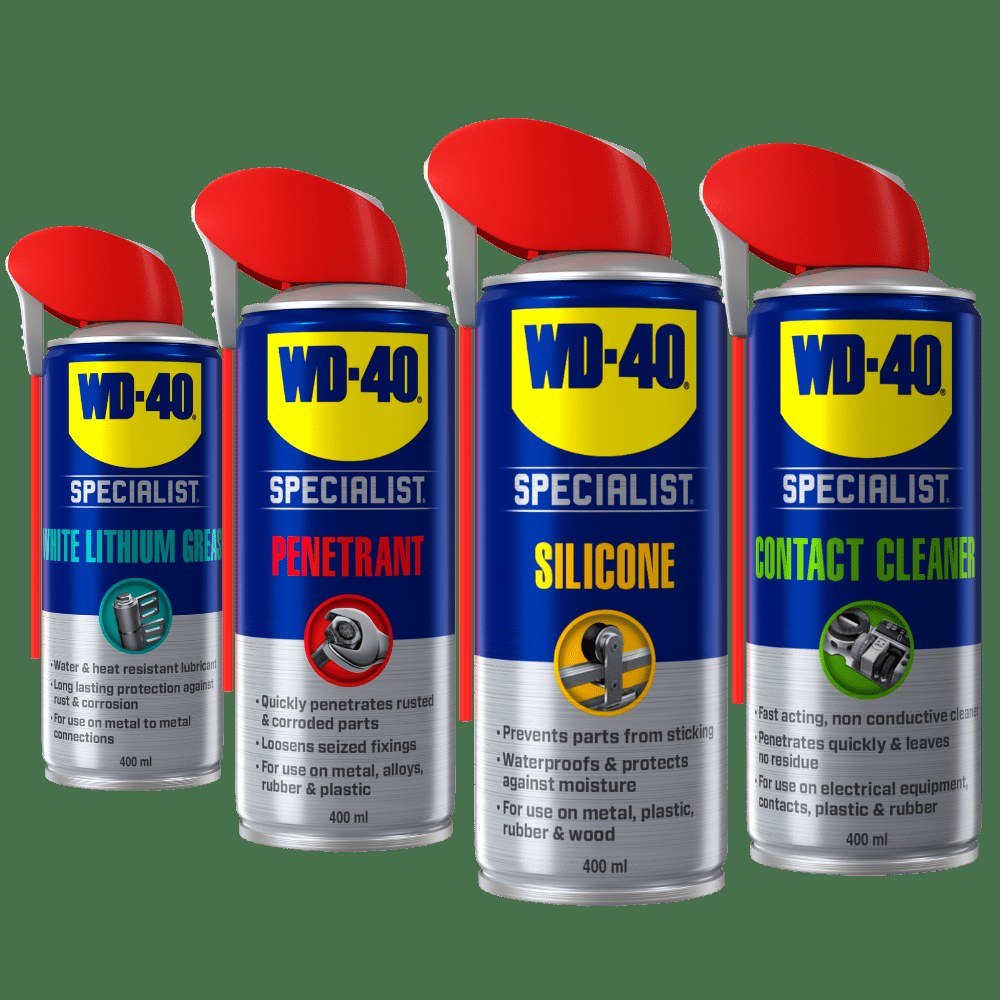
With the circuit isolated, spray all the contacts with WD-40 Specialist Contact Cleaner. It dissolves dirt, displaces moisture, evaporates quickly and leaves no residue. Wipe off any excess with a dry cloth.
Step 3
Blow out debris with compressed air
If you see crumbs, cobwebs or building dust inside once the cover is off, blow them out first. WD-40 Specialist Air Duster or any can of compressed air does the job.
Use short bursts into the holes and gaps of the mechanism, and only then treat the contacts with contact cleaner.
Step 4
Remove paint from the cover
Paint splashes after decorating are best removed straight away, before they dry. If you notice them later, remove the cover with the power off.
Scrub the paint off with a soft brush in warm soapy water. For white covers, baking soda works well as a gentle abrasive. Dry the cover thoroughly before refitting.
Step 5
Reassemble and test
Make sure everything is dry, refit the cover and tighten the central screw. Switch the breaker back on and check the socket with a tester or an appliance.
If the socket is loose in the wall, the contacts are darkened or melted, or plugs feel slack, stop cleaning and replace the socket.
Tip: Before painting walls, mask the sockets with decorator's tape or remove the covers: it saves half an hour of cleaning and keeps white plastic looking new.
What next
Twice a year, especially in the kitchen and bathroom, treat socket contacts with WD-40 Specialist Contact Cleaner with the power off, and dust the covers during your regular cleaning. Prevention is always cheaper than rewiring.
These uses come from the experience of WD-40 users in many countries. Always follow the instructions and warnings on the product label.
More guides in «How to use».