Hair, soap, sand brought home from the beach or small objects gradually narrow the drain until the water in the bath stops draining. In most cases you can clear the blockage yourself in half an hour, without calling a plumber.
Work from the simplest method to the most involved: chemicals or baking soda first, then plunger pressure, then removing the trap and using a drain snake. We also explain how to undo seized trap nuts and how to make sure they come off easily next time.
What you will need
Important: Never mix different drain chemicals and do not use a plunger straight after a chemical cleaner: splashes can reach your eyes. Wear gloves and ventilate the bathroom.
Step 1
Try a chemical clean first
Chemicals work when the plug is made of hair, soap and grease, but they will not shift an object stuck in the pipe. Wait until the water has drained away, put on gloves and open the door or switch on the extractor fan.
Pour the amount of cleaner stated on the pack into the drain, leave it for the recommended time and flush with a few litres of hot water. A gentler option: about 200 g of baking soda with hot water, left for a few hours before running the tap.
Step 2
Use a plunger to push the blockage
If the water still stands, use pressure. Seal the overflow tightly or the pressure will escape through it: a rubber glove stretched over the opening and taped down works well.
Run 8-10 cm of water into the bath so the plunger cup is submerged, press it over the drain and make 10-15 sharp up-and-down strokes. Pull the plunger away sharply and check whether the water drains.
Step 3
Remove the trap
Sand and small objects often settle in the trap itself. Open the access panel or remove the bath panel, lay down a cloth and place a bowl underneath.
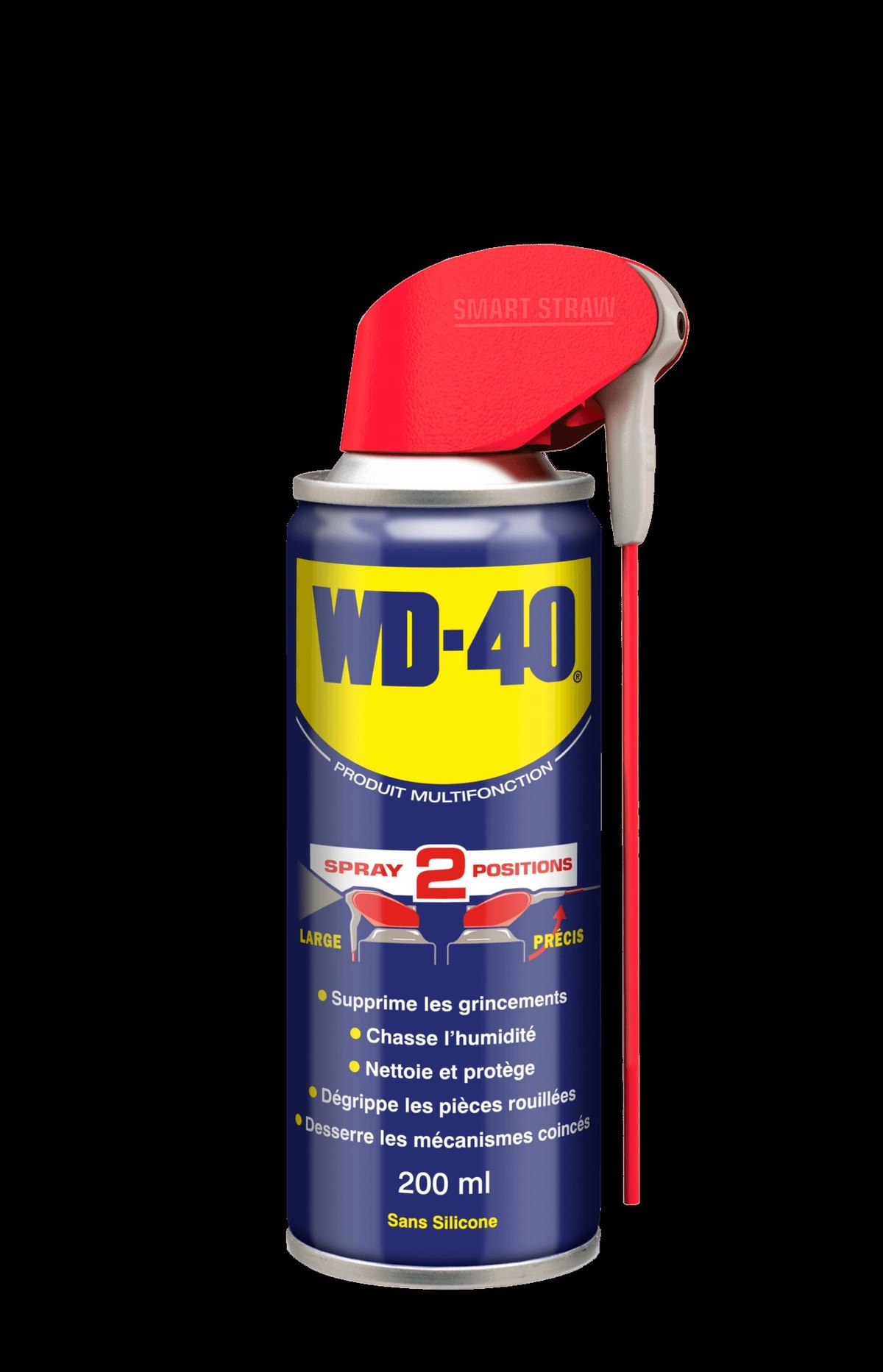
Undo the trap nuts with pliers. If a plastic or metal nut will not move, spray WD-40 Multi-Use onto the thread and wait a few minutes. For an old rusty metal trap, WD-40 Specialist Penetrant is the better choice. Do not squeeze plastic too hard with the pliers or it may crack.
Remove the debris, rinse the trap with warm water and check the seals.
Step 4
Clear the pipe with a drain snake
If the blockage is beyond the trap, feed the snake into the pipe with the trap removed until you feel resistance. Turn the handle while pushing the cable forward. When it moves more freely, the blockage has given way.
Pull the snake out, wipe off the dirt straight away and give it a light coat of WD-40 Multi-Use so the coil does not rust in storage.
Step 5
Refit the trap and test the drain
Before refitting, apply a thin layer of WD-40 Specialist Silicone to the thread. It is safe on rubber and plastic, helps the seals seat evenly and stops the nuts seizing next time.
Hand-tighten the nuts with a little extra turn, remove the glove from the overflow and fill the bath completely. Check for drips under the trap.
Tip: Fit a hair catcher over the drain and pour boiling water down the pipe once a month. It is the easiest prevention, especially if sand from the beach or the garden gets rinsed off in the bath.
What next
Clean the drain as a precaution every few months and take the trap apart once a year. With WD-40 Specialist Silicone on the thread the job takes only a few minutes. For other household jobs, keep WD-40 Multi-Use to hand.
These uses come from the experience of WD-40 users in many countries. Always follow the instructions and warnings on the product label.
More guides in «How to use».