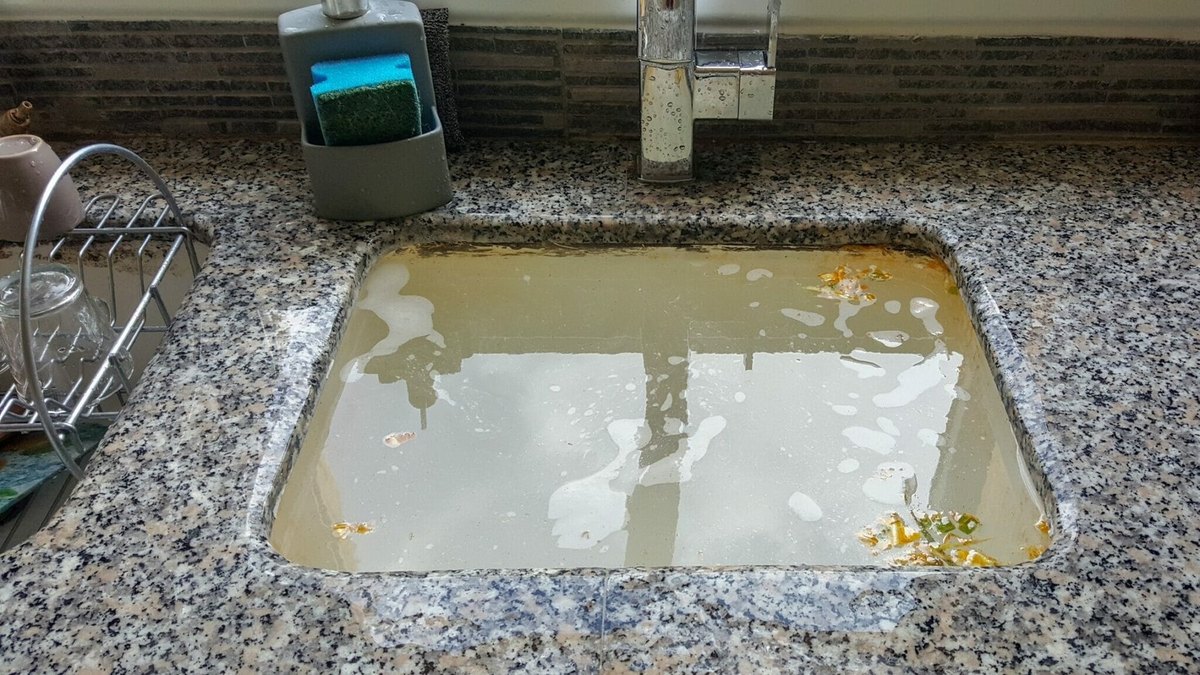
Sooner or later every home gets a blocked sink. The narrow pipes under the kitchen sink, basin and shower suffer most: grease, food scraps, hair and soap gradually build up on the walls, and the water drains more and more slowly.
Start with the simplest method and only move on if it does not work. Most blockages clear with a plunger or a drain snake in a few minutes.
What you will need
Important: Wear rubber gloves, and safety glasses when using a chemical drain unblocker. Never mix different drain products, and do not use a plunger straight after chemicals: the solution can splash into your face.
Step 1
Try hot water and drain unblocker
A light blockage often dissolves with a liquid drain unblocker. Pour it into the drain as directed, leave it for the stated time and flush well with hot water.
As prevention, do this at least once a year, and more often in the kitchen: grease from the washing-up gradually narrows the pipe.
Step 2
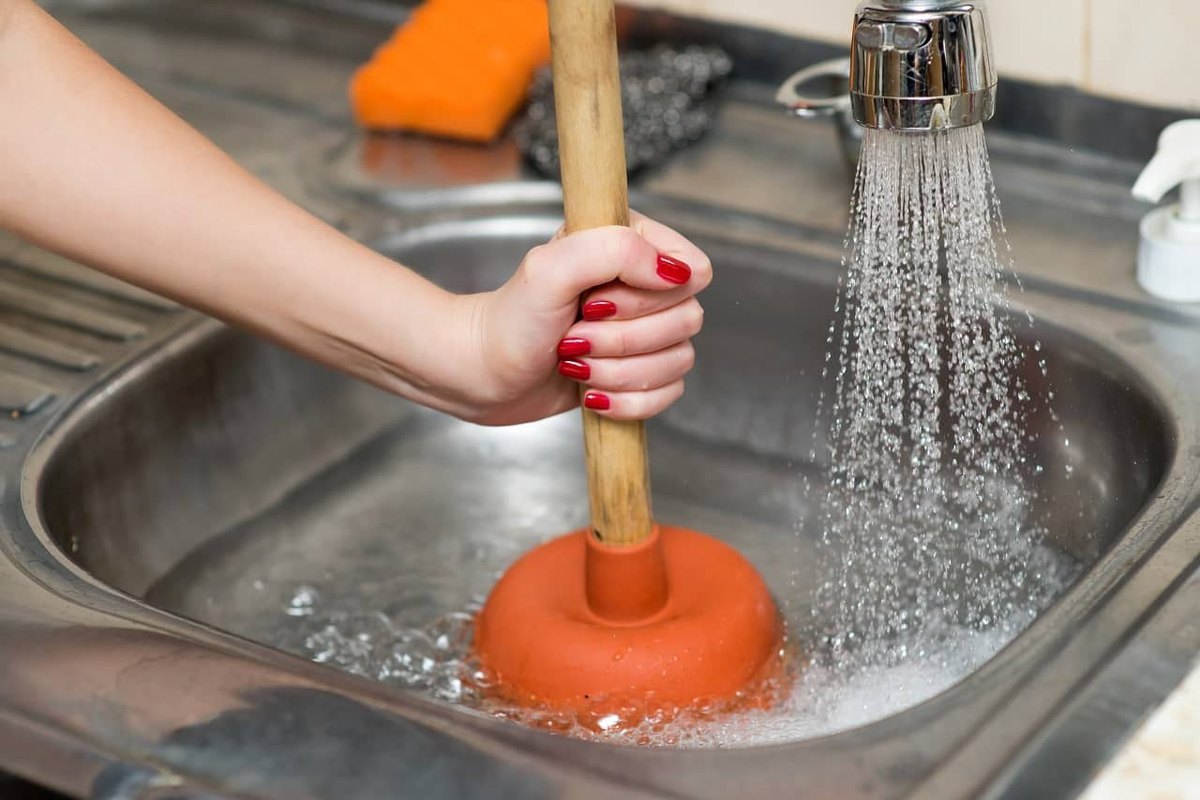
Use a plunger
Block the sink overflow with a damp cloth, otherwise the pressure escapes through it. Run a few centimetres of water so the plunger is submerged, place it squarely over the drain and give several sharp pumps up and down.
The pressure change shifts the blockage and the water starts to flow. On a double sink, plug the drain of the second bowl.
Step 3
Use a drain snake
If the plunger does not help, feed the snake into the drain as far as it will go and turn the handle to break up and hook the blockage. For a deep blockage, it helps to fit the snake into a drill on its slowest speed.
The snake often cannot pass through the trap because its head gets caught in the bend. If so, move on to the next step.
Step 4
Remove the trap and clear the pipe
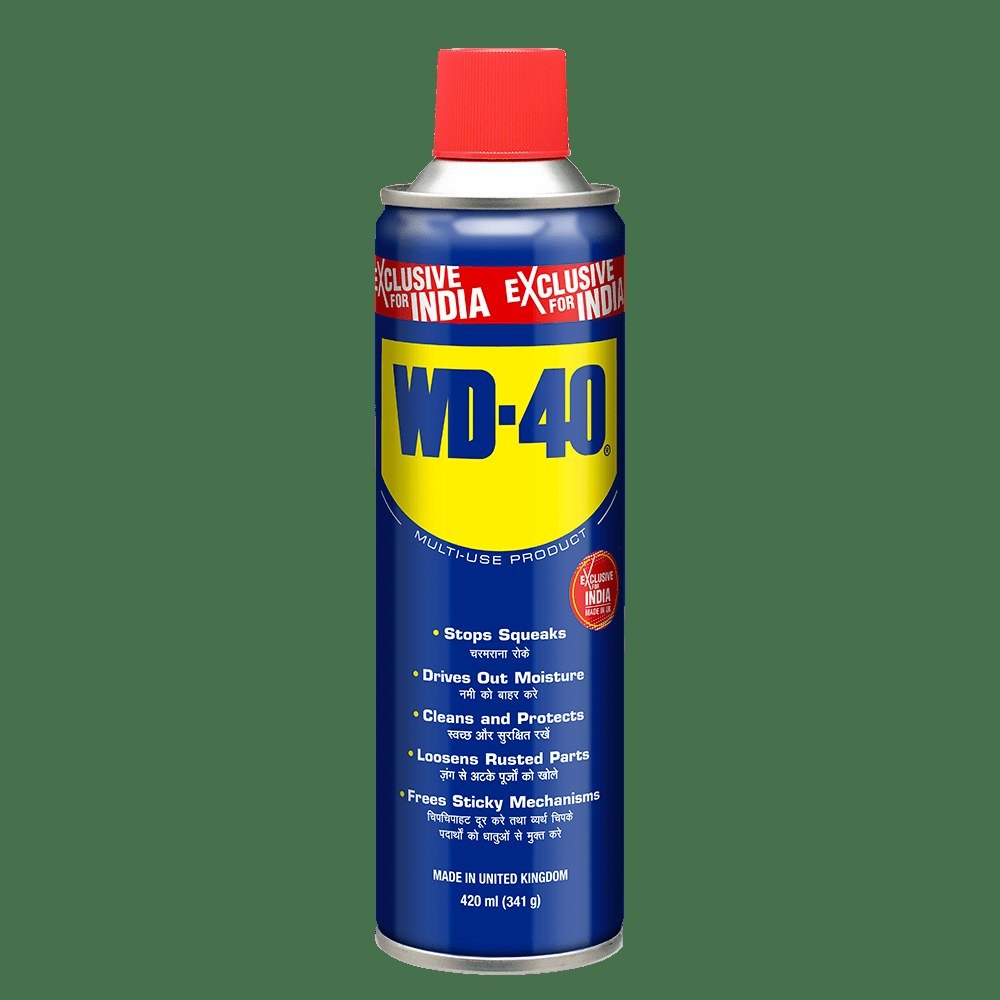
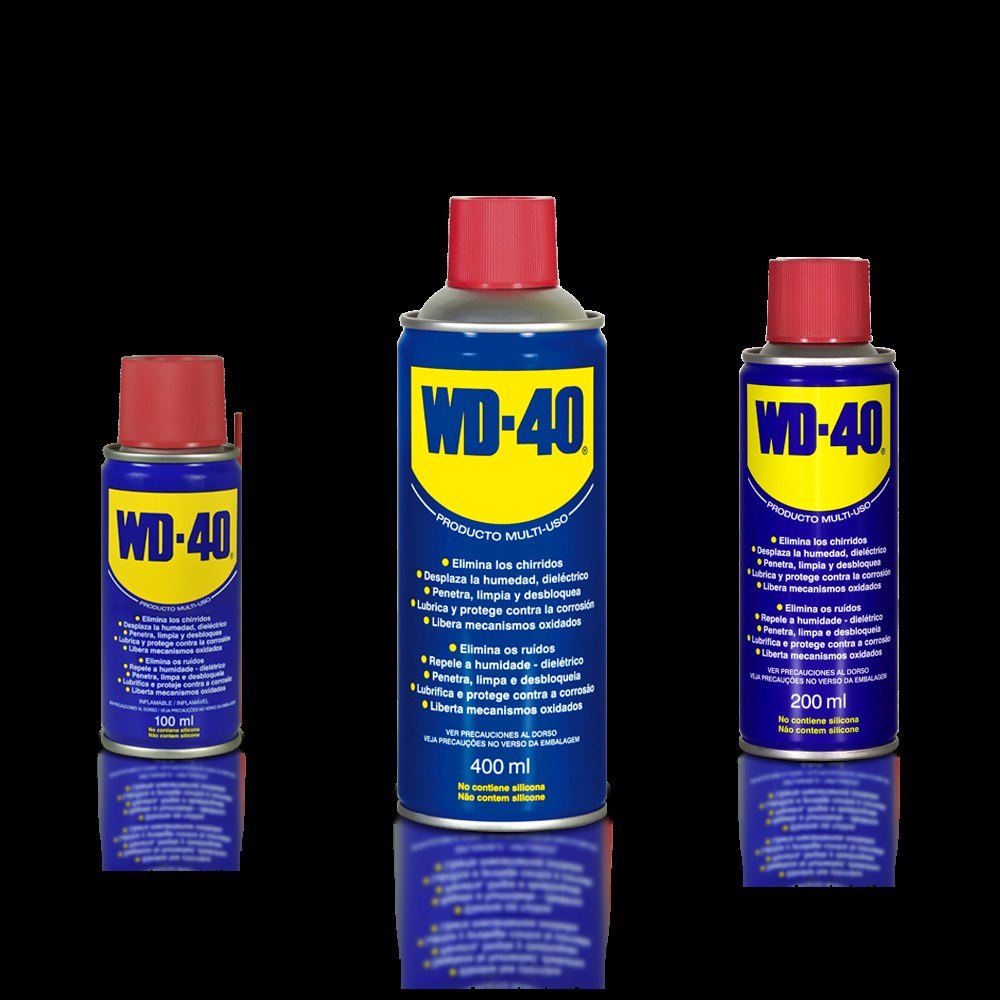
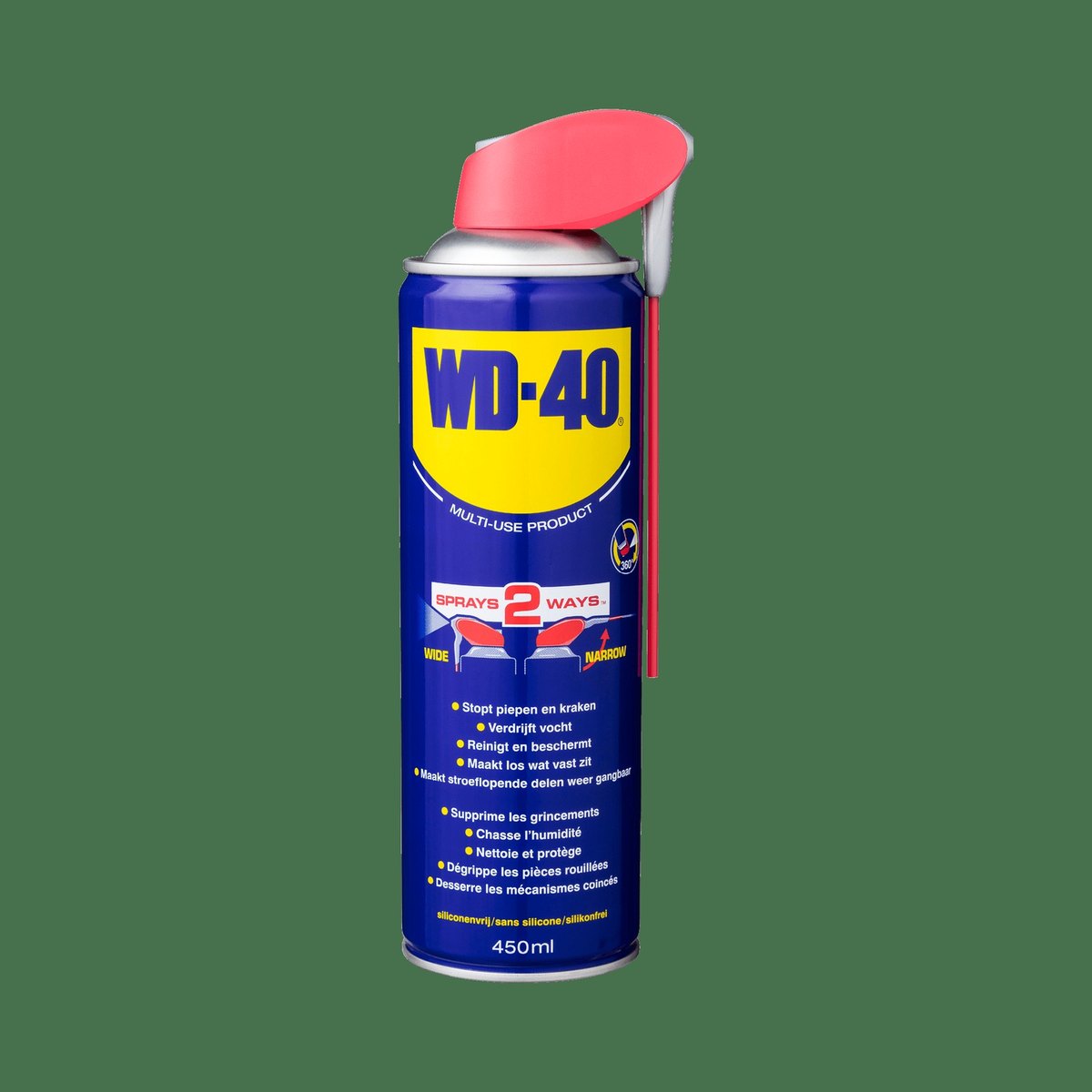
Place a bowl under the trap. The nuts sometimes come undone by hand, but usually you need a wrench. If a nut is stuck with limescale or corrosion, spray the joint with WD-40 Multi-Use or WD-40 Specialist Penetrant, wait a few minutes and turn it without jerking.
Clean debris and grease out of the trap. If the blockage is further down, feed the snake straight into the waste pipe and add drain unblocker if needed.
Step 5
Reassemble the trap
Check that the washers are intact and refit the trap. Before tightening, apply a little WD-40 Specialist Silicone to the threads: the nuts will seat evenly and come undone easily next time. Run the water and check the joints for drips.
Step 6
Last resort: an air blaster
If nothing else has worked, try a hand-pumped drain air blaster. Build up the pressure, seal the overflow firmly, put the nozzle over the drain and release the blast. The shock usually shifts even a stubborn blockage; repeat a few times if needed. If that fails too, the blockage is deep in the main stack and it is time to call a plumber.
Tip: Fit a strainer over the plughole and never pour frying fat down the sink: let it set and put it in the bin. Once a week, pour boiling water down the drain, especially in the kitchen.
What next
Most blockages build up slowly, so a quick plunge and hot water every few weeks will save you an emergency repair. If the trap is hard to undo, see our guide on how to free a stuck sink trap.
These uses come from the experience of WD-40 users in many countries. Always follow the instructions and warnings on the product label.
More guides in «How to use».