Some equipment works at its limits: machine tools, conveyors, presses, construction and farm machinery. Their components take high pressure, shocks and vibration, and an ordinary lubricant is squeezed out of the gap or washed away within days. The result is familiar: metal-on-metal contact, wear, heat and downtime.
A heavy-duty grease is made for exactly these conditions and keeps its properties where ordinary products stop working. Below is when you really need it, what it does and how to apply it properly.
What you will need
Important: Only service equipment that is stopped, isolated and locked out, with the load taken off the component. Do not overfill bearings with grease: the excess raises temperature and can push out the seals. Follow the equipment manufacturer's requirements for grease type and intervals.
Step 1
Decide whether you need a heavy-duty grease
It belongs where an ordinary lubricant cannot cope: bearings under high mechanical load (machine tools, conveyors, presses), pivots and pins on construction machinery, and slides, chains and gears running at low or medium speed under high pressure.
Another sign is strong vibration or wide temperature swings, for example machinery that stands in frost all winter and works in the sun all summer.
Step 2
Understand what it does
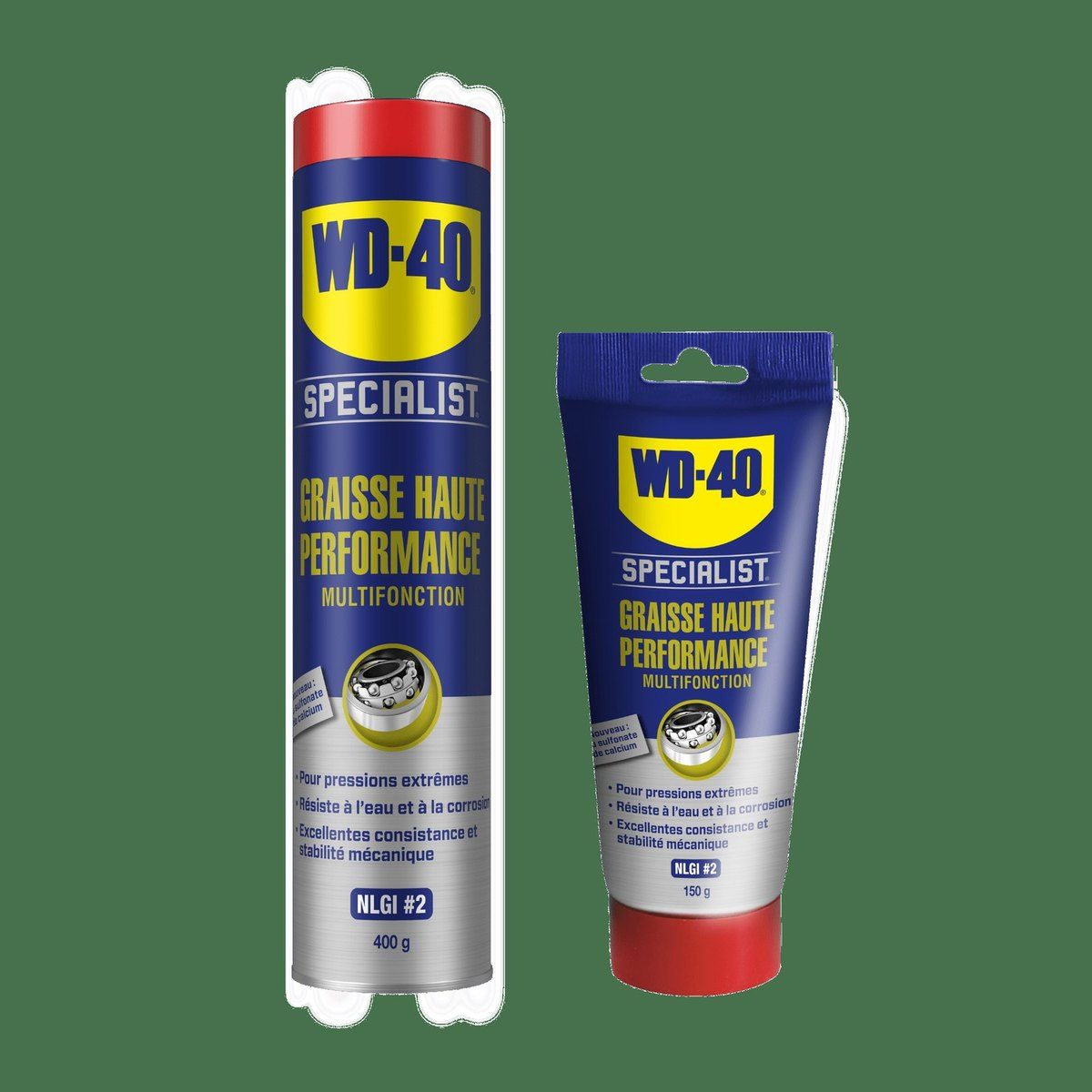
A thick grease for loaded components keeps a separating film between the parts even under extreme pressure, so metal does not touch metal. Its anti-wear properties reduce friction and surface damage.
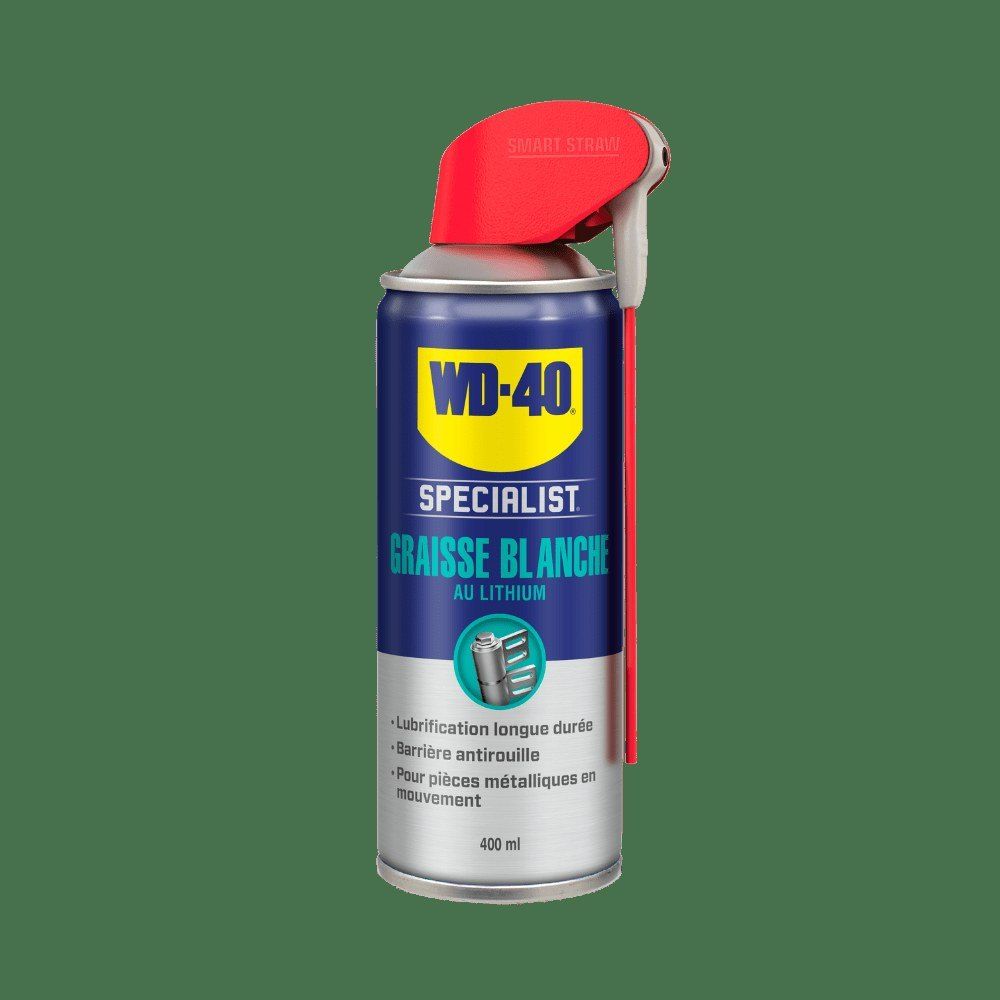
It stays in place despite moisture, splashes and dust, and protects against rust and corrosion. WD-40 Specialist White Lithium Grease is water-resistant, and its thick formula neither runs nor drips, which helps extend the life of gears and pivots.
Step 3
Prepare the surface
Remove old grease, dirt and any corrosion. Use WD-40 Specialist Degreaser on large components and WD-40 Multi-Use Product on small parts with traces of rust. Then wipe and dry the surface.
Old hardened grease with grit trapped inside speeds up wear, so the new grease must go onto clean metal.
Step 4
Apply grease to the friction areas
Apply an even coat directly onto the friction surfaces. The WD-40 Specialist White Lithium Grease aerosol is handy for slides, pivots and exposed gears: with the straw up it gives a precise jet into the gap, with the straw down a wide pattern.
Apply grease from a tube with a brush or spatula, and from a cartridge with a grease gun through the nipples. Do not overfill bearings: fill them within the limits the manufacturer recommends.
Step 5
Work the component and monitor it
Rotate or move the component several times to spread the grease, and wipe off any excess pushed out. It would only collect dust.
For components working outdoors in rain and dust, consider WD-40 Specialist Spray Grease (on request): its gel texture does not run even on vertical surfaces. Inspect components on schedule and renew the grease according to how hard they work.
Tip: Mark every lubrication point with paint or a tag and add it to your maintenance checklist. That way no bearing or pivot is missed, even when different people carry out the servicing.
What next
The interval depends on load and environment: service machinery working in dust and rain more often, and always before and after winter. For everyday servicing of loaded components in the workshop, keep WD-40 Specialist White Lithium Grease to hand.
These uses come from the experience of WD-40 users in many countries. Always follow the instructions and warnings on the product label.
More guides in «How to use».