Keen cyclists ride whatever the weather, and sometimes a downpour catches you halfway. Wet rides are hard on the drivetrain, and the front derailleur is one of its most exposed parts: it sits low, right in the spray from the front wheel, and takes a constant dose of water, mud and fine abrasive grit.
The right care before and after a rainy ride reduces wear, stops the pivots from seizing and extends the life of the whole drivetrain.
What you will need
Important: Do not wash the bike with a pressure washer: it forces water into the bottom bracket, hubs and derailleur pivots. Keep lubricants away from brake rotors and pads.
Step 1
Prepare the drivetrain before the ride
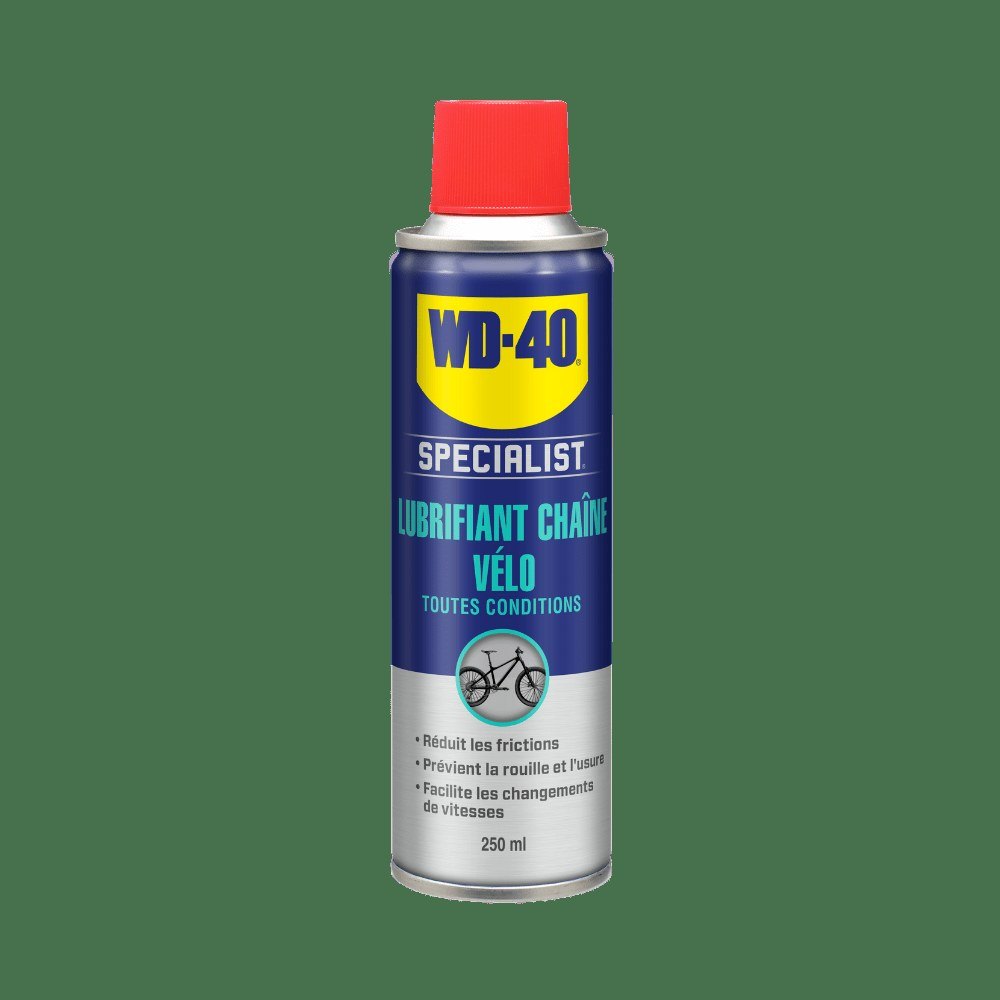
Before you set off, make sure the derailleur shifts cleanly and the drivetrain is clean: a dirty mechanism copes badly with a wet ride. Apply WD-40 Bike Chain Lube to the chain and a drop to each derailleur pivot. It forms a protective film that limits water ingress and reduces how much dirt sticks.
Step 2
Rinse off water and dirt straight after the ride
Do not leave it until later: rinse the frame and drivetrain with clean water from a low-pressure hose or a bottle to remove mud, sand and road salt.
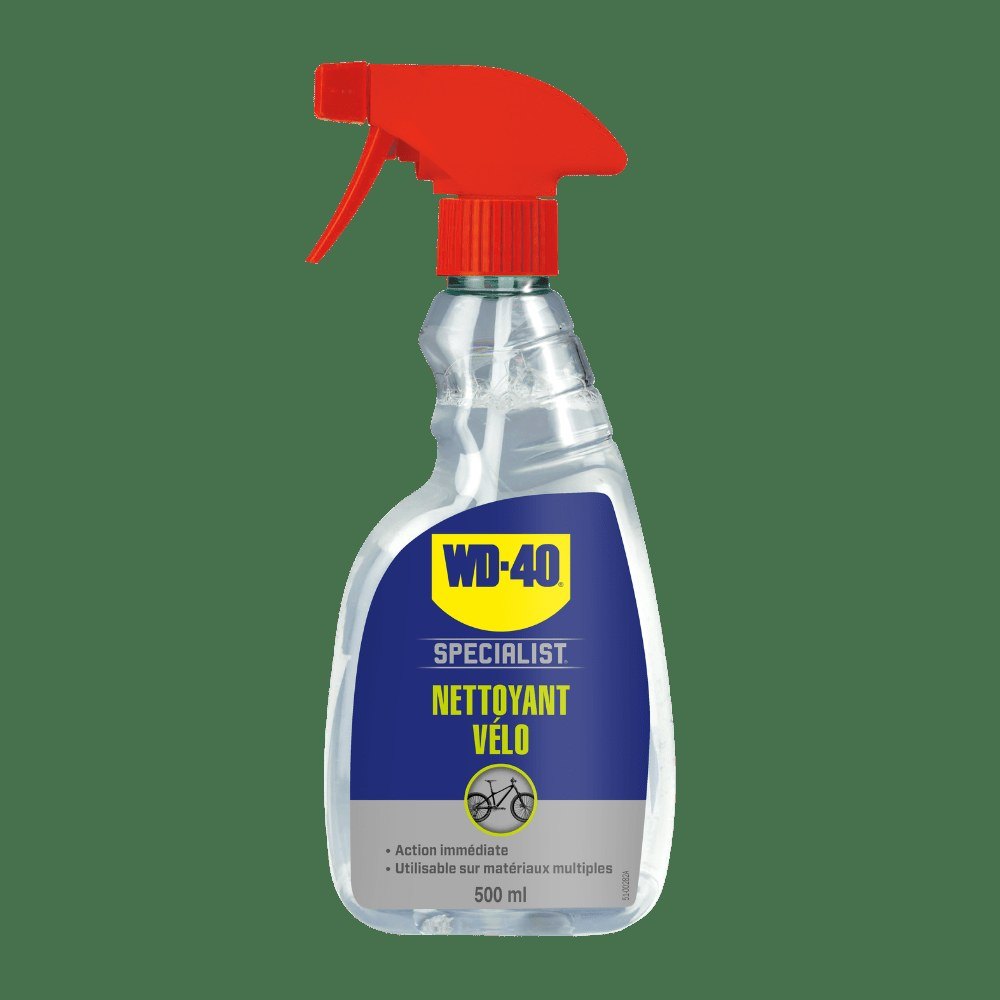
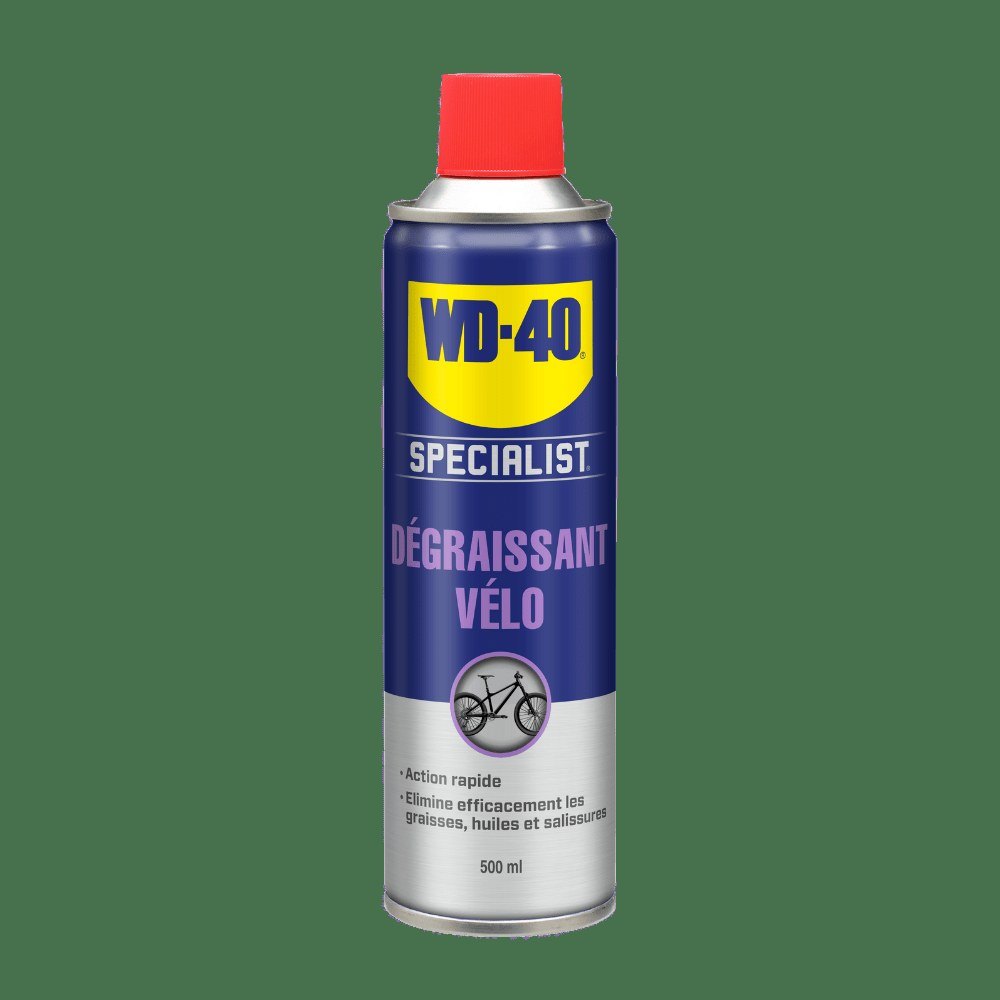
Then work over the derailleur cage, pivots and spring with a soft brush. If oily deposits or stubborn dirt remain, apply WD-40 Bike Degreaser locally, wait a few seconds and wipe with a dry cloth.
Step 3
Dry the mechanism
Wipe the derailleur and chain with microfibre. To drive water out of the pivots and from under the cable clamp, apply a little WD-40 Multi-Use and shift through the gears a few times while pedalling. Wipe off the excess and let it dry.
Step 4
Relubricate
Once the derailleur is completely dry, lubricate the chain and pivots ready for the next ride. If the weather stays damp, choose WD-40 Bike Wet Chain Lube, which resists wash-off better. If dry weather is forecast, go back to WD-40 Bike Chain Lube, which is cleaner and less sticky. This limits corrosion and keeps shifting smooth.
Step 5
Check the derailleur works properly
Before putting the bike away, turn the pedals on a stand and shift across all chainrings a few times. A faint clicking or hesitant shift usually means the pivot is still damp, dirty or under-lubricated. Repeat drying and lubrication, and if that does not help, check the cable tension.
Tip: After a wet ride, store the bike somewhere dry and warm rather than on a balcony: in damp air the derailleur pivots can seize within days.
What next
Follow this two-stage routine after every ride in the rain or on wet, salted roads. A WD-40 Smart Straw with its precision straw makes it easy to reach the pivots.
These uses come from the experience of WD-40 users in many countries. Always follow the instructions and warnings on the product label.
More guides in «How to use».