A four-stroke mower or garden tractor engine lasts only as long as its oil stays healthy. Unlike a car, the change interval is counted in running hours rather than miles: usually every 50 hours. Otherwise change it at least every second season, ideally in autumn.
Dust from dry soil, high humidity and summer heat all age the oil faster, so check the level and condition regularly. The job is simple and needs no special tools.
What you will need
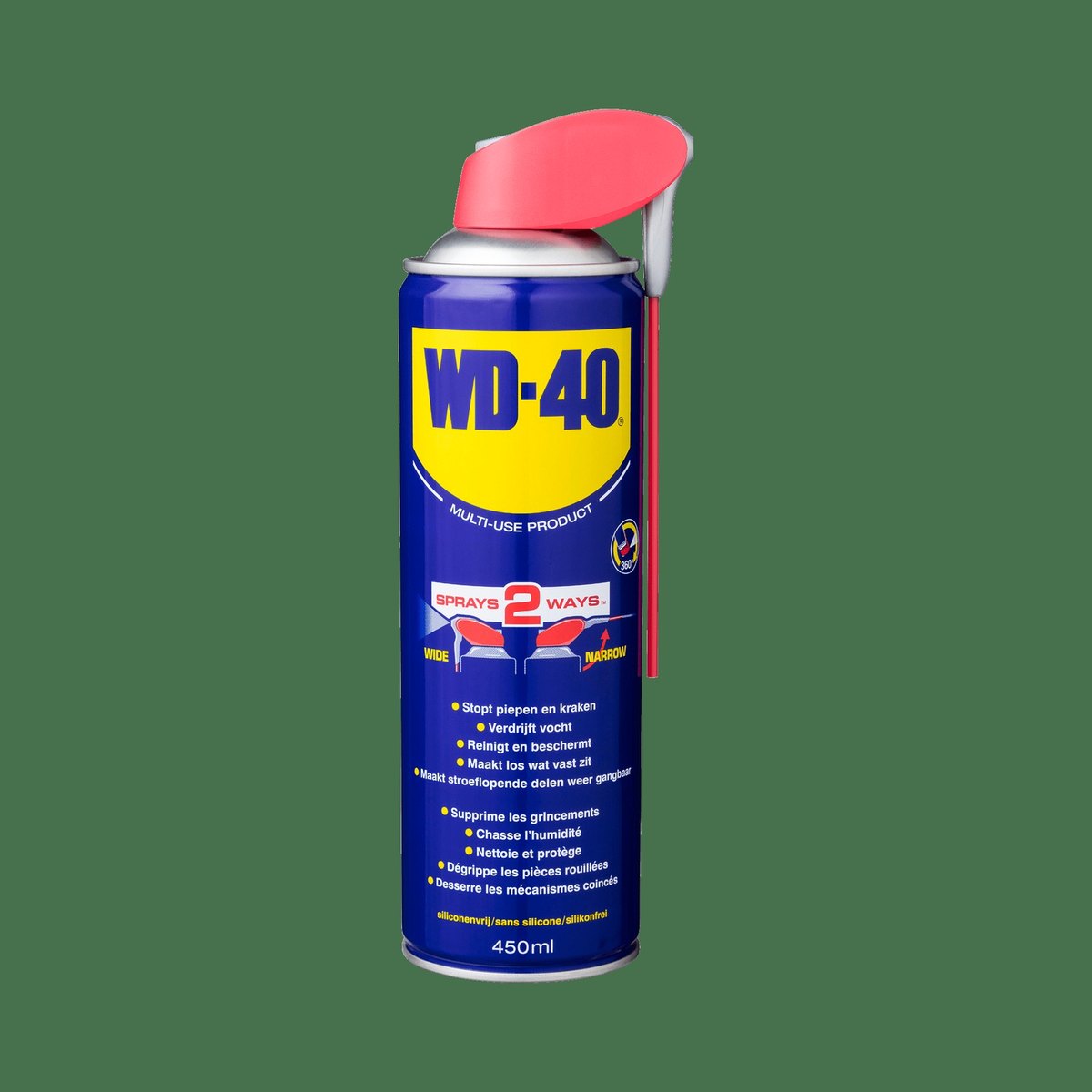
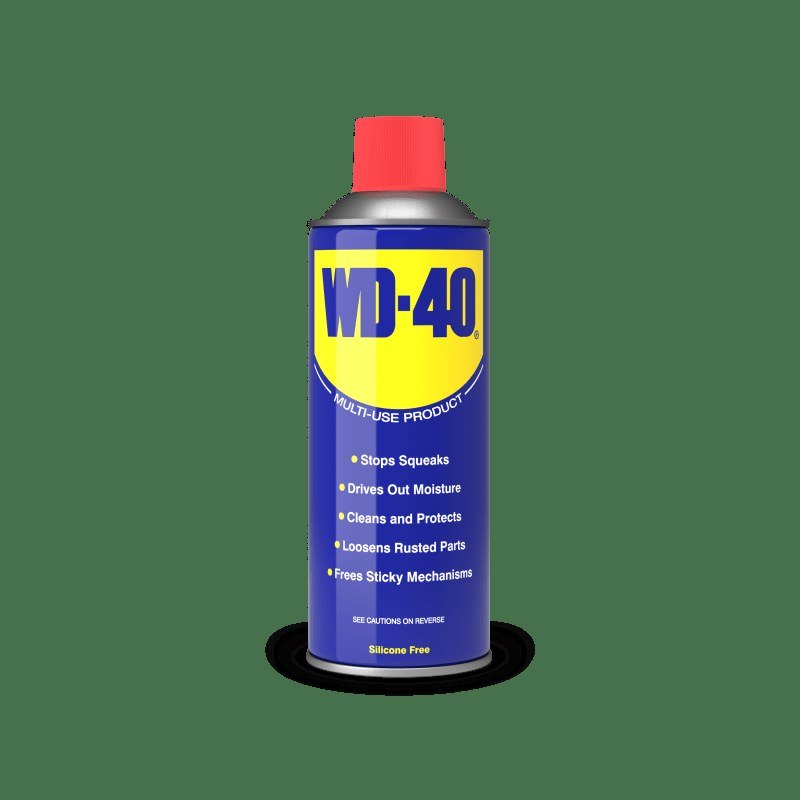
- WD-40 Multi-Use Product for cleaning the engine
- paper towels or a rag
- fresh engine oil as specified by the manufacturer
- new oil filter (if your model has one)
- drain pan for used oil, funnel
- chain or strap filter wrench
Important: Work with a cold engine on level ground and pull the cap off the spark plug. Never pour used oil onto the ground or down a drain: take it to a collection point such as a garage or recycling centre.
Step 1
Clean the engine and check the oil
Wash and dry the engine, paying attention to the area around the filler cap and dipstick. Remove remaining dirt and grass with WD-40 Multi-Use so nothing falls inside when you open the filler.
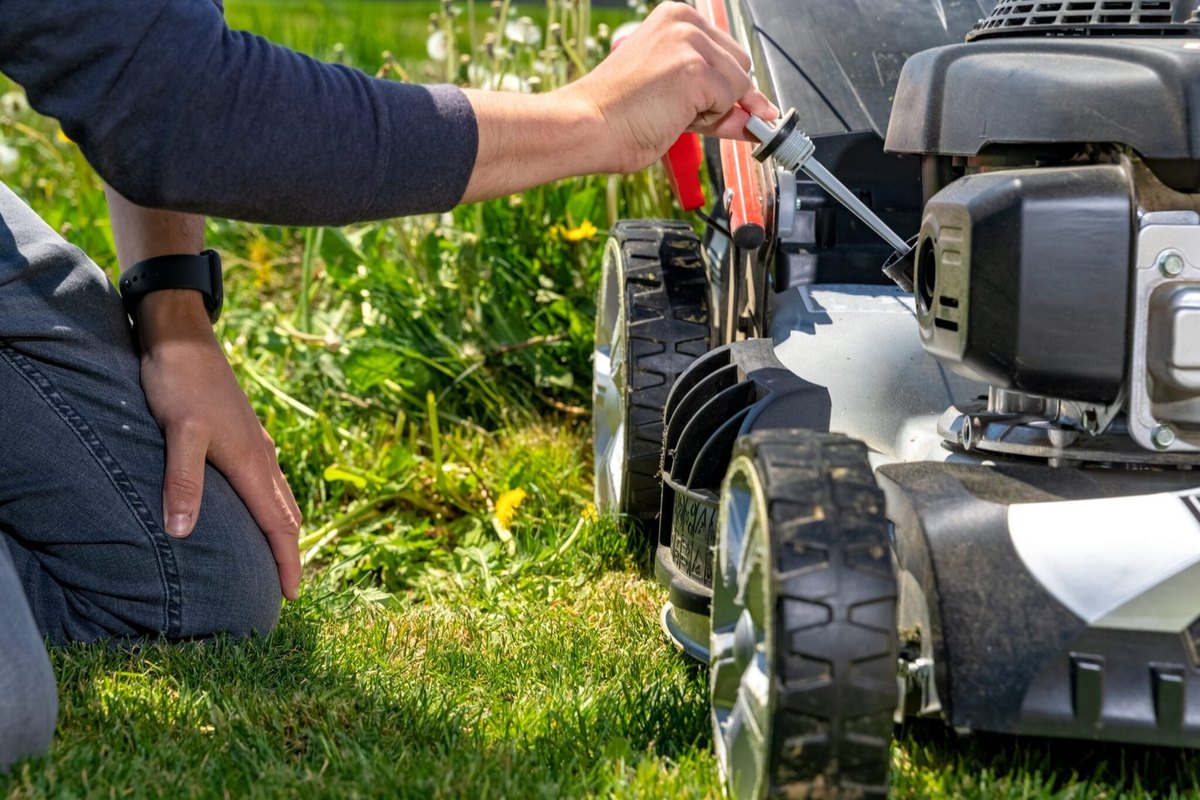
Pull out the dipstick, wipe it with paper, push it back in and pull it out again. The level should sit between MIN and MAX. Rub a drop between your fingers: light, runny oil is still fine, while dark oil as thick as paste needs changing.

Step 2
Top up if the oil is still good
Unscrew the cap and add oil of the type given in the mower manual through a small funnel. Pour slowly to avoid splashing the engine.
Wait a minute for the oil to settle in the sump, then check again with the dipstick. Never go above MAX: overfilling harms the engine as much as running low.
Step 3
Drain the old oil
Once the interval is reached, change all the oil. Most ride-ons have a drain plug at the bottom of the engine. Lift the bonnet, place a pan underneath, remove the plug and let the oil drain completely.
Alternatively, pump the oil out through the dipstick tube with a hand pump that looks like a large syringe. On small walk-behind mowers without a plug, drain through the filler by tilting the mower with the spark plug and air filter facing up.
Step 4
Replace the oil filter
Change the filter only after the oil has drained. Grip it with a chain or strap wrench, turn it about a quarter turn and unscrew it by hand.
Smear a thin film of fresh oil on the new filter's sealing ring, screw it on and nip it up with the wrench without excessive force.
Step 5
Fill with fresh oil
Refit the drain plug and pour in fresh oil through the funnel. Ride-ons typically take 1.4 to 2 litres; the manual gives the exact figure. Check the level with the dipstick.
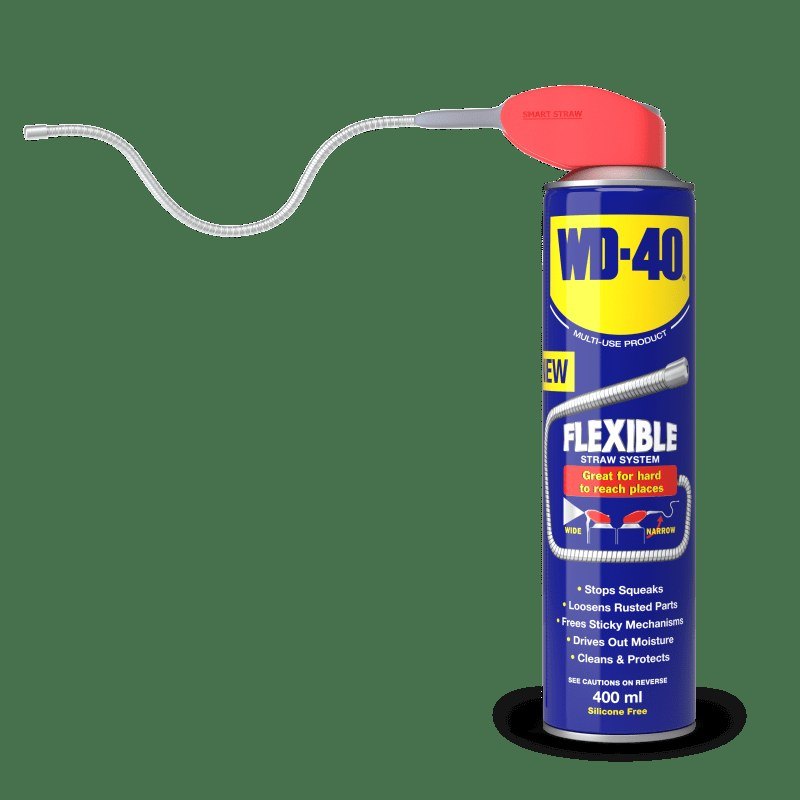
Wait a few minutes before starting so the oil reaches every part. Wipe up any spills and clean marks on the housing with WD-40 200 ml and a clean cloth.
Tip: Write the date and running hours of each change with a marker inside the bonnet or in a note on your phone.
What next
Check the level before every mow and do a full change every 50 hours or at least every second season. Clean oil protects the piston and bearings and helps the engine start easily in spring. After the change, give the cables and joints a quick spray of WD-40 Multi-Use.
These uses come from the experience of WD-40 users in many countries. Always follow the instructions and warnings on the product label.
More guides in «How to use».